Hesperidin-Rich Foods: The Citrus Flavonoid in USDA FDC Data (2026)
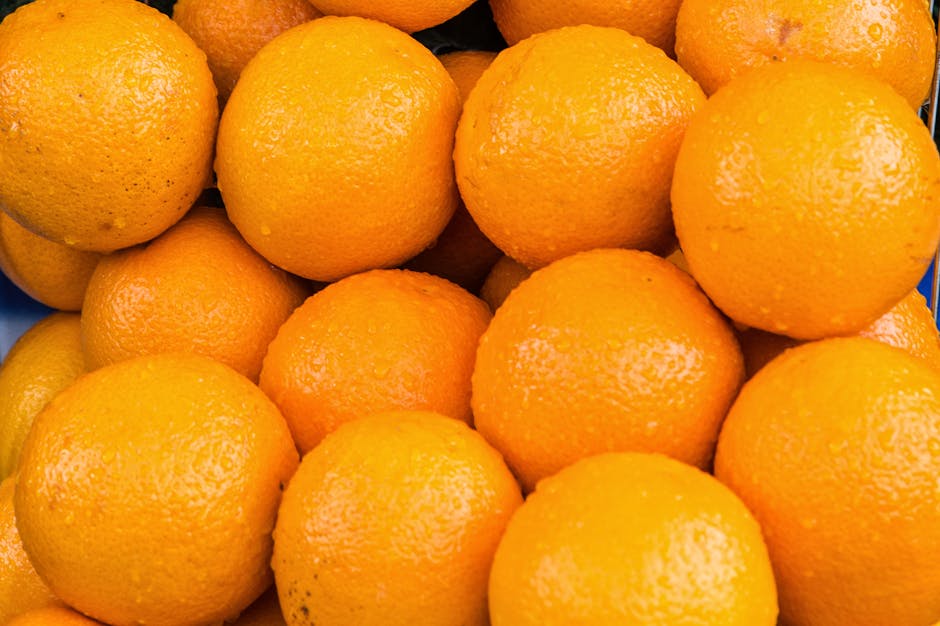
An engineer's look at USDA FoodData Central flavonoid data: which citrus foods are richest in hesperidin, why the peel and pulp matter, and how juicing changes the numbers.
Evidence-based health tools and expert articles for smarter, healthier living.
An engineer's look at USDA FoodData Central flavonoid data: which citrus foods are richest in hesperidin, why the peel and pulp matter, and how juicing changes the numbers.
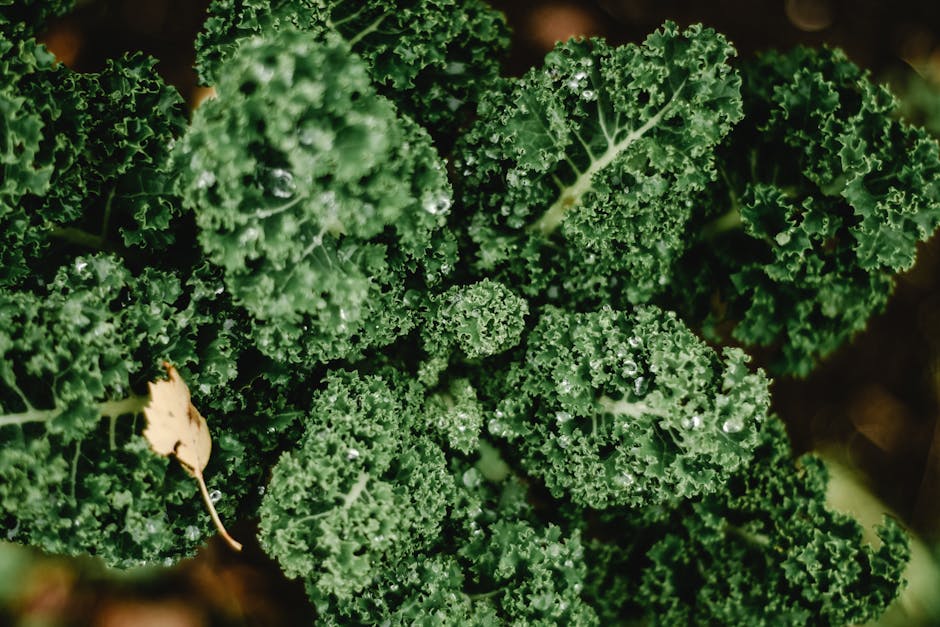
Indexing USDA FoodData Central flavonoid records for HealthSavvyGuide, one nutrient kept breaking my charts: kaempferol. Here's what the data actually shows about capers, kale, and leafy greens.
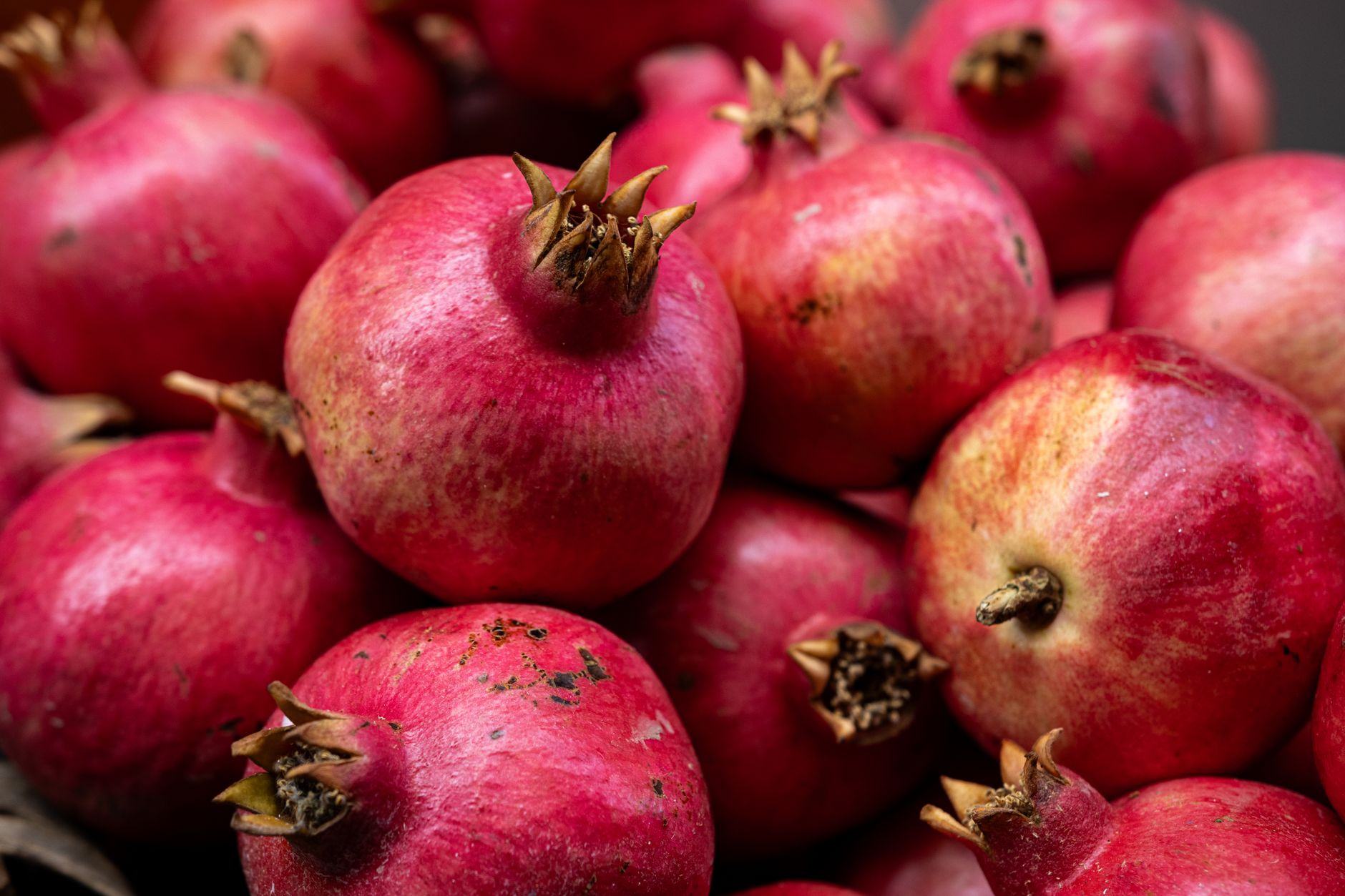
An engineer indexing USDA FoodData Central breaks down which foods carry the most ellagic acid and ellagitannins, why the numbers mislead, and what the NIH and urolithin research actually shows.
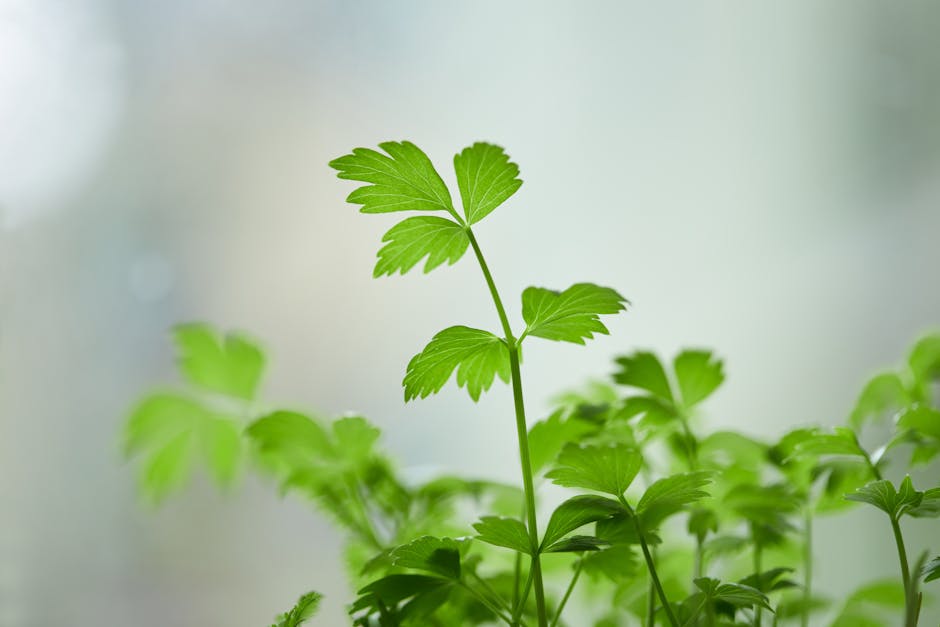
Apigenin shows up in parsley, chamomile, and celery — but not where you would expect in USDA data. An engineer-builder's notes on the flavonoid database, the dried-parsley headline number, the aglycone problem, and what the research really supports.
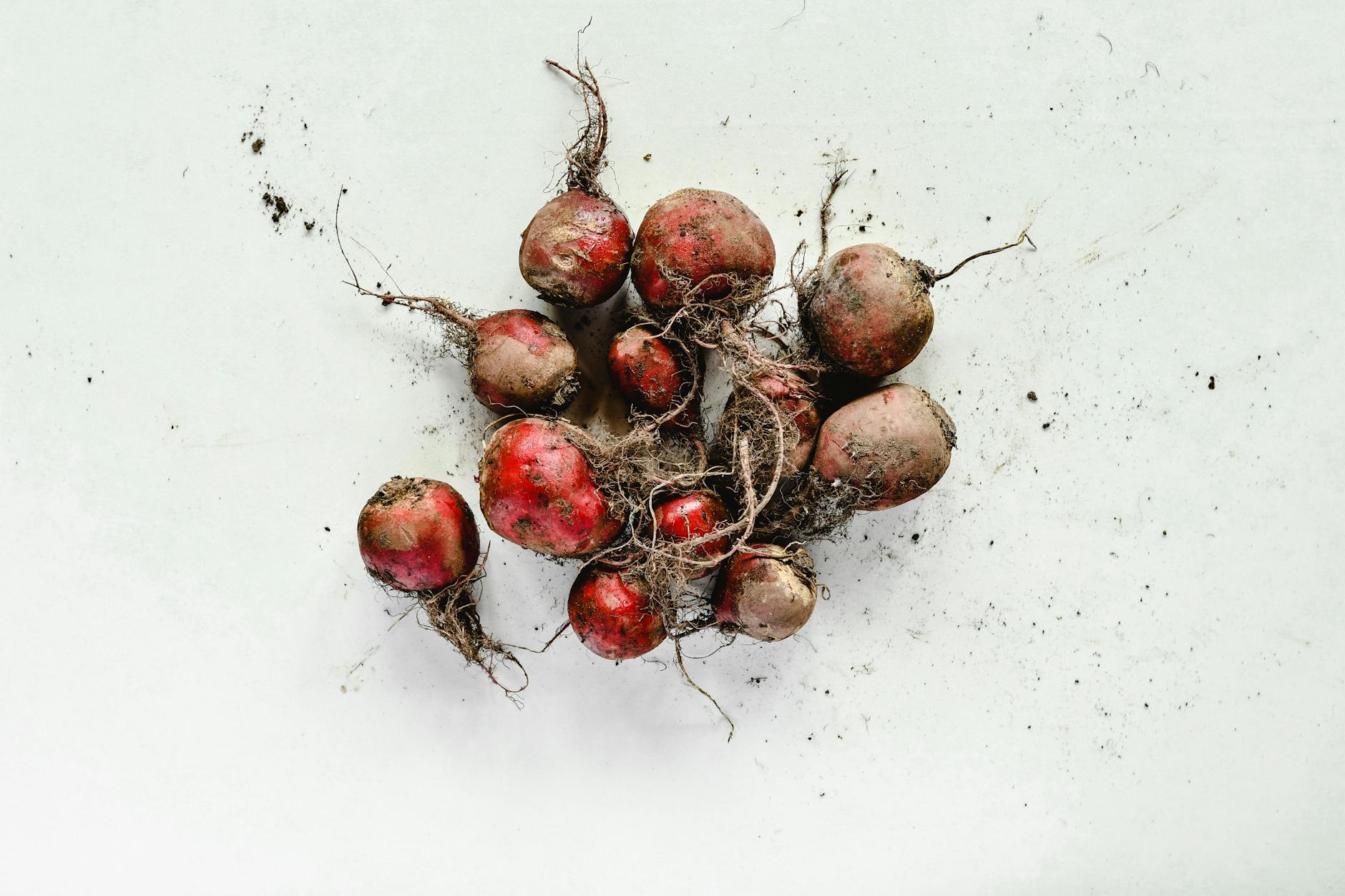
An engineer's look at betaine (trimethylglycine) using real USDA FoodData Central records, FDC IDs included, and why the famous wheat-bran value is missing from the main database.
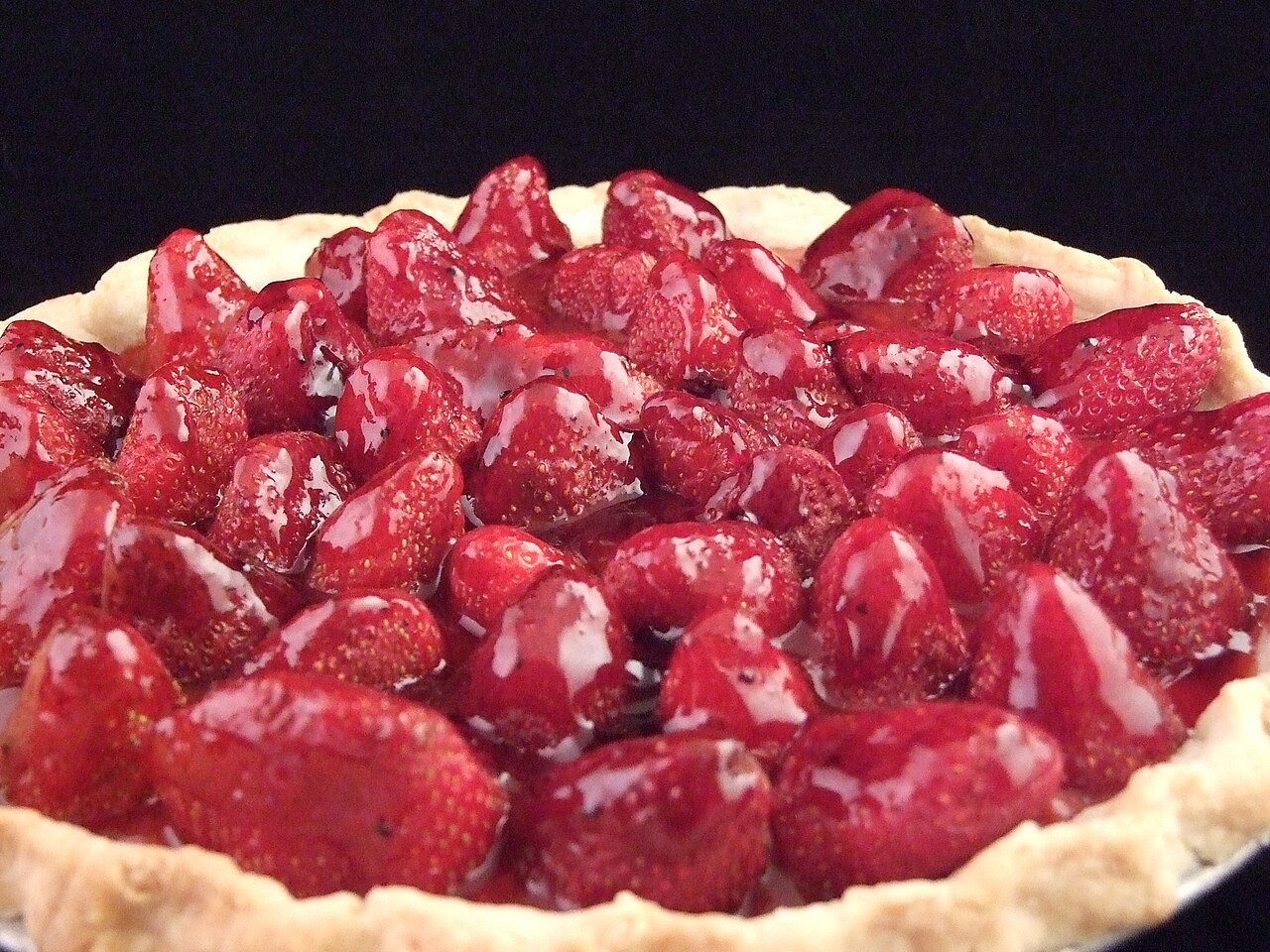
An engineer's look at fisetin in USDA data: why strawberries dominate, how the flavonoid database differs from FoodData Central's core panel, and what the senolytic research really claims.