I Ate a Fiber-First Breakfast for 21 Days and It Fixed the 10 AM Snack Spiral Better Than Any Wellness Hack I Have Tried
I Ate a Fiber-First Breakfast for 21 Days and It Fixed the 10 AM Snack Spiral Better Than Any Wellness Hack I Have Tried
I did not start this experiment because I wanted to become a breakfast evangelist. I started because I was tired of feeling strangely hungry two hours after eating what looked like a respectable breakfast.
Toast and coffee, cereal and fruit, yogurt and granola, none of it felt terrible in the moment. But by 10 AM I was thinking about snacks, then eating something random, then noticing my energy sagging before lunch.
For 21 days I changed one thing. Breakfast had to start with fiber. Not perfection, not detox language, not a magical superfood. Just a meal built around ingredients that reliably delivered fiber plus some protein. The result was not dramatic in an influencer way, but it was obvious in a real-life way: I stayed full longer, I stopped scavenging for office snacks, and my day felt more stable.
Important: this is educational content, not medical advice. If you have diabetes, significant digestive disease, kidney disease, food allergies, or symptoms like ongoing abdominal pain, blood in stool, or unexplained weight loss, talk to a clinician before making major diet changes.
What counted as fiber-first
My simple rule was that breakfast needed a clear fiber anchor. Usually that meant one of these:
- Oats plus chia seeds and berries
- Greek yogurt with raspberries, ground flax, and nuts
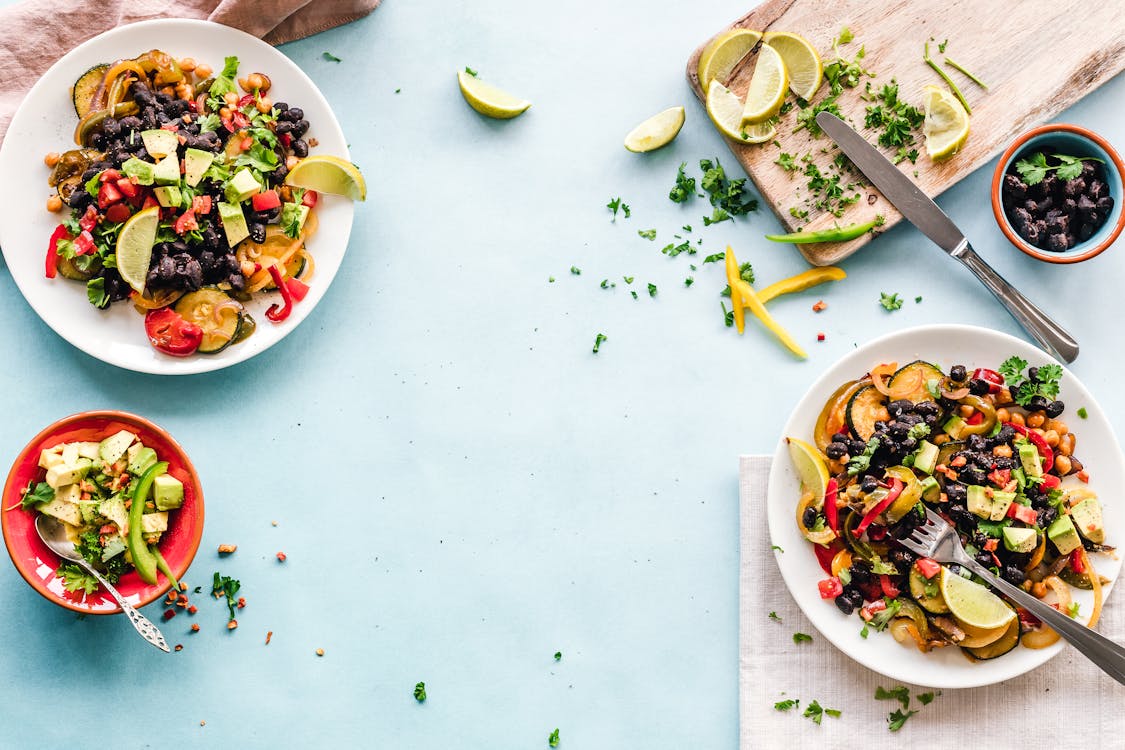
- Eggs with beans, avocado, and vegetables
- Whole-grain toast paired with fruit and a high-fiber side instead of jam-only breakfast
I was not chasing an exact number every morning, but most breakfasts landed well above my old routine.
What changed after 21 days
The biggest difference was satiety. I stopped thinking about food constantly during the late morning. The second change was steadier energy. I did not feel euphoric, I just felt less crashy. The third surprise was that healthier lunches became easier because I was no longer arriving at noon ready to inhale the nearest ultra-processed option.
This fits with what we saw in our review of daily protein myths. Better appetite control is usually about meal structure, not hero ingredients. And if you are also training regularly, our zone 2 cardio experiment shows how boring consistency often beats extreme routines.
Why fiber helps
Fiber can slow digestion, support fullness, and improve overall diet quality. Higher-fiber eating patterns are also associated with better cardiometabolic health outcomes. Many adults still fall short of recommended fiber intake, so breakfast is an easy place to close part of the gap.
The point is not that fiber alone solves everything. It works best when breakfast also includes enough protein, fluid, and a realistic portion size.
The easiest way to try this without overcomplicating it
- Pick one breakfast you already like.
- Add one clear fiber source, like berries, oats, chia, beans, or high-fiber whole grains.
- Pair it with protein.
- Repeat for a week before judging it.
Common mistakes
- Adding fiber too fast and then blaming fiber for the discomfort.
- Ignoring hydration.
- Choosing a breakfast that is technically high-fiber but not satisfying.
- Assuming packaged products with fiber claims are always a better option.
If morning stress is partly a financial thing, a one-month bill buffer account is one surprisingly simple way to lower that background anxiety so your breakfast routine actually has a chance to work.
Bottom line
A fiber-first breakfast is one of those annoyingly simple habits that works because it addresses the actual problem. I did not need a supplement stack or a metabolism reset. I needed a breakfast that kept me full long enough to think about something other than snacks.
Sources: USDA Dietary Guidelines, Academy of Nutrition and Dietetics resources on fiber, NIH and major academic reviews on dietary fiber and satiety.
Found this helpful?
Subscribe to our newsletter for more in-depth reviews and comparisons delivered to your inbox.