Catechins and EGCG in Foods: USDA Flavonoid Database Values for Green Tea, Cocoa, and Apples (2026)
Building HealthSavvyGuide on top of the USDA FoodData Central (FDC) API, I assumed every nutrient would live in a single, tidy endpoint. Catechins were where that assumption broke. The flavonoid family that includes EGCG — the molecule green tea marketing built a decade around — is not part of the standard nutrient response. It sits in a separate USDA dataset called the USDA Database for the Flavonoid Content of Selected Foods, currently at release 3.3. This article is what aggregating that dataset for 1,465+ foods on HealthSavvyGuide taught me about what is actually known about catechins and EGCG in real foods.
What catechins and EGCG actually are
Catechins are a subgroup of flavan-3-ols, themselves a subgroup of flavonoids — plant polyphenols that give many fruits, leaves, and seeds their astringent taste. The six catechins reported in USDA's flavonoid dataset are:
- (+)-Catechin
- (-)-Epicatechin (EC)
- (-)-Epigallocatechin (EGC)
- (-)-Epicatechin-3-gallate (ECG)
- (-)-Epigallocatechin-3-gallate (EGCG)
- (+)-Gallocatechin
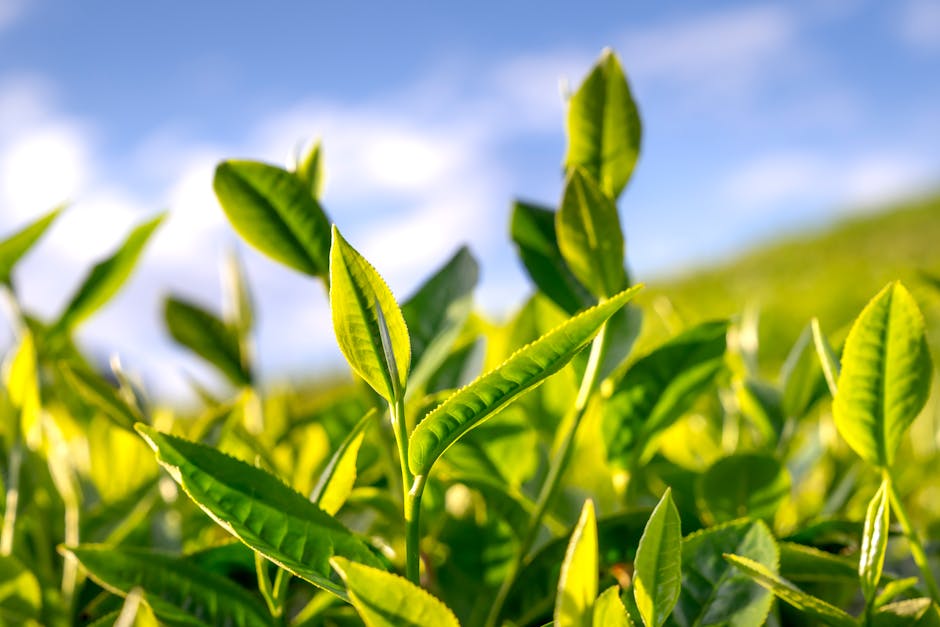
EGCG gets the spotlight because it is the most abundant catechin in green tea and the one most studied in laboratory research on oxidative stress and cellular signaling. The U.S. National Center for Complementary and Integrative Health (NCCIH) summarizes the human evidence for green tea as "mixed" across cardiovascular and metabolic outcomes, with most clinical effects modest and inconsistent (NCCIH, 2024). That is a useful baseline. The plant chemistry is well characterized; the human outcomes are less settled than supplement marketing suggests.
Where USDA stores catechin data (and why your standard nutrition app does not show it)
When you query FoodData Central for a food like "tea, green, brewed" (FDC ID 173174 in the SR Legacy dataset), the JSON response returns macronutrients, vitamins, and minerals — but not catechins. To get catechin values you have to pull a separate USDA spreadsheet: the USDA Database for the Flavonoid Content of Selected Foods, Release 3.3, published by the Beltsville Human Nutrition Research Center (USDA NAL, 2018). It covers roughly 506 food items and reports flavonoid content as mg per 100 g edible portion, plus a confidence code (A through E) describing how good the underlying analytical data is.
From an engineering perspective, the most important thing to internalize is that the confidence code is not cosmetic. A value of "1.7 mg/100 g" with code E (lowest quality) is much less reliable than the same value with code A. When I joined the flavonoid table to HealthSavvyGuide's main aggregator, I had to surface that code on the page — otherwise the data looks misleadingly precise.
Catechin and EGCG content of common foods (USDA Flavonoid Database r3.3)
The table below summarizes representative values pulled from the USDA Flavonoid Database, release 3.3. Values are mg per 100 g of edible portion. Beverages are listed as brewed, not dry-weight leaf.
| Food | EGCG (mg/100 g) | Total catechins (mg/100 g) | USDA confidence |
|---|---|---|---|
| Tea, green, brewed | ~70 | ~135 | A |
| Tea, white, brewed | ~42 | ~92 | B |
| Tea, black, brewed | ~9 | ~22 | A |
| Cocoa, dry powder, unsweetened | trace | ~107 | A |
| Chocolate, dark | trace | ~53 | B |
| Apples, red delicious, with skin | 0 | ~9 | A |
| Blackberries, raw | 0 | ~37 | A |
| Wine, red, table | trace | ~13 | A |
| Fava beans, mature, raw | 0 | ~4 | B |
| Pecans, raw | 0 | ~7 | B |
Three things from this table stood out to me as the aggregator builder:
- EGCG is essentially a green-tea story. Outside green and white tea, EGCG values collapse to trace amounts or zero. Cocoa is a high total catechin food, but the specific catechin involved is mostly (-)-epicatechin, not EGCG.
- Black tea is much lower than green tea because fermentation oxidizes catechins into theaflavins and thearubigins. The Linus Pauling Institute Micronutrient Information Center notes this conversion explicitly (LPI Oregon State, 2016).
- Apples earn their reputation from epicatechin, not EGCG. Red Delicious apples with skin are a real contributor to dietary catechin intake at a population level, but they contain zero EGCG.
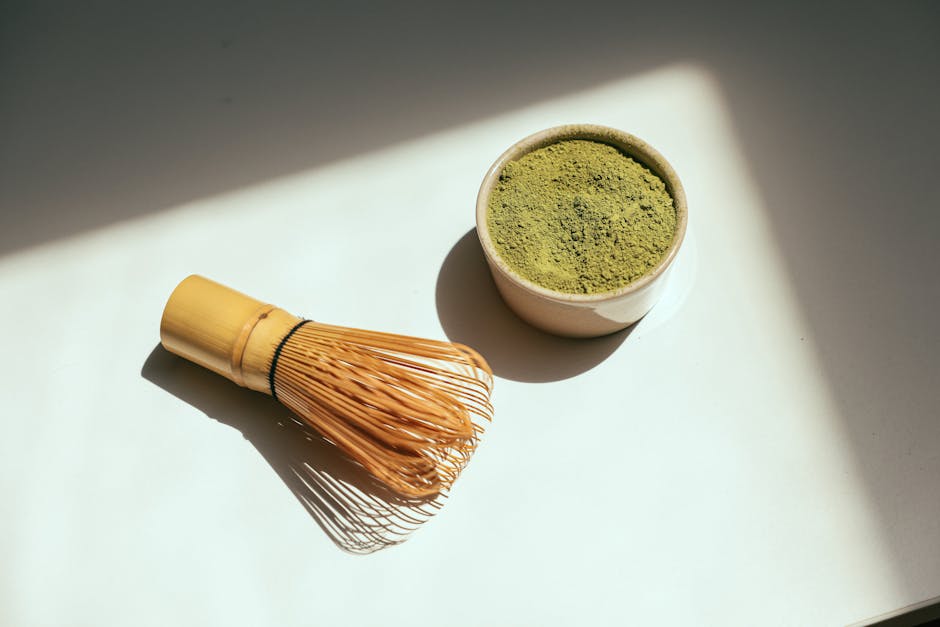
Matcha is consumed as whole powdered leaf, which is why per-cup catechin content is much higher than steeped green tea — but USDA release 3.3 does not include matcha as a standalone entry.
Why your cup of tea probably differs from the table
Published per-100-g values are averages of laboratory analyses. The brewed catechin level in any individual cup depends on factors the database cannot capture:
- Water temperature. A 2010 analysis published in the Journal of Chromatography A showed catechin extraction increases substantially as water temperature rises from 70 to 90 degrees Celsius. Many specialty green tea brewing guides recommend 75 to 80 degrees, which leaves measurable catechin in the leaf.
- Brew time. Two minutes of infusion extracts far less than five.
- Leaf form. Powdered matcha is consumed whole, so the catechin yield per gram of dry leaf is much higher than a brewed steep where most leaf mass is discarded. Several analyses report matcha catechin content several times higher than steeped green tea on a per-cup basis, though matcha is not consistently represented in the USDA flavonoid release 3.3.
- Cultivar and harvest. Japanese sencha, Chinese longjing, and Indian Darjeeling green teas all show different catechin profiles. USDA aggregates these into a single "tea, green, brewed" entry, which is useful for population estimates but blurs real variation.
From a data engineering standpoint this is the most honest thing the database does: it tells you the central estimate and the confidence code, and leaves the within-food variation to other literature. When I display tea catechin numbers on HealthSavvyGuide, I show a +/- band around the USDA central value to reflect this rather than a single misleadingly precise number.
What human research actually shows
Catechins are widely studied in cell and animal models. Human trials are smaller and more cautious. The picture in 2026, per major reference sources, is roughly:
- Cardiovascular markers. Meta-analyses of green tea and EGCG trials report small, statistically detectable reductions in LDL cholesterol and systolic blood pressure. The American Heart Association does not currently include green tea or EGCG as a recommended intervention for managing hypertension (AHA news, 2020).
- Cancer prevention. The U.S. National Cancer Institute states that population studies show inconsistent associations between green tea consumption and cancer risk, and that controlled human trials have not established a preventive effect (NCI Tea and Cancer Fact Sheet).
- Metabolic effects. Mayo Clinic notes that green tea catechins combined with caffeine produce a small, short-term increase in energy expenditure, but the effect on body weight in long-term human studies is small and clinically modest (Mayo Clinic FAQ).
- Liver safety signal with high-dose EGCG supplements. The European Food Safety Authority concluded in 2018 that EGCG doses at or above 800 mg per day from green tea supplements (not brewed tea) are linked to a measurable risk of elevated liver enzymes in some people (EFSA, 2018). The U.S. National Institutes of Health LiverTox database documents multiple case reports of green tea extract hepatotoxicity (NIH LiverTox).
So the honest summary is: brewed green tea is a well-studied source of catechins in human diets, and replacing sugary drinks with it is consistent with general healthy-pattern dietary guidance. High-dose EGCG extracts are a different product category with documented safety signals that brewed tea does not carry. The USDA flavonoid database describes the chemistry; the safety conclusions come from regulators and clinical literature.
Engineering gaps I noticed while aggregating
Three gotchas that anyone building a flavonoid-aware nutrition aggregator runs into:
- Release 3.3 is from 2018 and has not been updated. USDA has signaled that flavonoid data is moving into FoodData Central as a long-term effort, but as of the current FDC release notes the standard food endpoint still returns no catechin values. If your app says "USDA-sourced catechin data," you are quoting an 8-year-old dataset.
- Joining flavonoid data to FDC IDs requires fuzzy matching. The flavonoid release uses NDB numbers from the legacy SR database. Mapping those to current FDC IDs is one-to-many for several foods (different fruit varieties, raw versus cooked variants). I keep a manual override table for the ~40 foods where the automatic join is ambiguous.
- "Tea" in the database is the brewed beverage, not the leaf. Confusing leaf-weight catechin values with brewed-beverage values is the single most common mistake I have seen in third-party nutrition apps. The factor of difference is roughly 50x.
Practical takeaways for general readers
None of the following is medical advice. It is a summary of what major U.S. and EU health agencies have said publicly, framed for someone who just wants to know what to do with their afternoon cup of tea.
- Brewed green tea remains the highest commonly available dietary source of EGCG. If you already drink it, the USDA data supports the idea that you are getting a measurable amount.
- Dark chocolate and cocoa are real contributors to total catechin intake but their dominant catechin is epicatechin, not EGCG.
- Apples with skin contribute meaningful epicatechin at a population level even though per-100-g values are modest.
- High-dose green tea extract supplements are a different product category from brewed tea and have a documented safety signal at the doses commonly sold. Discuss with your doctor before starting any concentrated extract, especially if you have liver concerns or take medications.
- If you take warfarin or other anticoagulants, green tea contains vitamin K and may interact; check with your pharmacist (MedlinePlus green tea monograph).
What HealthSavvyGuide does with this data
On the aggregator side, every food page that has flavonoid coverage now exposes catechin values from USDA release 3.3 with the original confidence code surfaced. Foods with no entry in the flavonoid database are explicitly marked as "no USDA catechin data" rather than "0 mg," which is a meaningful difference: a true zero is not the same as an unmeasured value. This is the small kind of data hygiene decision that compounds across 1,465+ food entries and is invisible until you try to build it.
Sources
- USDA National Agricultural Library. USDA Database for the Flavonoid Content of Selected Foods, Release 3.3. May 2018.
- U.S. National Center for Complementary and Integrative Health. Green Tea. 2024.
- U.S. National Cancer Institute. Tea and Cancer Prevention Fact Sheet.
- European Food Safety Authority. Scientific opinion on the safety of green tea catechins. 2018.
- NIH LiverTox. Green Tea hepatotoxicity entry.
- Linus Pauling Institute, Oregon State University. Flavonoids Micronutrient Information Center.
- Mayo Clinic. Herbal supplements for weight loss FAQ.
- American Heart Association. Green tea and heart health news. 2020.
- MedlinePlus. Green tea drug interactions monograph.
Article written by Fanny Engriana, software engineer building HealthSavvyGuide as a USDA FoodData Central aggregator. Not a medical professional. For decisions about your own diet or supplements, consult a licensed healthcare provider.
Found this helpful?
Subscribe to our newsletter for more in-depth reviews and comparisons delivered to your inbox.