Resveratrol-Rich Foods: Red Grapes, Peanuts, and USDA FDC Polyphenol Data (2026)
Disclaimer: This article is for informational purposes only and is not medical advice. Resveratrol is a polyphenol studied in food chemistry and longevity research, but human evidence remains preliminary. Consult a qualified healthcare provider before changing your diet, starting any supplement, or using nutrition data to manage a medical condition — especially during pregnancy, while taking blood thinners, or alongside prescription medication.
Building HealthSavvyGuide on top of the USDA FoodData Central API, I keep running into the same engineering puzzle: USDA's Standard Reference (SR Legacy) records macronutrients and a few headline vitamins per 100 g, but the most-searched "longevity compounds" like resveratrol live in completely separate, lesser-known USDA polyphenol releases. Resveratrol is one of the clearest examples. There is no resveratrol_mg column in the food's nutrient list — instead you have to cross-reference USDA's Database for the Flavonoid Content of Selected Foods and the older USDA Database for the Isoflavone Content of Selected Foods, where stilbenes like resveratrol were originally compiled.
That gap matters because the public reads headlines like "red wine extends life" and types "resveratrol foods" into Google — but the underlying USDA numbers per 100 g are often much smaller than the marketing language suggests. So in this walkthrough, I'll lay out what resveratrol actually is, which whole foods USDA records as carrying meaningful amounts, what the National Institutes of Health (NIH) Office of Dietary Supplements has published about human studies, and where the data-engineering edge cases bite when you try to aggregate it. No diet plans, no dosing — just the data and the citations.
What Resveratrol Is, in One Paragraph
Resveratrol (3,5,4'-trihydroxy-trans-stilbene) is a stilbenoid polyphenol that certain plants produce as a defense response to fungal infection, UV stress, and physical injury. It exists in two geometric isomers — trans-resveratrol (the form most studied) and cis-resveratrol — and in glycosylated form as piceid (resveratrol-3-O-β-D-glucoside). The compound first drew wide scientific attention in the early 1990s as part of the so-called "French Paradox" hypothesis, when researchers asked why French populations with high saturated-fat intake had relatively low rates of coronary heart disease. Red wine, and the resveratrol in red wine grape skins, became one proposed explanation. The Mayo Clinic notes that this hypothesis has since been heavily revised and that the cardiovascular benefits of moderate red wine intake are not a recommendation to start drinking (Mayo Clinic, "Red wine and resveratrol: Good for your heart?").
Where Resveratrol Actually Lives in the USDA Data
When I first wired up the aggregator's import pipeline, I assumed resveratrol would appear in the standard foodNutrients array returned by the FoodData Central /v1/foods/{fdcId} endpoint. It doesn't — not for most SR Legacy entries. USDA tracks resveratrol through specialty polyphenol releases that were folded into the broader FDC architecture but are not consistently exposed in every endpoint response. The values below are the most-cited public USDA-sourced figures, reported in milligrams per 100 grams of edible portion (NIH Office of Dietary Supplements, "Resveratrol — Fact Sheet for Health Professionals").
| Food | Trans-resveratrol (mg per 100 g or 100 mL) | Notes |
|---|---|---|
| Red wine (grape variety dependent) | ~0.1 – 2.0 mg / 100 mL | Pinot Noir typically higher than Cabernet |
| White wine | ~0.01 – 0.27 mg / 100 mL | Skin contact removed early in fermentation |
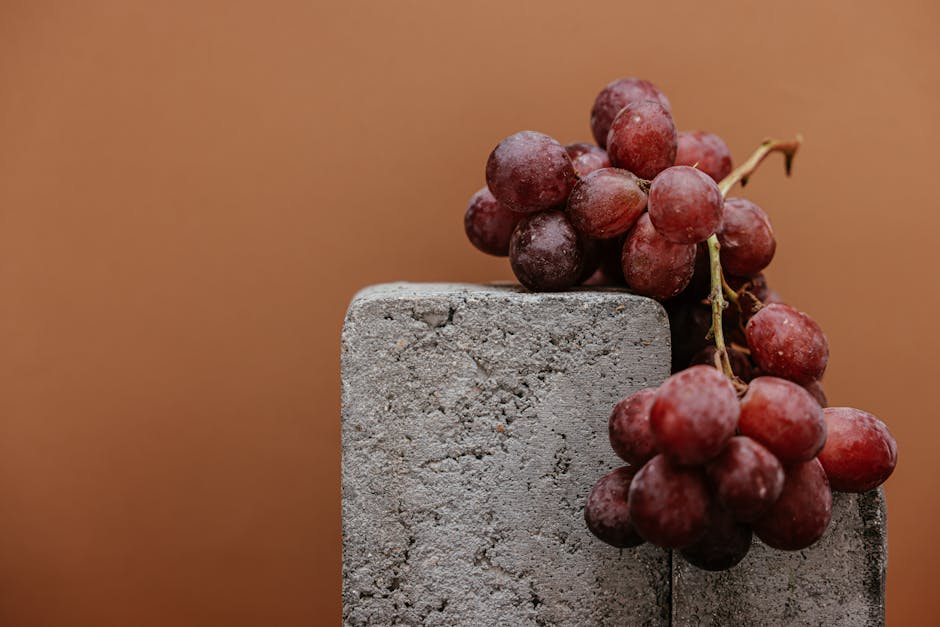
| Red grapes, fresh (skin) | ~0.15 – 1.6 mg / 100 g | Concentrated in skin and seeds |
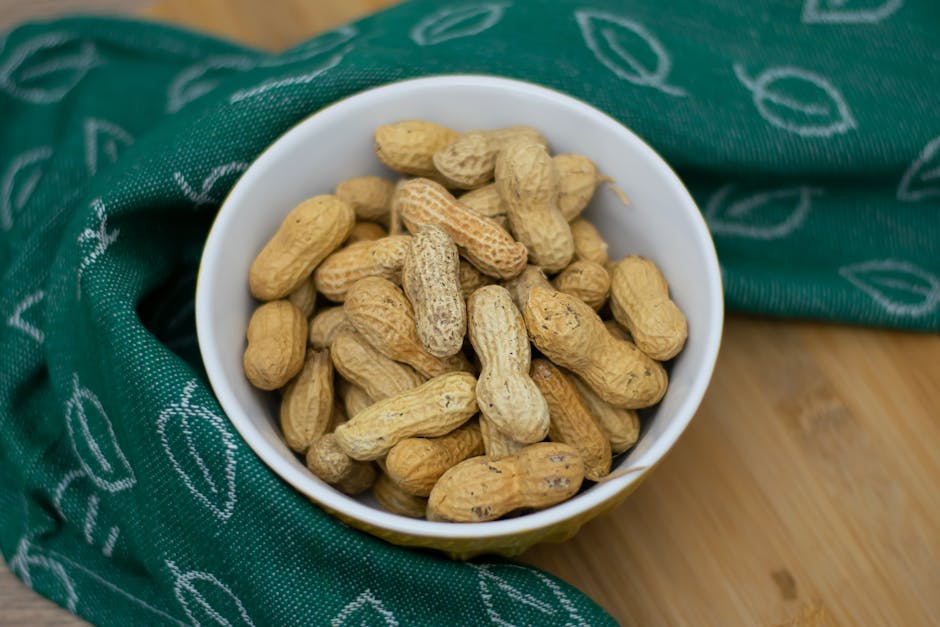
| Peanuts, raw | ~0.01 – 0.26 mg / 100 g | Boiled peanuts often higher than raw |
| Boiled peanuts | ~0.32 – 1.79 mg / 100 g | Processing increases extractable resveratrol |
| Peanut butter | ~0.04 – 0.13 mg / 100 g | Varies by brand and roast level |
| Pistachios | ~0.09 – 0.15 mg / 100 g | Lower than peanuts on average |
| Cocoa powder / dark chocolate | ~0.04 – 0.19 mg / 100 g | Highly processing-dependent |
| Blueberries | ~0.003 – 0.03 mg / 100 g | Trace amounts, often below detection |
| Cranberries | ~0.01 – 0.07 mg / 100 g | Higher in skin and juice concentrate |
| Itadori / Japanese knotweed (root) | up to ~187 mg / 100 g dry | Used in commercial supplements, not a culinary food |
Two things jump out from that table immediately. First, per 100 g, almost no commonly-eaten food crosses the 2 mg mark. Second, the only food in the table with truly large numbers — Japanese knotweed — is not something most people will ever eat as food. It is, however, the primary commercial extraction source for resveratrol capsules sold in retail supplement stores. That gap between "what a food provides at the dinner table" and "what a 250 mg supplement capsule provides" is one of the most consistently misunderstood things in the longevity space, and it is the single biggest reason I include the NIH disclaimer language inside HealthSavvyGuide's food-detail templates.
Why the Data Is Messy: an Engineering View
From the aggregator side, four issues complicate honest reporting of resveratrol values:
- Different USDA releases use different methods. The original USDA Database for the Flavonoid Content of Selected Foods (Release 3.x) used HPLC values pooled from peer-reviewed sources, while newer FDC entries may rely on direct lab assay. This means two entries for "red grape" can differ by an order of magnitude depending on which release contributed the value.
- Skin-to-flesh ratio is rarely captured. Resveratrol concentrates in grape skin. A serving of "100 g red grapes" with skin contains substantially more than 100 g of pressed juice. Most public datasets do not encode this distinction, so an aggregator has to surface "whole fresh grape including skin" as the assumption.
- Cooking and processing change values unpredictably. Boiled peanuts can contain several times more extractable resveratrol than the same peanuts raw, because heat and moisture break cell walls. Roasted peanuts often have lower values than raw. Wine fermentation extracts resveratrol from skins but also degrades a fraction during aging.
- Trans- vs cis- vs piceid. Most consumer-facing articles report "total resveratrol" by summing isomers and glycosides, but bioactivity studies almost exclusively use trans-resveratrol. Aggregating without flagging this confuses readers who later look up clinical-trial dosing.
For HealthSavvyGuide, my current pragmatic rule is: surface only the trans-resveratrol value when USDA provides one, and link the food page to NIH's published reference range rather than asserting a single number.
What Human Research Actually Says
The longevity buzz around resveratrol comes mostly from animal studies. Mice fed high-fat diets supplemented with resveratrol have shown improved insulin sensitivity, increased SIRT1 activity, and extended lifespan in some lab strains. Translating those findings to humans is where the picture gets cautious. The NIH ODS fact sheet — which is the most accessible authoritative summary I've found — describes the human evidence as mixed and notes that the doses used in clinical trials (often 250 mg to 1 g per day) are vastly higher than anything achievable through diet (NIH ODS). To put it in perspective: if red wine averages 1 mg of resveratrol per 100 mL, then 1 g of resveratrol would require drinking 100 liters of wine.
The National Center for Complementary and Integrative Health (NCCIH) takes a similar tone, summarizing that "studies of resveratrol in people have been small and short-term" and that effects on heart disease risk factors have been inconsistent (NCCIH, "Resveratrol"). Harvard Health Publishing has previously cautioned that the widely-reported "lifespan extension" finding from yeast and mouse studies "did not transfer cleanly to humans" and that resveratrol is best thought of as one minor data point in a broader Mediterranean-style eating pattern rather than a standalone protective ingredient (Harvard Health).
Three Practical Takeaways from the USDA Numbers
I avoid prescriptive nutrition advice on this site, but a few neutral framings hold up against the USDA data:
- No single food gets you to "clinical-trial" levels. The arithmetic above is unforgiving. If you've read a press release citing a 500 mg/day human study, no realistic combination of grapes, peanuts, berries, and wine produces that dose. Either the study used a concentrated extract — typically Japanese knotweed-sourced trans-resveratrol — or the dose simply isn't reachable through diet.
- Boiled peanuts are a quietly interesting case. They rank surprisingly high in the USDA stilbene literature because the boiling process improves extractability. This is a useful talking point for anyone in the southeastern United States where boiled peanuts are a traditional snack — not a "superfood" claim, just an honest data point.
- Red grapes with skin beat grape juice and beat raisins (for resveratrol). Drying concentrates sugars but does not consistently preserve resveratrol; UV exposure during drying can degrade it. If a reader wants the resveratrol-per-calorie ratio that matches what USDA's source records suggest, fresh red grapes with the skin are the most defensible choice.
Where Resveratrol Fits in a Larger Pattern
One reason I keep building food databases is that polyphenols are precisely the kind of nutrient class that gets distorted when isolated. Resveratrol on its own has unimpressive human trial data. But within the broader category of polyphenol-rich whole foods — which includes the same grapes, peanuts, berries, cocoa, and red-wine grapes that carry resveratrol — the overall pattern of intake is associated with better cardiovascular outcomes in large observational cohorts. The Centers for Disease Control and Prevention's nutrition guidance does not single out resveratrol but does recommend higher fruit and vegetable intake as part of a heart-healthy pattern (CDC Nutrition).
The honest read on the data is that the foods that happen to carry resveratrol are also foods that carry quercetin, catechins, anthocyanins, proanthocyanidins, fiber, and a long list of other constituents — so attributing benefits to resveratrol specifically, rather than to the food matrix it travels inside, is a stretch the published trials don't support. Build the pattern, not the molecule.
How HealthSavvyGuide Surfaces This Data
From an engineering perspective, the aggregator does three things on its food-detail pages when a food's USDA record links to a polyphenol release with resveratrol values:
- Show only trans-resveratrol values, in milligrams per 100 g, with the source release noted in a footnote
- Show the food's other major polyphenols alongside (so the reader sees the whole matrix, not the isolated molecule)
- Link the NIH ODS resveratrol fact sheet directly from any food card that touches the topic — so a reader who lands from a longevity-search query also sees the regulatory-grade caveat
That last point is the one I think matters most for a YMYL data site. The food's nutrient values are what USDA publishes. The interpretation of those values — the "what should I do?" — belongs to a clinician, not an aggregator and not an article.
Frequently Asked Questions
Is the resveratrol in red wine enough to matter for health?
Based on the NIH ODS summary, no — the levels found in wine are far below those used in any positive clinical trial, and major health bodies including the Mayo Clinic explicitly say wine is not recommended as a heart-health intervention.
Are resveratrol supplements safe?
The NCCIH notes that supplemental resveratrol appears well-tolerated in short trials at doses up to about 1 g per day, but that long-term safety is not established and that interactions with blood thinners, anti-inflammatories, and some cancer therapies have been flagged. Anyone considering a supplement should ask their doctor first.
Which whole food has the highest resveratrol per 100 g?
Among foods most people eat, fresh red grapes with skin and boiled peanuts are the top everyday sources in the USDA-sourced literature. Itadori (Japanese knotweed) is the highest-known natural source by orders of magnitude, but it is a supplement raw material rather than a food.
Does cooking destroy resveratrol?
It depends on the food. Wet heat (boiling peanuts) can increase extractable trans-resveratrol. Dry heat (long roasting) and prolonged UV exposure tend to decrease it. There is no single rule.
Why isn't resveratrol on the standard USDA nutrition label?
Because the U.S. Food and Drug Administration's Nutrition Facts panel is restricted to macronutrients, vitamins, and minerals with established Daily Values. Polyphenols including resveratrol have no DV and are not part of mandatory labeling.
Bottom Line
Resveratrol is real, USDA does record it in its polyphenol databases, and a handful of foods — red grapes with skin, boiled peanuts, and to a lesser extent berries and dark cocoa — carry measurable amounts. What the data does not support is the consumer-facing framing of resveratrol as a longevity ingredient you can meaningfully dose through eating. The numbers don't reach there. The honest, engineering-grade summary is: enjoy the foods because the wider polyphenol pattern is well-supported, treat resveratrol-the-molecule as preliminary, and route any supplement question through your doctor.
Sources consulted: NIH Office of Dietary Supplements (Resveratrol Health Professional Fact Sheet); National Center for Complementary and Integrative Health (Resveratrol); Mayo Clinic (Red wine and resveratrol: Good for your heart?); Harvard Health Publishing (Resveratrol — the hype continues); CDC Nutrition; USDA FoodData Central; USDA Database for the Flavonoid Content of Selected Foods, Release 3.x. This article is editorial commentary on publicly available USDA data and is not a substitute for individual medical advice.
Found this helpful?
Subscribe to our newsletter for more in-depth reviews and comparisons delivered to your inbox.