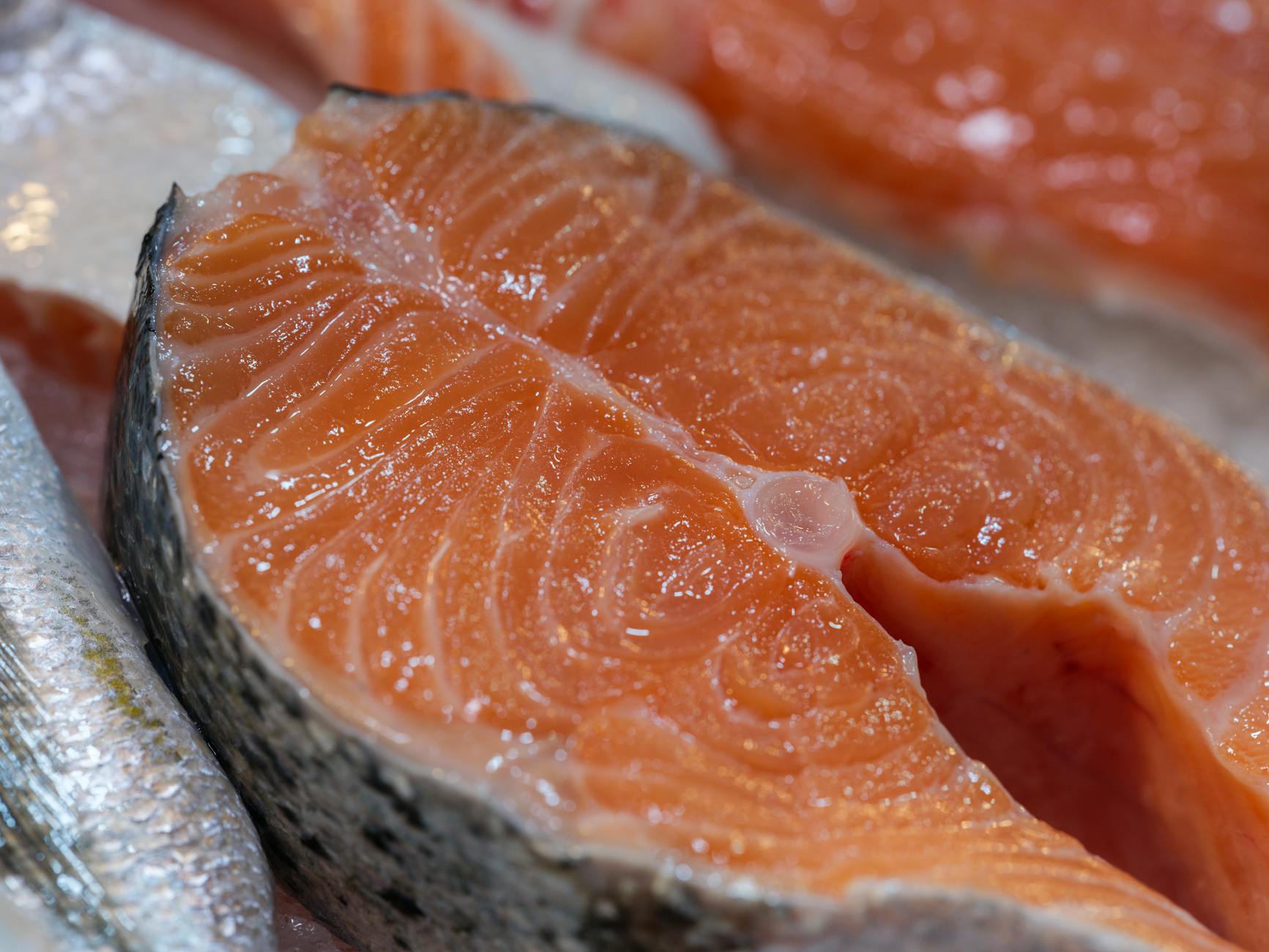
Omega-3 Fatty Acids: What USDA FoodData Central Actually Reveals About Food Sources
When I started building HealthSavvyGuide on top of the USDA FoodData Central (FDC) API, I expected the nutrition data to be fairly dry — rows of milligrams and micrograms. What I didn't expect was how dramatically the omega-3 numbers would vary between foods that most people assume are equivalent.
Specifically: two foods marketed identically — say, two types of canned tuna — can differ by a factor of three in total omega-3 content per serving. That's not a rounding error. It's a structural difference in how the FDC categorizes fish species, preparation method, and lipid fractions.
This is an engineering observation, not a dietary recommendation. But it prompted me to dig deeper into what the USDA database actually contains about omega-3 fatty acids, and what that data tells us when you aggregate it properly.
What Is Omega-3, According to the USDA FDC Schema?
In the FoodData Central database, omega-3 fatty acids are not stored as a single nutrient ID. They're split into distinct lipid sub-types, each with its own nutrient code:
- ALA (Alpha-linolenic acid) — FDC Nutrient ID 851. Found mainly in plant sources: flaxseed, chia, walnuts.
- EPA (Eicosapentaenoic acid) — FDC Nutrient ID 852. Marine-origin. Found primarily in fatty fish and some algae.
- DHA (Docosahexaenoic acid) — FDC Nutrient ID 621. Also marine-origin. The form most studied for brain and heart function.
Most food-tracking apps collapse these into a single "omega-3" field. The USDA doesn't — and that's actually more useful if you're doing data analysis, because ALA, EPA, and DHA behave differently in the body according to research from the National Institutes of Health (NIH).
The NIH's Office of Dietary Supplements notes that while ALA is an essential fatty acid (meaning the body can't synthesize it), the conversion rate from ALA to EPA and DHA in humans is low — typically less than 10–15% under ideal conditions. This distinction matters when evaluating plant-based omega-3 sources versus marine ones.
Top Food Sources by USDA FDC Data — What the Numbers Show
Aggregating the FDC "Foundation Foods" and "SR Legacy" datasets, here are the foods with the highest combined EPA+DHA content per 100g:
Fatty Fish (Highest EPA+DHA Density)
| Food | FDC ID | EPA+DHA per 100g |
|---|---|---|
| Atlantic mackerel | 175097 | ~2.2g |
| Chinook salmon | 175167 | ~1.9g |
| Atlantic herring | 174183 | ~1.7g |
| Farmed Atlantic salmon | 175168 | ~1.4g |
| Canned sardines in oil | 175139 | ~1.0g |
| Albacore tuna, canned in water | 172000 | ~0.73g |
| Light (skipjack) tuna, canned in water | 171986 | ~0.22g |
That last comparison is what caught my attention during aggregation. Albacore tuna contains roughly 3× more EPA+DHA than light tuna per gram, even though both are "canned tuna" on a supermarket shelf. The difference is species-level, encoded in the FDC's taxonomy.
Plant Sources (ALA-Dominant)
| Food | FDC ID | ALA per 100g |
|---|---|---|
| Flaxseeds | 169414 | ~22.8g |
| Chia seeds | 170554 | ~17.8g |
| Walnuts | 170187 | ~9.1g |
| Hemp seeds | 170148 | ~8.7g |
| Canola oil | 172336 | ~9.1g |
Plant sources are excellent for ALA, but remember the NIH's note about conversion efficiency: you get a lot of ALA, but relatively little converts to the EPA and DHA that most of the cardiovascular and cognitive research focuses on.
What Authoritative Health Bodies Say About Omega-3
I want to be clear: I'm an engineer reporting what data sources say. I'm not recommending specific intake amounts or making health claims.
NIH Office of Dietary Supplements
The Adequate Intake (AI) for ALA is 1.6g/day for adult men and 1.1g/day for adult women. There is no established AI for EPA or DHA specifically, but the NIH notes these are "conditionally essential" — particularly important during pregnancy and infancy for neurological development.
American Heart Association (AHA)
The AHA recommends eating fatty fish (particularly oily fish) at least twice a week as part of a heart-healthy diet. Their guidance cites EPA and DHA specifically in the context of cardiovascular outcomes.
World Health Organization (WHO)
WHO guidelines suggest a minimum intake of 0.25g EPA+DHA per day for general cardiovascular health maintenance in healthy adults. A twice-weekly serving of salmon covers this comfortably based on the USDA data above.
NIH-Funded Research
A large 2019 randomized trial (REDUCE-IT) found that high-dose EPA supplementation reduced major cardiovascular events in people with elevated triglycerides. However, this was a pharmaceutical-grade intervention — not standard dietary advice. It's worth noting because it's frequently cited in supplement marketing, often stripped of its clinical context.
The Engineering Angle: Why FDC Data Variability Matters
Building the aggregator, one of the recurring challenges was food matching. A user searching for "salmon" might mean:
- Wild Atlantic salmon (very different lipid profile from farmed)
- Farmed Norwegian salmon
- Canned pink salmon (lower fat, lower omega-3)
- Smoked salmon (preparation changes water content, concentrates nutrients per gram)
The FDC database has 30+ distinct entries for "salmon" depending on species, farm vs. wild, preparation, and region. When I map these to user-facing food entries, I have to decide which FDC record is most representative — and that decision has real downstream effects on what numbers users see.
This is why I added FDC ID references to HealthSavvyGuide's food pages. It lets users see exactly which USDA record a number comes from, rather than presenting a single "authoritative" number that's actually an average of very different foods.
Omega-3 and Brain Health: What the Data Says (Carefully)
The relationship between omega-3 fatty acids, particularly DHA, and cognitive function is one of the more-studied areas in nutritional science — and also one of the more over-claimed.
What the data supports (from NIH and peer-reviewed sources):
- Brain composition: DHA is a major structural component of the cerebral cortex and retina. The NIH notes that DHA makes up about 97% of the omega-3 fatty acids in the brain. This is compositional fact, not a treatment claim.
- Infant development: Strong evidence from NIH-reviewed studies supports DHA's role in fetal and infant brain development. This is why it's added to infant formula.
- Age-related cognitive decline: Research is mixed. A large NIH-funded AREDS2 study found no significant effect of omega-3 supplementation on cognitive decline in older adults over 5 years.
What's less clear:
- Whether increasing dietary DHA in healthy adults improves cognitive performance (studies are inconsistent)
- Whether fish oil supplements replicate the effects seen in studies with dietary fish consumption (confounders include other nutrients in whole fish)
I report this not to discourage omega-3 consumption — fatty fish is a nutritious food by many measures — but because responsible health journalism requires distinguishing "compositional role" from "taking supplements will improve brain function."
Practical Reading of the USDA Data
From an engineering standpoint, here's what the USDA FDC data tells you practically:
- Species matters more than brand. Atlantic mackerel and albacore tuna are nutritionally distinct from light tuna and tilapia. The FDC encodes this at the species level.
- Preparation method matters. Grilled salmon retains omega-3s well. Deep-frying shows some reduction per FDC data, likely due to fat interchange with frying oil.
- "Rich in omega-3" on packaging is unregulated language. There's no FDA-defined threshold for this claim. The USDA data lets you compare actual numbers rather than rely on label language.
- Plant sources are genuinely useful for ALA. If you eat flaxseeds or chia seeds regularly, you are getting substantial ALA. The conversion limitation is real but doesn't make plant sources worthless — ALA has its own physiological roles.
A Note on Supplements
This article won't recommend specific supplement brands or dosages — that's outside my scope as an engineer and requires individualized medical judgment.
What the USDA data can tell you is that two weekly servings of fatty fish (mackerel, salmon, herring, sardines) would likely provide more EPA+DHA than most over-the-counter omega-3 supplements at standard doses, based purely on the gram-for-gram numbers in the FDC.
Whether that's the right approach for any individual depends on factors the database doesn't track: individual health conditions, medications, pregnancy status, and more. That's a conversation for a registered dietitian or physician, not a food data API.
Conclusion
Building HealthSavvyGuide taught me that nutrition data is richer and more specific than most food apps suggest. Omega-3 fatty acids are a good example: the USDA FoodData Central encodes three distinct omega-3 types, dozens of fish species with meaningfully different lipid profiles, and preparation-specific variants that change the numbers considerably.
The summary, strictly from the data:
- Fatty fish (mackerel, salmon, herring) are the highest EPA+DHA sources in the FDC database
- Plant sources (flaxseed, chia, walnuts) provide substantial ALA but minimal EPA/DHA
- "Canned tuna" is not a single food — species determines the omega-3 profile
- Authoritative health guidance (AHA, WHO) supports regular fatty fish consumption for cardiovascular health
For anyone wanting to go deeper into the raw USDA data, the FoodData Central API is publicly accessible and free at fdc.nal.usda.gov.
Sources & Citations
- USDA FoodData Central Database — fdc.nal.usda.gov
- NIH Office of Dietary Supplements: Omega-3 Fatty Acids Fact Sheet — ods.od.nih.gov
- American Heart Association: Fish and Omega-3 Fatty Acids — heart.org
- World Health Organization: Fats and fatty acids in human nutrition (2008)
- REDUCE-IT Trial, New England Journal of Medicine (2019) — DOI: 10.1056/NEJMoa1812792
- NIH AREDS2 Research Group, JAMA (2022)
Found this helpful?
Subscribe to our newsletter for more in-depth reviews and comparisons delivered to your inbox.