Iodine Deficiency: What USDA FoodData Central Data Reveals About Your Thyroid Health
This article is for informational purposes only and is not medical advice. Consult a qualified healthcare provider before making changes to your diet or if you suspect a nutrient deficiency or thyroid disorder.
Building HealthSavvyGuide on top of the USDA FoodData Central API, I've been processing nutritional profiles across thousands of foods. One pattern that stood out early: iodine data is among the most sparsely populated nutrient fields in the database. Of the 1,465+ foods I aggregated, a meaningful number have no iodine value recorded at all — not because the foods contain none, but because iodine content in plant foods is highly variable and difficult to standardize.
That engineering observation opened a rabbit hole. Iodine is the kind of nutrient that flies under the radar — unlike iron or vitamin D, it rarely makes headlines — yet global health organizations flag it as one of the most common preventable nutrient deficiencies in the world.
Here's what the data, and the science behind it, actually shows.
Why Iodine Matters: The Thyroid Connection
Iodine is essential for producing thyroid hormones — specifically thyroxine (T4) and triiodothyronine (T3). These hormones regulate metabolism, body temperature, heart rate, and energy production. According to the National Institutes of Health (NIH) Office of Dietary Supplements, the thyroid gland contains approximately 70–80% of all iodine in the human body.
Without enough iodine, the thyroid cannot produce sufficient hormones. The body responds by enlarging the gland — a condition called a goiter — in an attempt to capture more iodine from the bloodstream. Prolonged deficiency leads to hypothyroidism, with symptoms including:
- Persistent fatigue and sluggishness
- Unexplained weight gain
- Cold intolerance
- Brain fog and difficulty concentrating
- Dry skin and hair thinning
- Constipation
The World Health Organization (WHO) estimates that approximately 2 billion people worldwide have insufficient iodine intake, making it the leading preventable cause of brain damage in children and a significant public health concern even in developed countries.
How Much Iodine Do You Actually Need?
The NIH recommends the following Recommended Dietary Allowances (RDAs) for iodine:
| Life Stage | RDA (mcg/day) |
|---|---|
| Adults (19+) | 150 mcg |
| Pregnant women | 220 mcg |
| Breastfeeding women | 290 mcg |
| Children (9–13) | 120 mcg |
| Children (1–8) | 90 mcg |
Pregnancy dramatically increases demand because iodine is critical for fetal brain development. The American Thyroid Association recommends that pregnant and breastfeeding women take a prenatal supplement containing 150 mcg of potassium iodide daily — in addition to dietary sources.
What USDA FoodData Central Shows About Iodine Sources
When I pull iodine data from USDA FoodData Central (Nutrient ID: 1100), the foods with the most reliable and highest concentrations fall into a few clear categories.
Seafood
Seaweed and ocean fish are the richest natural sources of iodine. The USDA FDC records notably high iodine content in:
- Cod (FDC ID: 175122): approximately 99 mcg per 3-oz serving — roughly 66% of the adult RDA in a single portion
- Tuna, canned in water: approximately 17 mcg per 3-oz serving
- Shrimp: approximately 35 mcg per 3-oz serving
Seaweed is technically the densest source, but iodine content varies wildly by species and growing conditions — which is precisely why the USDA database struggles to standardize it. Kombu kelp, for instance, can contain anywhere from 1,500 to 2,500+ mcg per gram, far exceeding the tolerable upper intake level (UL) of 1,100 mcg/day for adults. Regular, large consumption of kelp-based supplements is associated with iodine-induced hyperthyroidism, per NIH data.
Dairy Products
Dairy is the primary iodine source for most Americans who don't eat seafood regularly. The iodine in milk comes partly from iodine-containing sanitizing solutions used in dairy equipment. USDA FDC data shows:
- Plain low-fat yogurt: approximately 75 mcg per 8-oz serving (50% of adult RDA)
- Milk (2% fat): approximately 56 mcg per 8-oz serving
- Cottage cheese: approximately 65 mcg per cup
This variability in dairy iodine content is one of the engineering challenges I encountered — the same food item can show different iodine values depending on region, season, and production practices. The USDA captures multiple survey sources (FNDDS, SR Legacy, Foundation Foods), each with slightly different values for the same food.
Eggs
A single large egg contains approximately 24 mcg of iodine, concentrated mostly in the yolk (FDC ID: 748967). That represents about 16% of the adult RDA — modest but meaningful for daily dietary planning.
Iodized Salt
Iodized salt is the most widely used strategy for preventing deficiency. In the US, iodized table salt contains approximately 45 mcg of iodine per gram. At typical daily sodium intake (~2,300 mg sodium = ~5.8g salt), iodized salt can theoretically provide well over the RDA.
However, there's a catch: specialty and artisan salts — sea salt, kosher salt, Himalayan pink salt, and gourmet finishing salts — are generally not iodized. As more households shift to these alternatives for culinary reasons, iodized salt's contribution to daily intake declines. The USDA FoodData Central database reflects this gap — iodine values for these specialty salts are either zero or absent.
Who Is at Risk for Iodine Deficiency?
The CDC and NIH identify several groups with elevated risk:
1. People who avoid dairy and seafood
Vegetarians and especially vegans have lower iodine intake on average. Plant foods grown in iodine-poor soil provide minimal iodine, and the USDA database confirms that most fruits, vegetables, and grains show either zero or unmeasured iodine content.
2. Pregnant women
Even mildly insufficient iodine during pregnancy is associated with reduced cognitive development in children, per research published in The Lancet and cited by WHO. The American Academy of Pediatrics recommends supplementation throughout pregnancy and lactation.
3. People in iodine-deficient geographic regions
Inland and mountainous regions — far from ocean-derived soil and precipitation — historically have lower iodine in locally grown food. Parts of the US Mountain West and Midwest show lower population iodine levels in national surveys (NHANES data, CDC).
4. People using non-iodized specialty salts exclusively
As noted above, the trend toward artisanal salt reduces iodized salt exposure significantly.
Signs Your Iodine Intake May Be Low
The symptoms of mild iodine deficiency overlap with many other conditions, which makes it easy to miss. According to the American Thyroid Association and Mayo Clinic, watch for:
- Fatigue that doesn't resolve with rest — hypothyroidism slows cellular energy production
- Neck swelling or tightness — early goiter development
- Unexpected weight changes — thyroid hormones regulate metabolic rate
- Hair loss — thyroid dysfunction disrupts the hair growth cycle
- Mental slowness or memory issues — thyroid hormones affect neurotransmission
- Irregular menstrual cycles in women — thyroid imbalances affect reproductive hormones
None of these symptoms alone confirms iodine deficiency. A blood test measuring TSH (thyroid-stimulating hormone) and thyroid hormone levels is the standard clinical approach. Urine iodine concentration testing is used in population-level research. If you experience persistent symptoms, consult a healthcare provider rather than self-diagnosing.
What the USDA Data Gap Tells Us
From a data engineering perspective, the iodine situation in FoodData Central is instructive. The USDA flags iodine as having incomplete coverage — many foods simply don't have measured values because iodine content depends heavily on soil and environmental factors that can't be captured in a standardized nutrient database.
This is actually useful information for understanding the limits of nutrition apps and food trackers. If your food diary says your iodine intake is 40 mcg today, that number is almost certainly wrong — not because the app made an error, but because the source data doesn't exist for many of the foods you ate.
It's a reminder that nutrition databases, including the USDA's gold-standard FDC, are approximations. They're built from lab analyses of food samples, conducted at specific times and places. For nutrients like iodine where environmental variability is high, the gap between reported and actual intake can be substantial.
Practical Strategies for Adequate Iodine Intake
Based on authoritative recommendations from NIH, WHO, and the American Thyroid Association:
Use iodized salt for everyday cooking
If you use table salt, choose iodized. It's the simplest, most cost-effective intervention. Cooking with iodized salt doesn't meaningfully reduce its iodine content.
Include seafood 2–3 times per week
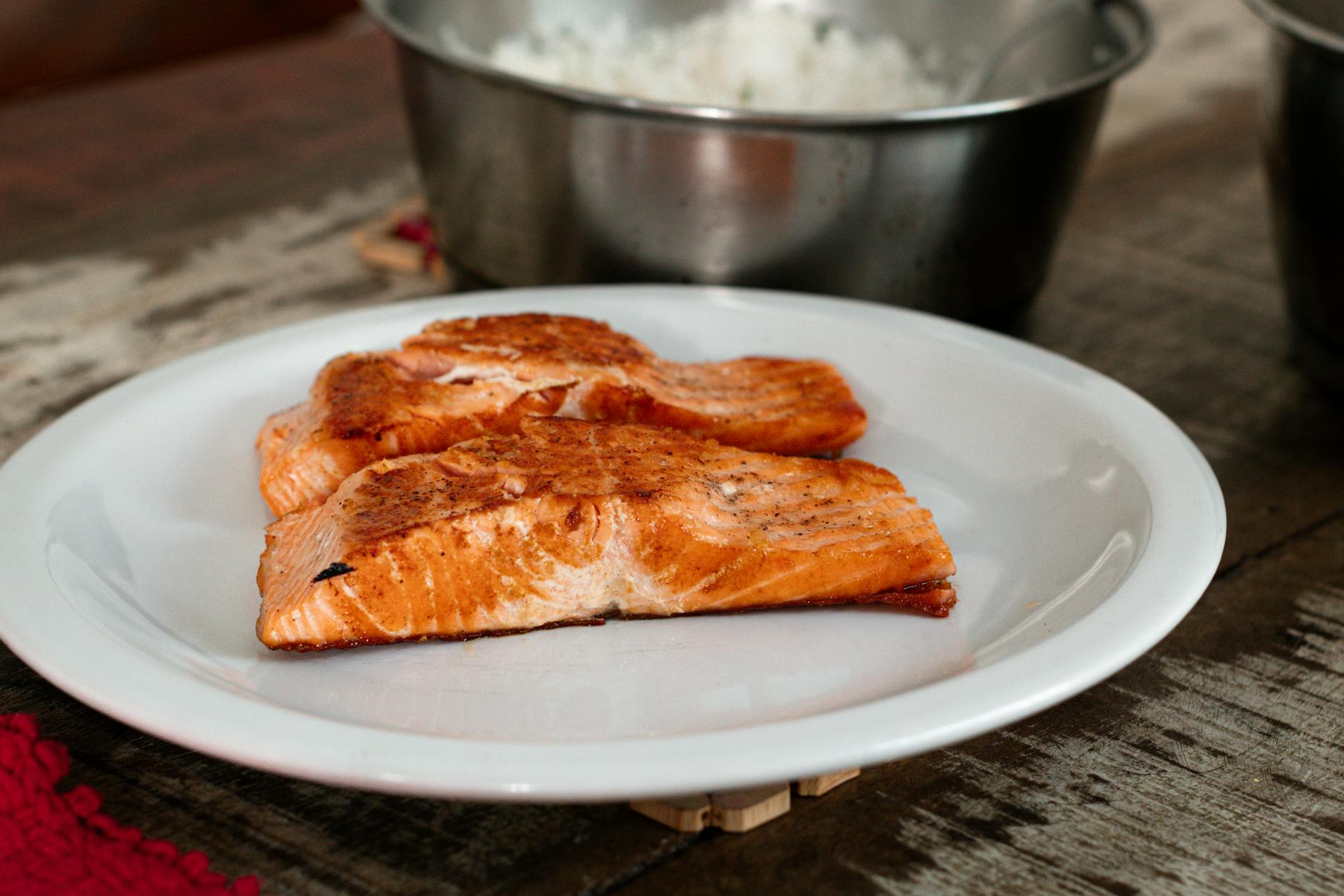
Low-mercury options like cod, shrimp, tilapia, and canned light tuna are solid iodine sources alongside omega-3 and protein benefits.
Don't eliminate dairy without a plan
If you're cutting dairy, be intentional about replacing its iodine contribution. Most plant-based milk alternatives are not fortified with iodine. Check the label.
Consider a multivitamin or prenatal if you're pregnant
The American Thyroid Association specifically recommends prenatal vitamins containing potassium iodide (not kelp-derived iodine, which is less standardized) at 150 mcg during pregnancy and breastfeeding.
Avoid excessive seaweed or kelp supplements
More is not better with iodine. Exceeding the tolerable upper limit (1,100 mcg/day) consistently can trigger hyperthyroidism or thyroiditis. The NIH has documented cases of iodine-induced thyroid dysfunction from overuse of kelp supplements.
The Bottom Line
Iodine is a small nutrient with outsized importance — particularly for thyroid function, metabolism, and fetal brain development. Yet it's one of the hardest nutrients to track reliably, partly because the data infrastructure (including USDA FDC) hasn't fully solved the environmental variability problem.
The practical takeaway isn't complicated: iodized salt, regular seafood intake, and attention to dairy alternatives covers the vast majority of adults. Pregnant and breastfeeding women warrant closer attention and targeted supplementation.
If you're building a food tracker or aggregating nutrition data — as I am with HealthSavvyGuide — treat iodine values as especially incomplete and flag them accordingly for users. And if you're a consumer relying on those trackers, know that your iodine data is likely the least accurate number in your nutrition log.
Sources:
NIH Office of Dietary Supplements — Iodine: https://ods.od.nih.gov/factsheets/Iodine-HealthProfessional/
World Health Organization — Iodine Deficiency: https://www.who.int/health-topics/micronutrients
American Thyroid Association: https://www.thyroid.org/iodine-deficiency/
USDA FoodData Central: https://fdc.nal.usda.gov/
Mayo Clinic — Hypothyroidism: https://www.mayoclinic.org/
Medical Disclaimer: This article is for informational purposes only and does not constitute medical advice, diagnosis, or treatment. Always consult a qualified healthcare provider regarding nutritional concerns, symptoms, or before making dietary changes — particularly during pregnancy or if you have a known thyroid condition.
Found this helpful?
Subscribe to our newsletter for more in-depth reviews and comparisons delivered to your inbox.