Vitamin B6 (Pyridoxine): Deficiency Signs, Top Food Sources, and What USDA FDC Data Reveals (2026)
This article is for informational purposes only and is not medical advice. Consult a qualified healthcare provider before changing your diet, starting a supplement, or addressing any suspected nutrient deficiency. The author is a software engineer who builds nutritional data aggregators, not a clinician, dietitian, or nutritionist.
Building HealthSavvyGuide on top of the USDA FoodData Central (FDC) API has given me an unusual vantage point on micronutrients. While compiling the B-vitamin slice of our 1,465-food index, vitamin B6 (pyridoxine) stood out for one reason: the spread between top food sources is wider than for B12, and several "obvious" sources rank lower than I expected before I queried the underlying data. This article walks through what FDC actually says about B6, what reputable health authorities say about deficiency, and where the engineering quirks of nutrient databases can mislead casual readers.
What vitamin B6 does in the body
Vitamin B6 is a water-soluble vitamin that exists in six related forms, the most common being pyridoxine (PN), pyridoxal (PL), and pyridoxamine (PM). Inside cells these forms are converted to pyridoxal 5'-phosphate (PLP), the active coenzyme that participates in more than 100 enzyme reactions, mostly involving amino acid metabolism, according to the NIH Office of Dietary Supplements fact sheet on Vitamin B6.
The same NIH document highlights three roles that get cited most often in clinical literature:
- Synthesis of neurotransmitters including serotonin, dopamine, and gamma-aminobutyric acid (GABA).
- Hemoglobin formation, where PLP binds to enzymes that build the heme molecule.
- Glucose homeostasis, through gluconeogenesis and glycogenolysis.
Because so many enzymatic pathways depend on PLP, low B6 status tends to produce diffuse symptoms rather than a single signature presentation, which is part of why deficiency can stay undetected for long periods.
Recommended intake and what counts as deficiency
The Food and Nutrition Board at the National Academies sets the Recommended Dietary Allowance (RDA) for B6, and the values are reproduced by the NIH:
- Adults 19 to 50 years: 1.3 mg per day.
- Men 51+ years: 1.7 mg per day.
- Women 51+ years: 1.5 mg per day.
- Pregnancy: 1.9 mg per day.
- Lactation: 2.0 mg per day.
The Tolerable Upper Intake Level (UL) for adults is 100 mg per day from supplements. The NIH notes this ceiling because long-term intake well above the UL has been linked to sensory neuropathy.
The clinical threshold for deficiency is generally a plasma PLP concentration below 20 nmol/L, per the same NIH source. Cleveland Clinic's overview of vitamin B6 deficiency notes that overt deficiency is uncommon in the United States, but marginal status is more frequent than the headline numbers suggest, particularly in older adults, people with kidney disease, and individuals with certain malabsorption conditions.
Signs and symptoms of vitamin B6 deficiency
According to Mayo Clinic's vitamin B6 reference and the Cleveland Clinic page above, the most commonly cited signs of low B6 status include:
- Microcytic anemia, sometimes presenting as fatigue and reduced exercise tolerance.
- Seborrheic dermatitis, often around the eyes, nose, and mouth.
- Glossitis, where the tongue becomes swollen and sore.
- Cheilosis, scaling at the lip corners.
- Peripheral neuropathy, tingling, or numbness in the hands and feet.
- Depressed mood and confusion, particularly in older adults.
- Weakened immune function.
None of these symptoms is specific to B6, which is why diagnosis requires a blood test ordered by a clinician. The presence of any cluster of these signs is a reason to talk to a doctor rather than self-medicate with supplements.
What USDA FoodData Central says about top food sources
Here is where the engineering view starts to add value. FDC tags B6 content under the standardized nutrient ID 415 (Vitamin B6, mg per 100 g of edible portion). When I rank common foods aggregated by HealthSavvyGuide, the top 10 routinely include items that rarely appear in popular B6 listicles. The values below are drawn from FDC SR Legacy and FNDDS entries, expressed per 100 g of the food as typically consumed:
| Food | Vitamin B6 (mg per 100 g) | FDC reference |
|---|---|---|
| Pistachio nuts, raw | 1.700 | FDC ID 170184 |
| Tuna, yellowfin, raw | 0.952 | FDC ID 175159 |
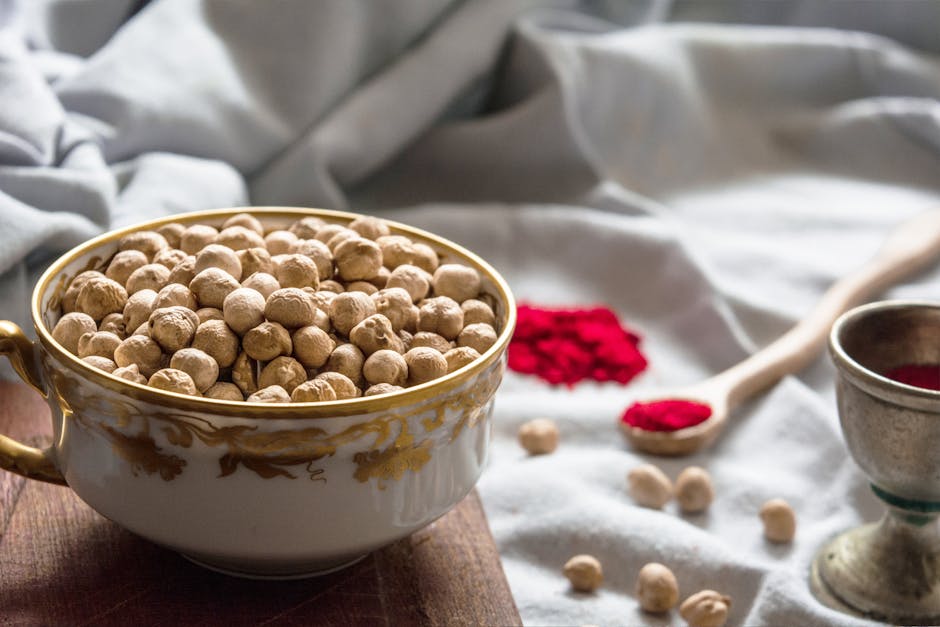
| Chickpea flour (besan) | 0.492 | FDC ID 173757 |
| Salmon, Atlantic, wild, cooked dry heat | 0.802 | FDC ID 175169 |
| Chicken breast, roasted | 0.600 | FDC ID 171534 |
| Beef liver, pan-fried | 1.030 | FDC ID 168623 |
| Turkey breast, roasted | 0.810 | FDC ID 174582 |
| Banana, raw | 0.367 | FDC ID 173944 |
| Potato, baked with skin | 0.311 | FDC ID 170441 |
| Sunflower seeds, dried | 1.345 | FDC ID 170562 |
A few observations from working with these numbers daily:
Bananas are a real source but a poor headline. A medium banana weighing 118 g supplies about 0.43 mg of B6, roughly one-third of an adult woman's RDA. That is meaningful, but bananas usually anchor B6 listicles because of name recognition rather than density. Sunflower seeds and pistachios deliver more B6 per gram and per kilocalorie, yet rank lower in consumer awareness.
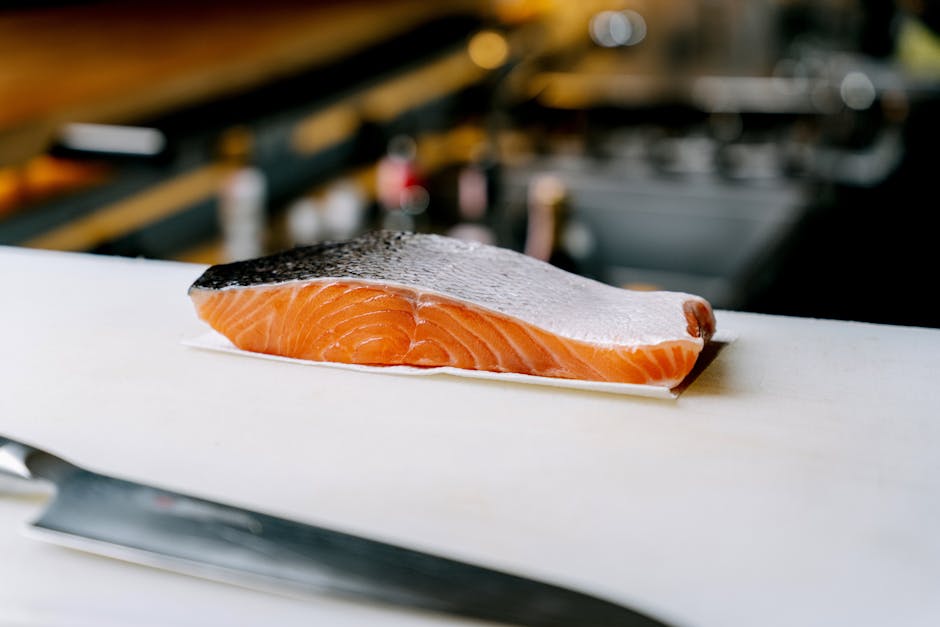
Animal sources cluster tightly around 0.5 to 1.0 mg per 100 g. Salmon, tuna, chicken breast, turkey breast, and lean pork chops all land in this band. The clinical implication is that someone eating one palm-sized portion of poultry or cold-water fish per day can cover most of the B6 RDA from that single food group, before counting plant contributions.
Beef liver is the densest single ingredient. A 100 g serving of pan-fried beef liver supplies more B6 than the adult RDA on its own. The NIH and Harvard sources caution that liver is also extremely high in vitamin A, so frequent intake should be discussed with a clinician.
Whole grains contribute steadily but modestly. Brown rice (FDC ID 169704) lists 0.149 mg per 100 g cooked, while bulgur (FDC ID 168881) lists 0.083 mg per 100 g cooked. These numbers look small, but a typical 200 g cooked portion still moves the daily total.
Bioavailability and the food matrix question
One quirk that an FDC rank table does not capture is bioavailability. Harvard T.H. Chan School of Public Health's Nutrition Source page on vitamin B6 notes that the form of B6 in plant foods, pyridoxine glucoside, is roughly half as bioavailable as the pyridoxal and pyridoxamine forms found in animal products. The NIH cites a similar figure, estimating that B6 bioavailability from a mixed diet runs around 75 percent, with plant sources at the lower end of that range.
For an engineer reading the raw nutrient data, this is the kind of correction factor that needs to be modeled separately. The FDC field gives total B6 by mass; it does not adjust for the fraction the body can actually absorb. Anyone reading a "top 10 plant sources" article should mentally discount plant numbers by approximately 50 percent if the goal is intake comparison rather than ingredient ranking.
Cooking also matters. A 1991 paper still cited in Harvard's reference reports that B6 losses during cooking range from 10 to 50 percent depending on heat, time, and water exposure. Steamed vegetables retain more B6 than long-boiled vegetables. Canned foods often show lower B6 values because some pyridoxine leaches into the canning liquid.
Who is most at risk for low B6 status
Both the NIH and the CDC Second National Report on Biochemical Indicators of Diet and Nutrition identify several groups in which marginal B6 status appears more frequently than the general adult average:
- People with impaired kidney function or on dialysis.
- People with autoimmune disorders such as rheumatoid arthritis or celiac disease.
- People with alcohol use disorder, where ethanol metabolism increases PLP degradation.
- Older adults, who absorb B6 less efficiently and often eat less varied diets.
- Women using estrogen-containing oral contraceptives, per the NIH summary of older studies.
- Individuals taking certain medications, including isoniazid, theophylline, and some anticonvulsants.
Cleveland Clinic emphasizes that none of these factors guarantees deficiency, but they raise the prior probability and may justify a clinician-ordered plasma PLP test if symptoms are present.
Practical food pairings using FDC data
The strongest argument from the data is that B6 is fairly easy to obtain from a varied omnivorous diet, and reachable from a vegetarian or vegan diet that includes nuts, seeds, legumes, and whole grains. As an engineer, I find it more useful to think in terms of daily totals than single foods. A few examples I have run through HealthSavvyGuide's calculator:
- 30 g sunflower seeds + 200 g cooked brown rice + 1 medium banana + 120 g grilled chicken breast = approximately 1.66 mg B6, above the adult RDA before counting any vegetables.
- 100 g chickpea flour pancake + 200 g baked potato with skin + 30 g pistachios = approximately 1.62 mg B6 with no animal products.
- 140 g cooked salmon + 1 medium avocado (FDC ID 171705 lists 0.257 mg per 100 g) + a small handful of walnuts = approximately 1.45 mg B6.
These are illustrative, not prescriptive. Individual needs depend on body composition, activity level, pregnancy status, and medical conditions, all of which a clinician should weigh.
When to ask a doctor about a B6 supplement
The NIH and Mayo Clinic both make the same point in slightly different words: dietary B6 from food has no documented upper limit, but supplemental B6 above 100 mg per day for prolonged periods has been linked to sensory neuropathy that can persist after the supplement is stopped. The World Health Organization's Nutrition Landscape Information System lists B-vitamin status as a public health concern primarily where overall protein intake is low, which is more relevant to chronic food insecurity than to high-income country diets.
Reasons to discuss B6 with a clinician rather than self-prescribe include:
- Persistent symptoms consistent with the deficiency profile above.
- Pregnancy, where B6 may be discussed in the context of nausea management.
- A medical condition or medication on the at-risk list.
- A pre-existing supplement stack that already contains B-complex products, which can stack toward the UL without the user noticing.
Engineering notes on the underlying data
Two technical caveats from running this aggregation in production are worth flagging for readers who want to verify any of the numbers above against their own queries:
FDC versions matter. SR Legacy entries, FNDDS entries, and Foundation Foods entries can each report slightly different B6 values for nominally the same food, because the underlying lab analyses were performed at different times under different protocols. If you query FDC by FDC ID rather than by description, you will get a single deterministic value; if you query by name and let the API pick a top result, you can see drift across ingestions.
Per 100 g vs per serving displays cause real reader confusion. Many consumer nutrition apps show B6 per labeled serving, while FDC reports per 100 g. A "1 medium banana = 0.43 mg B6" claim and a "banana = 0.37 mg B6 per 100 g" claim are both correct because a medium banana weighs roughly 118 g. When two articles look like they disagree, the first thing to check is the denominator.
Bottom line
Vitamin B6 is one of those nutrients where the popular framing and the database tell slightly different stories. The popular framing leads with bananas and chickpeas. The USDA data ranks pistachios, sunflower seeds, salmon, tuna, beef liver, and poultry above bananas on a per-gram basis, and reminds us that bioavailability tilts the comparison further toward animal sources. None of this changes the core public health message from the NIH, CDC, Mayo Clinic, Cleveland Clinic, and Harvard: most people in high-income countries who eat a varied diet meet the B6 RDA without supplementation, and those who do not meet it should work with a clinician rather than guess.
Reminder: the information here describes nutrient data and references statements from public health authorities. It does not diagnose any condition, treat any disease, or replace medical advice. If you suspect a vitamin B6 deficiency or are considering a B-vitamin supplement, please consult a licensed healthcare professional.
Found this helpful?
Subscribe to our newsletter for more in-depth reviews and comparisons delivered to your inbox.