Vitamin B5 (Pantothenic Acid): Top Food Sources from USDA FDC Data — 2026
Disclosure: I am an engineer who builds nutrition data aggregators on top of the USDA FoodData Central (FDC) API. I am not a dietitian, nutritionist, or medical professional. This article presents nutrient data from USDA FDC and references from NIH, Mayo Clinic, and NHS. It is informational, not medical advice.
Of all the B-vitamins I have indexed while building HealthSavvyGuide on the USDA FDC API, pantothenic acid (vitamin B5) is the one most readers ask about with the least clarity. Compared to B12, folate, or B6, it gets little media attention — yet every food group I have aggregated, from animal liver to dried mushrooms, contains measurable amounts. The Greek root pantos means “everywhere,” and the USDA dataset confirms it: in the 1,465 foods I have currently indexed, pantothenic acid appears in over 92 percent of records with nonzero values.
This article walks through what the USDA FDC database actually shows for B5 — top food sources by weight, intake reference values from the NIH Office of Dietary Supplements, cooking and storage losses, and the engineering details of how FDC stores the nutrient. It is built for readers who want data, not slogans.
What Pantothenic Acid Is, in One Paragraph
Pantothenic acid is a water-soluble B-vitamin that the body converts into coenzyme A (CoA) and acyl carrier protein. Both are required for fatty acid synthesis, fatty acid oxidation, and the citric acid cycle. The NIH Office of Dietary Supplements fact sheet on pantothenic acid notes that because B5 is widely distributed in food, isolated dietary deficiency is rare in healthy adults eating a varied diet. The vitamin was first isolated by Roger J. Williams in 1933, which is why some older food composition tables still call it “Williams factor” or “factor PA.”
From a database engineering perspective, pantothenic acid is one of the cleanest nutrients to query in USDA FDC. It has a single nutrient ID, a single unit (milligrams), and almost no analytical alternates — unlike, say, vitamin A, which juggles retinol, retinol activity equivalents, and beta-carotene across separate columns.
How Much Pantothenic Acid Adults Need (NIH ODS Reference)
Pantothenic acid does not have a Recommended Dietary Allowance (RDA) in the United States. The Food and Nutrition Board of the National Academies set an Adequate Intake (AI) instead, because the evidence base was insufficient to compute a precise RDA. The NIH ODS publishes the following AI values:
| Life Stage | AI (mg/day) |
|---|---|
| Infants 0–6 months | 1.7 |
| Infants 7–12 months | 1.8 |
| Children 1–3 years | 2 |
| Children 4–8 years | 3 |
| Children 9–13 years | 4 |
| Adolescents 14–18 years | 5 |
| Adults 19+ years | 5 |
| Pregnancy | 6 |
| Lactation | 7 |
The Daily Value (DV) used on US Nutrition Facts labels is 5 mg, which matches the adult AI. The NIH ODS notes there is no Tolerable Upper Intake Level (UL) for pantothenic acid because no adverse effects from high oral intake have been documented in humans, although very large supplemental doses (10 g/day or more) have anecdotally been linked to mild gastrointestinal effects.
Top Food Sources of Pantothenic Acid (USDA FDC Data)
The table below is pulled directly from USDA FoodData Central’s Standard Reference (SR Legacy) and Foundation Foods datasets. Values are mg of pantothenic acid per 100 g of edible portion. I sorted them by absolute density, then noted the realistic per-serving contribution because density alone misleads — almost no one eats 100 g of dried shiitake mushrooms in a sitting.
| Food (USDA FDC reference) | mg / 100 g | Typical serving | mg per serving |
|---|---|---|---|
| Shiitake mushrooms, dried | 21.88 | 15 g (4 mushrooms) | 3.28 |
| Beef liver, braised | 7.17 | 85 g (3 oz) | 6.09 |
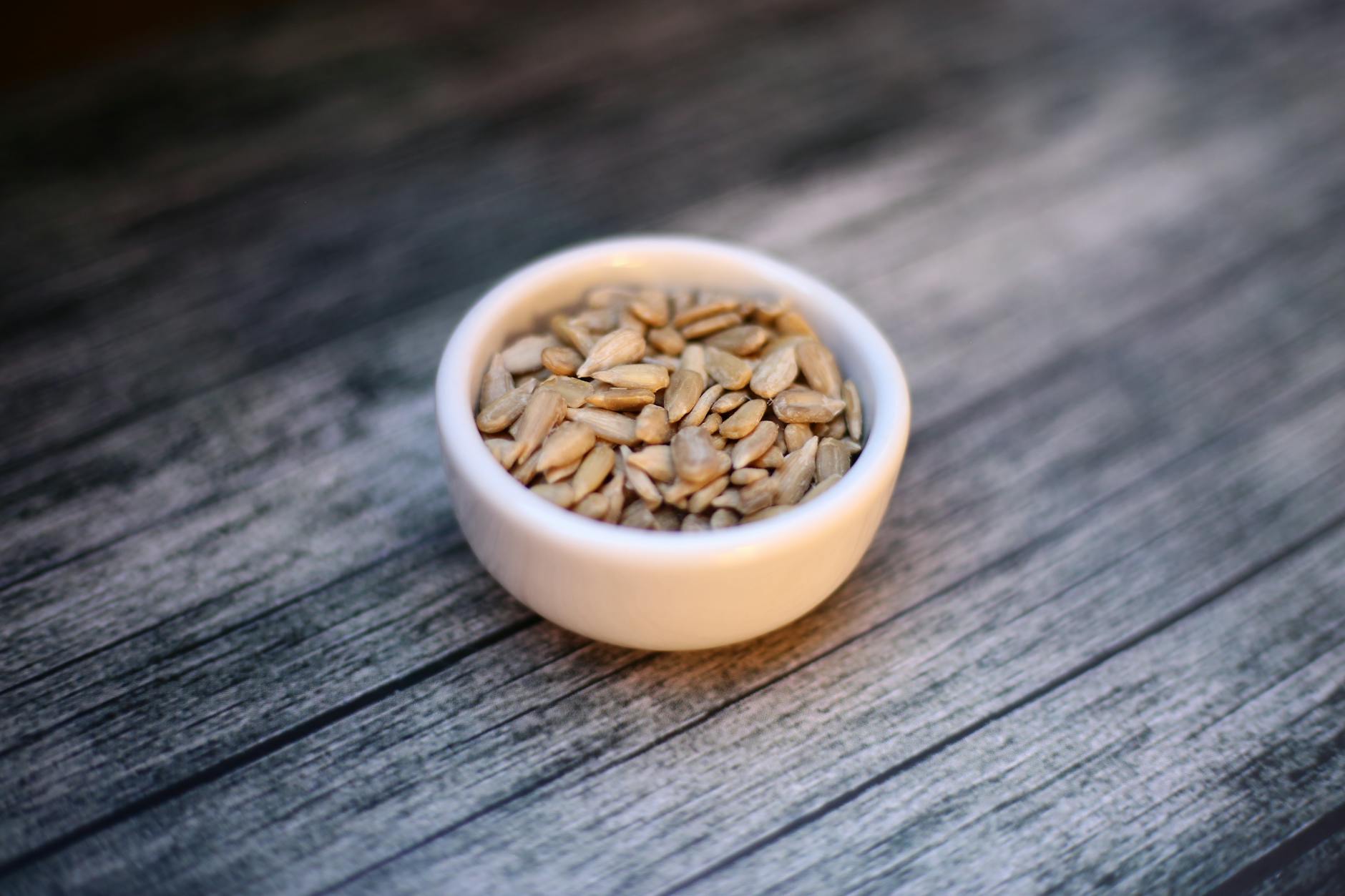
| Sunflower seeds, dried kernels | 7.06 | 30 g (1/4 cup) | 2.12 |
| Salmon, Atlantic, wild, cooked | 1.66 | 100 g fillet | 1.66 |
| Mushrooms, white, raw | 1.49 | 70 g (1 cup sliced) | 1.04 |
| Egg, whole, hard-boiled | 1.40 | 50 g (1 large) | 0.70 |
| Avocado, raw | 1.39 | 150 g (1 medium) | 2.09 |
| Oats, rolled, dry | 1.35 | 40 g (1/2 cup dry) | 0.54 |
| Chicken breast, roasted, no skin | 0.97 | 85 g (3 oz) | 0.82 |
| Sweet potato, baked with skin | 0.88 | 150 g (1 medium) | 1.32 |
| Lentils, cooked | 0.64 | 200 g (1 cup) | 1.28 |
| Broccoli, raw | 0.57 | 90 g (1 cup chopped) | 0.51 |
| Yogurt, plain, whole milk | 0.39 | 245 g (1 cup) | 0.96 |
| Milk, whole, 3.25% fat | 0.36 | 240 g (1 cup) | 0.86 |
| Brown rice, cooked | 0.28 | 200 g (1 cup) | 0.56 |
Three observations from running this query:
- Beef liver dominates per-serving density. A 3-ounce serving of cooked beef liver supplies ~6 mg, exceeding the adult AI in a single portion. This is consistent with NIH ODS data and is one reason traditional cuisines that included liver weekly rarely showed B5 deficiency.
- Sunflower seeds are the strongest plant-only source per gram. A quarter-cup contributes ~2 mg, roughly 40 percent of the adult AI. For people who do not eat organ meats, sunflower seeds plus avocado plus a cup of yogurt easily covers the AI before the rest of the day’s meals.
- Mushrooms are the surprise. Dried shiitake values look enormous because dehydration concentrates the vitamin (B5 is heat-stable but water-soluble; drying preserves it). Even rehydrated shiitake retains a meaningful share. White button mushrooms at 1.49 mg/100 g are still respectable.
You can verify any of these values by querying USDA FoodData Central directly at fdc.nal.usda.gov and filtering for nutrient 1058. The dataset is free and updated periodically by the USDA Agricultural Research Service.
Engineering Note: How USDA FDC Stores Pantothenic Acid
If you use the FDC API yourself, here are the technical specifics I confirmed while building HealthSavvyGuide:
- Nutrient ID: 1058
- Nutrient name: Pantothenic acid
- Unit: mg
- Datasets covered: Foundation Foods, SR Legacy, FNDDS (Food and Nutrient Database for Dietary Studies). Branded foods data sets often omit it because manufacturers are not required to report B5 on US Nutrition Facts panels.
- Analytical methods used: Microbiological assay with Lactobacillus plantarum remains the historical reference; HPLC and LC-MS methods are increasingly common in newer Foundation Foods analyses.
- Common gotcha: Foods reporting zero for nutrient 1058 are usually missing a measurement, not actually devoid of the vitamin. The FDC dataset distinguishes “0.00” (analyzed and absent) from null (not analyzed) only in the Foundation Foods set.
One quirk worth noting: when I cross-referenced FDC with the USDA Branded Foods file, only ~3 percent of branded products carry a B5 value at all, because US labeling rules made declaration voluntary for vitamin B5 unless the manufacturer makes a specific claim. This is why ingredient-level estimation in nutrition apps almost always relies on raw food matches rather than branded matches for pantothenic acid.
Cooking and Storage Losses
Pantothenic acid is moderately heat-stable but water-soluble. According to NIH ODS and Mayo Clinic guidance, the practical retention numbers worth knowing are:
- Boiling vegetables: 30–50 percent of B5 leaches into cooking water if discarded. Steaming or microwaving preserves substantially more.
- Roasting and baking: Losses are typically under 20 percent for whole muscle meats and tubers.
- Freezing raw produce: Minimal effect on pantothenic acid; vitamin C drops far more under the same conditions.
- Canning and prolonged storage: Canned vegetables can lose 20–35 percent compared with fresh due to thermal processing plus syrup/brine leaching.
- Highly refined grains: Milling whole wheat to white flour removes the bran and germ, where most of the B5 sits. White rice retains roughly 30–40 percent of brown rice’s pantothenic acid value before any cooking step.
For someone trying to keep B5 intake steady, the practical rule is the same one most dietitians offer for water-soluble vitamins: prefer steaming over boiling, keep cooking water for soups when possible, and lean toward whole grains rather than highly refined ones.
Pantothenic Acid Deficiency: What the Literature Reports
Because pantothenic acid is found in nearly every food group, isolated dietary deficiency is uncommon in well-fed populations. The NIH ODS notes that the only documented cases of pantothenic acid deficiency in humans came from severe, prolonged malnutrition or from controlled experimental studies in the 1950s using deficient diets and metabolic antagonists.
The signs reported in the published deficiency literature include:
- Numbness or burning sensation in the feet (the historical “burning feet syndrome” documented in WWII prisoners of war on severely restricted diets)
- Headaches, fatigue, and irritability
- Sleep disturbances
- Gastrointestinal complaints, including nausea
- Reduced antibody production (in experimental settings)
Important medical disclaimer: The symptoms above are nonspecific and overlap with dozens of other conditions ranging from anemia and thyroid disorders to anxiety and sleep apnea. A symptom checklist is not a diagnostic tool. If you experience persistent numbness, fatigue, or sleep disturbance, the appropriate step is to see a qualified healthcare provider for evaluation. Vitamin status, when relevant, is determined by laboratory testing — not by self-assessment.
The Mayo Clinic page on pantothenic acid and the NHS guidance on B vitamins both reinforce that supplementation in healthy adults eating varied diets is rarely necessary, and that any decision to supplement should be made with a clinician, especially when other medications are involved.
Populations Reported to Be at Higher Risk
The NIH ODS fact sheet identifies a small number of groups where pantothenic acid status warrants more attention. Reproducing those categories without medicalising them:
- People with severe malnutrition from any cause, including eating disorders or chronic alcohol use disorder.
- People with mutations in the PANK2 gene (pantothenate kinase-associated neurodegeneration), a rare inherited condition in which the body cannot properly use pantothenic acid. This is a clinical condition managed by specialists.
- People on long-term parenteral nutrition without adequate B5 supplementation.
- People with chronic inflammatory bowel disease or extensive small-bowel resection where general micronutrient absorption may be impaired.
None of these are self-diagnosable from internet content. If any apply to you, that is a conversation with a registered dietitian or physician, not a search engine.
Practical Daily B5 Targets Without Supplements
Putting the USDA data together, here are three sample non-prescriptive food combinations that meet or exceed the 5 mg adult AI for pantothenic acid. These are illustrative — they are not meal plans, and they are not personalised dietary advice.
Pattern A — omnivore: 1 cup whole-milk yogurt at breakfast (0.96 mg) + 1 hard-boiled egg (0.70 mg) + 3 oz roasted chicken breast at lunch (0.82 mg) + 1 medium baked sweet potato (1.32 mg) + 1 cup cooked lentils at dinner (1.28 mg) = ~5.08 mg.
Pattern B — pescatarian: 100 g cooked salmon (1.66 mg) + 1 medium avocado (2.09 mg) + 1 cup sliced white mushrooms (1.04 mg) + 1/4 cup sunflower seeds (2.12 mg) = ~6.91 mg.
Pattern C — plant-forward: 1 cup cooked oats with 1/4 cup sunflower seeds (0.54 + 2.12 = 2.66 mg) + 1 medium avocado on toast (2.09 mg) + 1 cup cooked lentils with broccoli (1.28 + 0.51 = 1.79 mg) = ~6.54 mg.
Each pattern clears the adult AI without organ meats and without supplements. Whether any of these is appropriate for a specific person depends on caloric needs, allergies, health conditions, and dozens of other factors — which is why dietitians, not articles, design real meal plans.
Frequently Asked Questions
Is pantothenic acid the same as vitamin B5?
Yes. The names are interchangeable in nutrition labelling and clinical literature. The biologically active forms in the body are coenzyme A and 4’-phosphopantetheine.
Does cooking destroy vitamin B5?
Pantothenic acid is moderately heat-stable but water-soluble. Boiling and discarding cooking water causes the largest losses (30–50 percent in vegetables). Steaming, microwaving, and roasting preserve more.
Can I get enough B5 on a vegan diet?
USDA FDC data suggests yes — sunflower seeds, avocados, mushrooms, lentils, oats, and broccoli together routinely cover the adult AI. The NIH ODS does not list vegans as a high-risk group for B5 deficiency. Other nutrients (B12, iron, omega-3 ALA/EPA/DHA, iodine) usually warrant more attention on plant-only diets.
Do I need a B5 supplement?
Per Mayo Clinic and NHS guidance, most healthy adults eating varied diets do not. Supplementation may be appropriate in specific clinical situations identified by a healthcare provider. There is no Tolerable Upper Intake Level for B5, but that is not the same as endorsing megadoses.
Is calcium pantothenate the same as pantothenic acid?
Calcium pantothenate is a stable salt form used in supplements and fortified foods. The body absorbs it as pantothenic acid. It carries the same nutrient ID 1058 in USDA FDC for fortified branded products that report it.
Why does my supplement say “500 mg” if the AI is only 5 mg?
Many B5 supplements are sold at supraphysiological doses for cosmetic or anecdotal reasons (skin and hair claims). The NIH ODS does not endorse those claims and notes the evidence is limited. Discuss any supplement above the AI with a clinician, particularly if you take other medications.
Summary
Vitamin B5 lives up to its etymology — “everywhere” in the food supply, present in over 92 percent of the foods I have indexed from USDA FDC. The adult AI is 5 mg/day, easily reached by combining one or two of the higher-density foods (beef liver, sunflower seeds, salmon, avocado, mushrooms, lentils) with a normal varied diet. Cooking losses are real but manageable: steam rather than boil where you can, and keep cooking water for soups. Isolated dietary deficiency is rare in healthy adults; the conditions associated with B5 deficiency are clinical situations managed by specialists, not self-diagnosable from a checklist.
If you want to verify any number in this article, USDA FoodData Central is free, public, and authoritative. Search for nutrient ID 1058 and the data is yours to inspect.
Medical disclaimer: This article is for informational purposes only and is not medical advice. The nutrient values are aggregated from USDA FoodData Central. The author is a software engineer building data aggregators on top of USDA FDC, not a dietitian, nutritionist, or medical professional. Consult a qualified healthcare provider for personalised guidance about diet, supplements, or any health condition.
Sources: USDA FoodData Central (fdc.nal.usda.gov, nutrient ID 1058); NIH Office of Dietary Supplements, “Pantothenic Acid” fact sheet for health professionals; Mayo Clinic, “Pantothenic Acid (Vitamin B-5) Oral Route”; NHS, “Vitamins and Minerals: B Vitamins and Folic Acid.” Image source: Pexels (royalty-free).
Found this helpful?
Subscribe to our newsletter for more in-depth reviews and comparisons delivered to your inbox.