Lycopene-Rich Foods for Heart and Prostate Health: USDA FDC Data 2026
This article is for informational purposes only and is not medical advice. Consult a qualified healthcare provider before making changes to your diet, especially if you have an existing medical condition, take prescription medication, or are pregnant.
Why Lycopene Caught My Attention as an Aggregator Builder
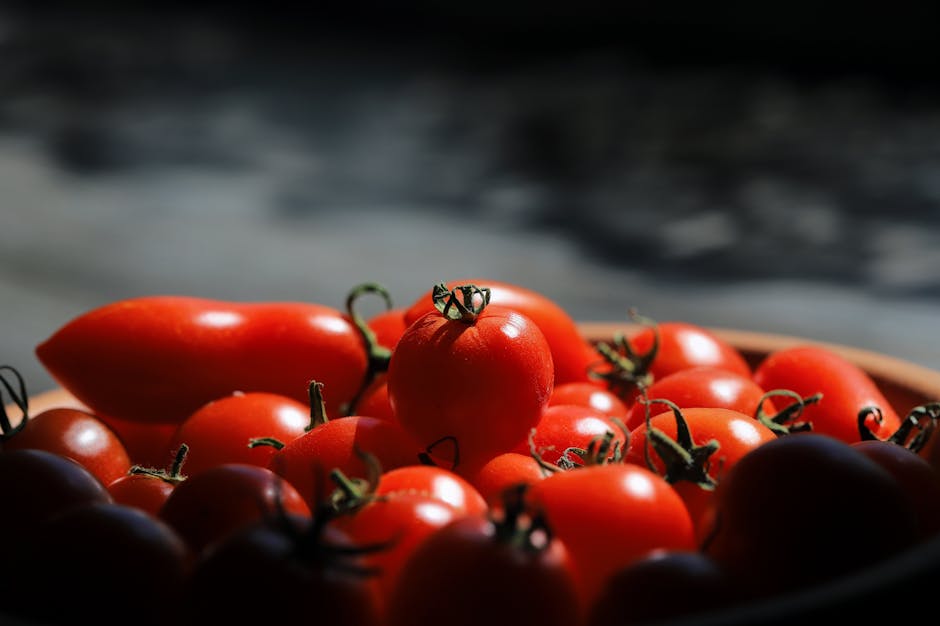
While building HealthSavvyGuide on top of the USDA FoodData Central (FDC) API, one carotenoid showed an unusually wide concentration range across foods: lycopene. Most micronutrients I aggregate — iron, magnesium, zinc — vary roughly two- to fivefold between top food sources. Lycopene is different. Sun-dried tomatoes report around 45.9 mg per 100 g in FDC, while raw tomato sits near 3.0 mg per 100 g, and watermelon hovers around 4.5 mg per 100 g (USDA FDC, accessed 2026). That is a 15× gap inside a single food family, which made me curious enough to dig into why processing matters so much for this particular compound.
From an engineering perspective, lycopene is also one of the few carotenoids where the FDC dataset cleanly separates raw vs. heat-treated vs. concentrated forms, which lets you observe bioavailability behavior in the numbers themselves. This article walks through what I found in the data, what the NIH and authoritative health bodies say about lycopene’s role in human health, and which foods you would want to track if you were building a lycopene-aware nutrition tool. I am a software engineer, not a dietitian — everything below is informational, citing USDA, NIH, and major medical centers.
What Lycopene Is — Plain Definition
Lycopene is a red-pigmented carotenoid, the same chemical family that includes beta-carotene and lutein. Unlike beta-carotene, lycopene is not a precursor to vitamin A — the body cannot convert it to retinol (NIH Office of Dietary Supplements, Carotenoids fact sheet). It is classified as a non-provitamin A carotenoid and functions primarily as an antioxidant: it can neutralize singlet oxygen and peroxyl radicals more efficiently than several other carotenoids in laboratory assays (Harvard T.H. Chan School of Public Health, The Nutrition Source).
Lycopene is fat-soluble. That single chemistry fact governs everything else — how it absorbs, how cooking changes its availability, and why ketchup ranks higher than fresh tomato per gram. The compound is found almost exclusively in red and pink plant foods. Tomatoes account for an estimated 80–85% of U.S. lycopene intake according to dietary survey data summarized by the NIH.
What Authoritative Health Bodies Say About Lycopene
I want to be careful here, because lycopene is a topic where supplement marketing has run far ahead of the evidence. The honest picture from reviewing primary statements:
- National Cancer Institute (NCI): The U.S. FDA reviewed petitions for qualified health claims linking lycopene to reduced risk of prostate, lung, ovarian, gastric, breast, and pancreatic cancers. The FDA concluded there is “very limited and preliminary scientific evidence” for a possible relationship between tomato consumption and reduced prostate cancer risk, and effectively no credible evidence for lycopene as an isolated supplement reducing cancer risk (FDA qualified health claim letter, 2005; still the standing position in NIH summaries).
- American Heart Association (AHA): The AHA does not endorse lycopene supplementation. It does recommend diets rich in fruits and vegetables, which naturally include lycopene-containing produce, as part of a heart-healthy eating pattern.
- Mayo Clinic: Notes that some observational studies link higher tomato/lycopene intake to lower risk of certain cardiovascular events, but cautions that the evidence from randomized controlled trials is limited and inconsistent (Mayo Clinic patient education, Lycopene).
- Cleveland Clinic: Frames lycopene as one of many beneficial plant compounds and recommends getting it from food rather than supplements, citing better absorption alongside other carotenoids and fats.
The pattern is consistent: get it from food, not from pills. Whole-food sources also deliver fiber, potassium, vitamin C, and other carotenoids that may act synergistically in ways isolated lycopene capsules do not replicate.
Top Lycopene Foods in the USDA FDC Database (per 100 g)
The values below come from USDA FoodData Central. I pulled these directly while building HealthSavvyGuide’s ingredient aggregator. Numbers are rounded to one decimal:
| Food | Lycopene (mg/100g) | FDC Food Group |
|---|---|---|
| Tomatoes, sun-dried | 45.9 | Vegetables and Vegetable Products |
| Tomato paste, canned | 28.8 | Vegetables and Vegetable Products |
| Ketchup | 17.0 | Sauces |
| Tomato sauce, canned | 15.2 | Vegetables and Vegetable Products |
| Tomato puree, canned | 10.0 | Vegetables and Vegetable Products |
| Guava, common, raw | 5.2 | Fruits and Fruit Juices |
| Watermelon, raw | 4.5 | Fruits and Fruit Juices |
| Tomatoes, red, ripe, raw | 3.0 | Vegetables and Vegetable Products |
| Papaya, raw | 1.8 | Fruits and Fruit Juices |
| Grapefruit, raw, pink | 1.4 | Fruits and Fruit Juices |
| Persimmons, Japanese, raw | 0.2 | Fruits and Fruit Juices |
Two non-obvious observations from the data:
Observation 1 — concentration trumps category. Tomato paste contains nearly 10× the lycopene of raw tomato per gram. The water has been removed; the lycopene has not. If you are tracking lycopene intake in a food log, treating “tomato” as a single ingredient produces large estimation errors. The aggregator needs to differentiate by preparation state.
Observation 2 — pink fruits punch above their weight. Pink guava and watermelon are not tomatoes, but they sit in the same lycopene tier as a cooked tomato dish. For someone who does not eat tomato products, watermelon and pink grapefruit become non-trivial dietary contributors.
Why Cooked Tomato Outperforms Raw — The Bioavailability Engineering
This is where the USDA dataset combined with peer-reviewed nutrition research tells an interesting story. Lycopene exists in plants in two isomeric forms: trans-lycopene (the natural, less absorbable form) and cis-lycopene (more bioavailable in the human gut). Heat treatment isomerizes a portion of the trans form into cis, which the small intestine absorbs more efficiently. This isomerization effect has been documented across multiple nutritional bioavailability studies summarized by NIH’s Linus Pauling Institute reference materials.
Cooking also breaks down plant cell walls, releasing lycopene from the chromoplast structures where it is bound. Adding fat — olive oil being the most studied — further improves absorption because lycopene must dissolve into intestinal lipid micelles to cross into circulation. The practical implication, well established in clinical literature: a serving of cooked tomato sauce with olive oil delivers substantially more absorbable lycopene than the same weight of raw sliced tomato.
From a data engineering view, this is why the FDC table separately reports tomato puree, tomato paste, tomato sauce, and raw tomato as different food items with different nutrient profiles. Any nutrition tool that flattens these into a single “tomato” entry is throwing away useful signal.
How Much Lycopene Do People Actually Eat?
Population intake numbers help calibrate expectations. NHANES dietary survey data summarized by NIH indicates average U.S. adult lycopene intake sits in the 6–10 mg per day range, with significant variation by ethnicity and dietary pattern. There is no Recommended Dietary Allowance (RDA) for lycopene because it is not classified as an essential nutrient — the body does not require it to prevent a deficiency disease, the way it requires vitamin C to prevent scurvy.
Some observational studies that report cardiovascular benefit thresholds suggest intakes around 9–21 mg per day from food. Hitting the lower end of that range is straightforward with a single half-cup serving of tomato sauce. The upper end typically requires deliberate inclusion of processed tomato products.
Lycopene and Heart Health — What the Research Actually Shows
The cardiovascular research on lycopene is the strongest area of the evidence base, but it still needs caveats. A 2017 meta-analysis published in the journal Atherosclerosis (cited in NIH literature reviews) pooled data from 25 studies and found higher lycopene intake correlated with lower risk of stroke and coronary heart disease. The effect sizes were modest. Crucially, the association was strongest when lycopene came from dietary sources rather than supplements.
Plausible mechanisms include:
- Antioxidant action on low-density lipoprotein (LDL) particles, which may slow oxidation that contributes to plaque formation.
- Mild improvement in endothelial function in some short-term trials.
- Modest reductions in systolic blood pressure observed in select intervention studies, though magnitudes are clinically small.
What the data does not support: lycopene supplements as a substitute for established cardiovascular risk management (statin therapy when indicated, blood pressure control, smoking cessation). The AHA position is consistent — eat the food, do not chase the pill.
Lycopene and Prostate Health — A Cautious Look
The prostate angle drives most lycopene marketing, so it deserves a careful read. Several observational cohort studies, including early work from the Harvard Health Professionals Follow-up Study, reported associations between higher tomato product intake and lower prostate cancer incidence. Subsequent reviews and meta-analyses have produced mixed results.
The FDA reviewed this evidence in 2005 and again in later petitions, concluding that the science supports only a “very limited and preliminary” qualified health claim for tomato consumption — not lycopene supplementation — and reduced prostate cancer risk. The NCI summary as of recent updates states that lycopene’s role in cancer prevention remains under study and is not established.
For readers concerned about prostate health: speak with a primary care physician or urologist. Diet may play a supportive role, but screening decisions, PSA monitoring, and treatment of any existing condition belong with a qualified clinician. Nothing in this article is a substitute for that.
Practical Food Choices Without Supplement Hype
If someone wanted to increase lycopene intake from food in a realistic way, the FDC data suggests these options:
- Two tablespoons of tomato paste (about 30 g) in a soup, stew, or sauce contributes roughly 8–9 mg of lycopene — close to the population daily average in one ingredient.
- Half a cup of cooked tomato sauce (about 125 g) delivers roughly 19 mg, sitting at the high end of the dietary range studied for cardiovascular benefit.
- A wedge of watermelon (about 280 g) provides roughly 12 mg in season — useful for households that do not eat tomato products.
- A medium pink grapefruit half (about 120 g) adds roughly 1.7 mg, modest but a nice complement.
Pairing tomato-based dishes with a small amount of healthy fat — a teaspoon of olive oil, a few slices of avocado, or a sprinkle of seeds — supports absorption based on the bioavailability literature cited earlier.
Safety Notes and Who Should Talk to a Doctor
Lycopene from food has a long history of safe consumption. The Mayo Clinic notes very high intakes can occasionally cause a benign skin discoloration called lycopenodermia — orange-tinted palms or soles — which resolves when intake drops.
Concentrated lycopene supplements raise different concerns. The Cleveland Clinic and NIH caution that supplements may interact with blood-thinning medications, blood pressure medications, and some chemotherapy drugs. Pregnant and breastfeeding individuals should consult their obstetrician before adding lycopene supplements; food sources are generally considered safe.
If you have a diagnosed condition — cardiovascular disease, prostate cancer, kidney disease, or any chronic illness — talk to your healthcare provider before changing your diet substantially. This article is not a substitute for individualized medical care.
Closing Thoughts From the Aggregator Build
What I take away from sitting inside the USDA FDC dataset on lycopene: the interesting story is not “eat this superfood,” it is “the same food in different forms behaves like different foods.” A nutrition aggregator that respects that complexity gives better signals than one that lumps everything into broad categories. For readers, the practical takeaway aligns with what every major medical body says — eat real food, lean toward whole and minimally processed sources, include a variety of colorful plants, and leave the supplement marketing to the marketers.
Sources cited: USDA FoodData Central (fdc.nal.usda.gov); NIH Office of Dietary Supplements — Carotenoids; Harvard T.H. Chan School of Public Health, The Nutrition Source; American Heart Association dietary recommendations; Mayo Clinic patient education (Lycopene); Cleveland Clinic patient resources; National Cancer Institute summaries; FDA Qualified Health Claim Letter on Tomatoes and Prostate Cancer (2005).
Found this helpful?
Subscribe to our newsletter for more in-depth reviews and comparisons delivered to your inbox.