Iron Deficiency: Early Warning Signs and High-Iron Foods the USDA Data Reveals
Medical Disclaimer: This article is for informational purposes only and is not medical advice. It does not substitute for professional medical diagnosis, advice, or treatment. Always consult a qualified healthcare provider before making any changes to your diet or health routine. If you suspect iron deficiency or anemia, seek medical evaluation promptly.
Building HealthSavvyGuide on the USDA FoodData Central API means I spend a lot of time staring at nutrient records. When I started aggregating mineral data across 1,400+ foods, iron stood out immediately — not because of its values, but because of how wildly it varies between food types and how few people seem to understand what those numbers actually mean for their daily life.
Iron deficiency is the single most common nutritional deficiency worldwide. The World Health Organization estimates it affects roughly 2 billion people globally. In the United States, the CDC reports that iron deficiency is the leading cause of anemia, particularly among women of childbearing age, toddlers, and pregnant individuals. Yet it often goes unrecognized for months because its symptoms develop gradually and can be mistaken for everyday tiredness.
This post breaks down the early warning signs, the actual USDA data on iron-rich foods (with FDC IDs so you can verify), and the key distinction between heme and non-heme iron that determines how much your body actually absorbs.
Why Iron Matters: The Short Version
Iron is a critical component of hemoglobin, the protein in red blood cells that carries oxygen from your lungs to every tissue in your body. Without adequate iron, your body can't produce enough healthy red blood cells, which means your organs receive less oxygen. This is the biological mechanism behind most iron deficiency symptoms.
Iron also plays a role in myoglobin (which stores oxygen in muscle tissue), DNA synthesis, and immune cell function. The National Institutes of Health (NIH) Office of Dietary Supplements notes that iron is involved in energy metabolism and neurological development, making it especially critical during pregnancy, infancy, and early childhood.
Early Signs of Iron Deficiency
The challenge with iron deficiency is that early-stage symptoms are vague. Most people don't connect fatigue or pale skin to a mineral shortage until deficiency has progressed. Here are the signs that commonly appear before a formal diagnosis:
1. Persistent Fatigue and Low Energy
This is the most frequently reported symptom. When iron levels drop, hemoglobin production falls, and cells don't receive oxygen efficiently. The result is a bone-deep tiredness that isn't fixed by sleep. If you feel consistently drained despite 7–9 hours of rest, iron is worth investigating.
2. Pallor — Pale Skin, Pale Gums, Pale Inner Eyelids
Skin and mucous membranes get their color partly from the red blood cells moving through them. When red blood cell count drops, these areas can look washed out. Clinicians often check the inner lower eyelid (the conjunctiva) as a quick visual screen — a pale pink or white color there is notable.
3. Shortness of Breath During Ordinary Activity
Climbing a flight of stairs shouldn't leave you winded. When your blood carries less oxygen, your lungs have to work harder to compensate. This shows up as unusual breathlessness during activities that used to feel effortless.
4. Cold Hands and Feet
Poor circulation linked to reduced red blood cell production often manifests as chronically cold extremities. If your hands and feet are consistently cold even in warm conditions, it's a signal worth noting.
5. Headaches and Dizziness
Reduced oxygen delivery to the brain can trigger frequent headaches and lightheadedness, particularly when standing up quickly (orthostatic hypotension).
6. Brittle Nails and Hair Loss
Iron is involved in the production of cells that support hair and nail growth. Brittle nails that crack or break easily, or nails that develop a concave (spoon-shaped) appearance — called koilonychia — can signal deficiency. Increased hair shedding is another reported symptom, according to research published in the Journal of Korean Medical Science.
7. Unusual Food Cravings (Pica)
Pica is the craving for non-food substances like ice, dirt, clay, or chalk. While the exact mechanism isn't fully understood, pica — especially the craving for ice (pagophagia) — is strongly associated with iron deficiency anemia. If you find yourself chewing ice compulsively, it's a specific red flag to discuss with a doctor.
8. Restless Legs at Night
The Mayo Clinic notes an established link between iron deficiency and restless leg syndrome (RLS) — an uncomfortable urge to move your legs, particularly at rest or during sleep. Low iron levels in the brain may impair dopamine function in ways that contribute to RLS.
What the USDA FoodData Central Data Shows About Iron in Foods
One of the interesting things I noticed while engineering the food aggregation layer for HealthSavvyGuide is how dramatically iron content varies — not just between food categories, but within them. The USDA FoodData Central database has iron values expressed as mg per 100g of food, which makes direct comparisons possible.
Here are iron values pulled directly from the FDC database:
| Food | Iron (mg/100g) | FDC ID | Type |
|---|---|---|---|
| Pumpkin seeds (pepitas), raw | 8.36 | 2515380 | Non-heme |
| Oysters, eastern, cooked | 6.95 | 171979 | Heme |
| Beef liver, raw | 4.90 | 169451 | Heme |
| White beans, cooked | 3.70 | 175249 | Non-heme |
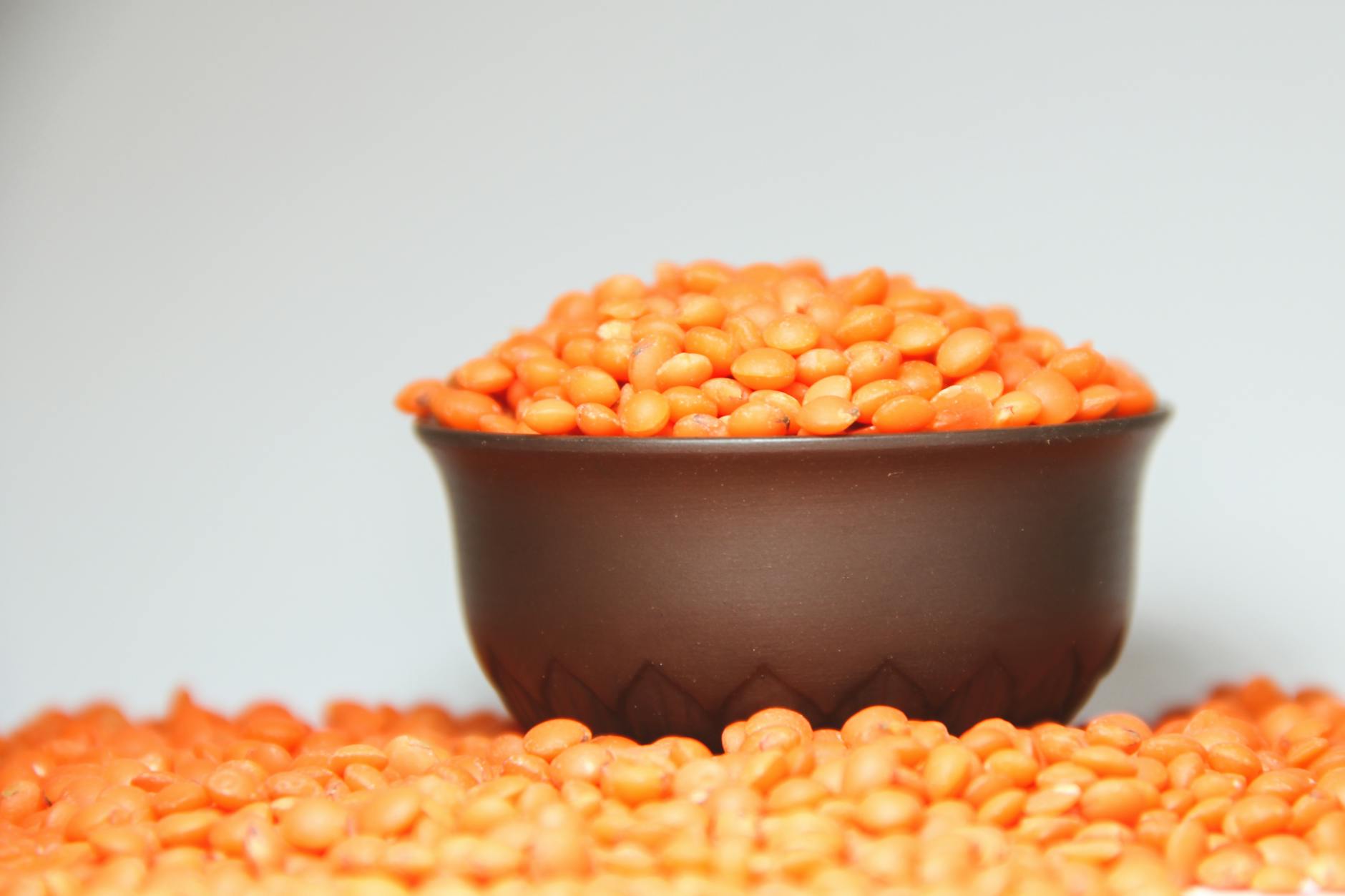
| Lentils, cooked | 3.33 | 175254 | Non-heme |
| Chickpeas (garbanzo beans), cooked | 2.89 | 173799 | Non-heme |
| Spinach, raw | 2.71 | 168462 | Non-heme |
| Dark chocolate (70%+) | 2.13 | 169592 | Non-heme |
| Firm tofu | 1.69 | 173788 | Non-heme |
| Quinoa, cooked | 1.49 | 168917 | Non-heme |
From an engineering standpoint, what strikes me about this data is how it challenges common assumptions. Pumpkin seeds clock in at 8.36 mg per 100g — higher per gram than beef liver (4.9 mg). Yet when I mapped this against bioavailability data, the picture shifts significantly.
Heme vs. Non-Heme Iron: Why Absorption Rates Matter More Than Raw Numbers
The USDA database records total iron content, but it doesn't capture absorption rates — and this is where the data requires important context.
There are two forms of dietary iron:
- Heme iron — found in animal products (meat, fish, poultry, shellfish). Absorption rate: approximately 15–35%.
- Non-heme iron — found in plants, legumes, fortified foods, and dairy. Absorption rate: approximately 2–20%, and highly variable based on what else you eat in the same meal.
This means that while pumpkin seeds have more iron per 100g than beef liver, your body absorbs a smaller proportion of it. The NIH Office of Dietary Supplements explains that non-heme iron absorption is strongly influenced by enhancers and inhibitors present in the same meal.
What Boosts Non-Heme Iron Absorption
- Vitamin C (ascorbic acid) — One of the most well-established absorption enhancers. Adding a vitamin C source (citrus juice, bell peppers, tomatoes, strawberries) to a plant-based iron meal can increase absorption by 2 to 3 times, according to research published in the American Journal of Clinical Nutrition.
- Heme iron in the same meal — Eating meat alongside plant-based iron sources boosts absorption of the non-heme iron.
What Reduces Non-Heme Iron Absorption
- Calcium — Dairy products consumed in the same meal can inhibit iron absorption. This doesn't mean avoid calcium; it means strategic timing matters.
- Phytates — Found in whole grains, legumes, and seeds. Soaking and cooking legumes reduces phytate content somewhat.
- Polyphenols — Found in tea, coffee, and red wine. Drinking tea or coffee with or immediately after an iron-rich meal noticeably inhibits non-heme absorption. The Harvard T.H. Chan School of Public Health recommends waiting at least an hour after eating before having coffee or tea if you're trying to improve iron absorption.
- Calcium supplements — If you take calcium supplements, timing them away from iron-rich meals helps avoid interference.
Who Is Most at Risk
The CDC identifies several groups with elevated risk for iron deficiency:
- Women of childbearing age — Menstrual blood loss significantly increases iron requirements. The NIH recommends 18 mg/day for women aged 19–50, compared to 8 mg/day for men in the same age range.
- Pregnant individuals — Iron requirements nearly double during pregnancy (27 mg/day) to support fetal development and increased blood volume.
- Infants and toddlers aged 6–24 months — Breast milk alone is low in iron after 6 months. The American Academy of Pediatrics recommends iron-containing complementary foods beginning at 6 months.
- Frequent blood donors — Donating blood removes roughly 225–250 mg of iron per donation, according to the American Red Cross.
- People with gastrointestinal conditions — Celiac disease, Crohn's disease, and other conditions affecting the small intestine impair iron absorption.
- Athletes, particularly distance runners — Foot-strike hemolysis (red blood cell destruction from repeated impact) and increased iron losses through sweat contribute to higher risk.
- People following vegetarian or vegan diets — Exclusively consuming non-heme iron with its lower absorption rate means higher dietary intake is needed to meet requirements.
The Practical Takeaway: Eating for Iron
Based on USDA nutrient data and established nutritional science, here's a practical summary of how to approach iron intake through food:
- Diversify your iron sources — Relying on one source is unnecessary. Lentils (3.33 mg/100g), white beans (3.70 mg/100g), and spinach (2.71 mg/100g) together cover significant ground for plant-based eaters.
- Pair non-heme sources with vitamin C — A lentil soup with tomatoes, or spinach salad with bell peppers and lemon dressing, systematically improves absorption without requiring supplements.
- Time your coffee and tea — This single habit change can make a meaningful difference if you're eating a predominantly plant-based diet.
- Don't overlook shellfish — Oysters at 6.95 mg/100g as heme iron are one of the most efficient iron sources in the USDA database, also providing zinc and B12.
- Consider pumpkin seeds as a practical snack — At 8.36 mg/100g, a 30g serving contributes roughly 2.5 mg iron. Pair with a vitamin C source and absorption improves further.
When to See a Doctor
Diet adjustments can support iron status, but they cannot replace medical evaluation. If you're experiencing several of the symptoms described above — persistent fatigue, pallor, unusual breathlessness — see a healthcare provider. A simple complete blood count (CBC) and serum ferritin test can confirm or rule out deficiency. Serum ferritin measures your iron stores and is considered the most sensitive indicator of iron deficiency, even before anemia develops.
If iron deficiency is confirmed, your doctor may recommend iron supplementation. The form, dose, and duration should be guided by a medical professional. Self-supplementing with high-dose iron without testing is not advised — excess iron is harmful and can cause gastrointestinal issues and, in rare cases, more serious complications.
A Note on the Engineering Angle
When I built the food comparison layer for HealthSavvyGuide using USDA FoodData Central, I added a nutrient-per-calorie column alongside the raw per-100g values. That reframe changes rankings significantly. Spinach, for instance, delivers 2.71 mg iron per 100g at only 23 calories — making it extremely iron-dense relative to its caloric cost. Beef liver comes in at 4.9 mg iron at 135 calories per 100g. Neither is "better" — they're complementary, and the absorption type difference matters more than the raw number for most people.
The USDA database has over 400,000 food records. Aggregating and normalizing them surfaces patterns that are genuinely useful when stripped of the noise. Iron is a good example: the data consistently shows that variety, pairing strategy, and timing matter more than fixating on any single food.
Key Takeaways
- Iron deficiency is the most common nutritional deficiency globally, affecting an estimated 2 billion people (WHO).
- Early symptoms include fatigue, pallor, breathlessness, cold extremities, brittle nails, and restless legs — all of which can develop gradually.
- USDA FoodData Central data shows wide variation in iron content: pumpkin seeds (8.36 mg/100g, FDC:2515380), oysters (6.95 mg/100g, FDC:171979), beef liver (4.90 mg/100g, FDC:169451), and lentils (3.33 mg/100g, FDC:175254) are standouts.
- Heme iron (animal sources) absorbs at 15–35%; non-heme iron (plant sources) absorbs at 2–20%, strongly influenced by meal composition.
- Pairing vitamin C with non-heme iron sources can increase absorption 2–3x.
- Avoid coffee and tea immediately after iron-rich meals.
- If you suspect deficiency, consult a healthcare provider for testing. Don't self-supplement high-dose iron without medical guidance.
Sources: World Health Organization — Iron Deficiency Anaemia; CDC — Iron Deficiency — United States; NIH Office of Dietary Supplements — Iron Fact Sheet; Harvard T.H. Chan School of Public Health — The Nutrition Source: Iron; Mayo Clinic — Restless Legs Syndrome; American Journal of Clinical Nutrition — Enhancers of Iron Absorption; USDA FoodData Central (fdc.nal.usda.gov).
Medical Disclaimer: This article is for informational purposes only and does not constitute medical advice, diagnosis, or treatment. The information presented is based on publicly available nutritional data and research. Always consult a qualified healthcare provider or registered dietitian before making significant dietary changes, especially if you have existing health conditions or suspect nutritional deficiency.
Found this helpful?
Subscribe to our newsletter for more in-depth reviews and comparisons delivered to your inbox.