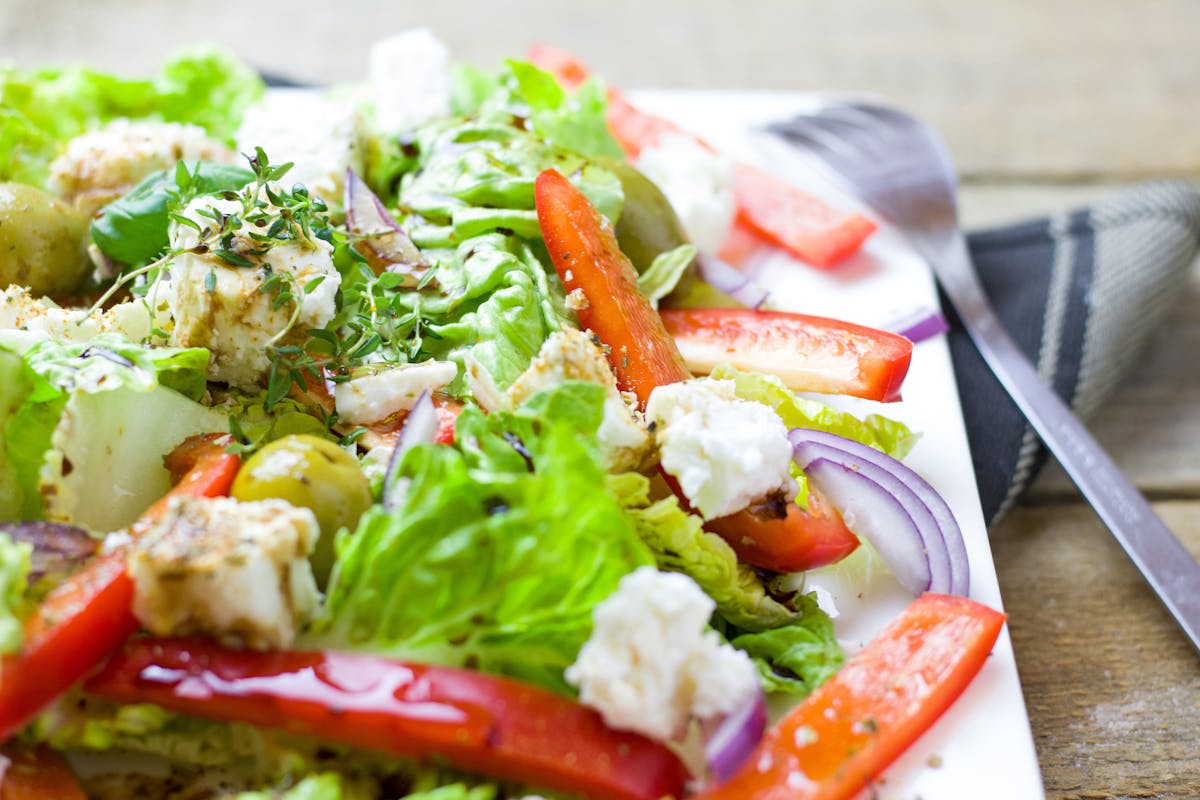
Anti-Inflammatory Diet: What Science Actually Says About Food and Chronic Inflammation
Anti-Inflammatory Diet: What Science Actually Says About Food and Chronic Inflammation
This article is for informational purposes only and is not medical advice. It does not substitute for professional medical consultation, diagnosis, or treatment. Always consult a qualified healthcare provider before making significant changes to your diet, especially if you have a chronic health condition, take medications, or are pregnant or nursing.
Inflammation has become one of the most talked-about topics in health circles — and for good reason. Chronic, low-grade inflammation is now recognized by researchers as a contributing factor in a wide range of conditions, from heart disease and type 2 diabetes to certain autoimmune disorders and even depression. But between social media trends and supplement marketing, separating fact from hype can feel impossible.
This article breaks down what the current science actually says about inflammation, which foods are most supported by research, and how to build eating habits that may help your body maintain a healthier inflammatory balance — without requiring an expensive overhaul of your grocery list.
What Is Chronic Inflammation — and Why Does It Matter?
Inflammation itself is not the enemy. Acute inflammation is a normal, protective immune response. When you cut your finger or catch a cold, your immune system triggers inflammation to fight infection and begin healing. This type of short-term inflammation is essential.
The problem arises with chronic, low-grade inflammation — a state where the immune system stays in a low-level alert for weeks, months, or years. Unlike acute inflammation, this kind often produces no obvious symptoms, yet it quietly places stress on tissues and organs over time.
According to the National Institutes of Health (NIH), chronic inflammation is linked to conditions including:
- Cardiovascular disease
- Type 2 diabetes
- Metabolic syndrome
- Certain cancers
- Rheumatoid arthritis and other autoimmune conditions
- Alzheimer's disease and cognitive decline
- Depression and anxiety (via the gut-brain axis and inflammatory cytokines)
Common drivers of chronic inflammation include poor diet quality, excess body fat (particularly visceral fat), physical inactivity, chronic stress, poor sleep, smoking, and environmental toxins. Diet is one of the few drivers you can adjust directly — which is why research into "anti-inflammatory eating" has grown significantly over the past two decades.
What the Research Says About Diet and Inflammation
No single food causes or cures inflammation. What researchers study instead is the overall dietary pattern — the combination of foods eaten regularly over time.
The most rigorously studied eating pattern in this space is the Mediterranean diet. Multiple large-scale observational studies and several randomized controlled trials have found associations between Mediterranean-style eating and lower markers of systemic inflammation, including C-reactive protein (CRP), interleukin-6 (IL-6), and tumor necrosis factor-alpha (TNF-α).
A landmark study published in The New England Journal of Medicine — the PREDIMED trial — found that adults at high cardiovascular risk who followed a Mediterranean diet supplemented with extra-virgin olive oil or nuts showed reduced cardiovascular events compared to those on a low-fat diet. Inflammation reduction was cited as one likely mechanism.
The Harvard T.H. Chan School of Public Health notes that diets high in refined carbohydrates, processed meats, fried foods, margarine, and sugary beverages tend to be associated with higher inflammatory markers in blood tests — while diets rich in vegetables, fruits, whole grains, legumes, fatty fish, and olive oil show the opposite trend.
It's worth noting that most anti-inflammatory diet research relies on biomarkers (blood tests measuring inflammatory proteins) and observational data. This means we have strong associations, but establishing direct causation remains an ongoing area of research.
Foods Most Supported by Research
1. Fatty Fish (Salmon, Sardines, Mackerel, Trout)
Fatty fish are among the most evidence-backed anti-inflammatory foods. They are rich in omega-3 fatty acids — specifically EPA (eicosapentaenoic acid) and DHA (docosahexaenoic acid). These omega-3s are precursors to compounds called resolvins and protectins, which help resolve inflammation in the body.
The American Heart Association recommends eating at least two servings of fatty fish per week, largely for cardiovascular benefits — many of which are linked to their anti-inflammatory properties. Aim for wild-caught varieties when available, as they tend to have a more favorable omega-3 to omega-6 ratio.
2. Extra-Virgin Olive Oil
Extra-virgin olive oil (EVOO) contains a phenolic compound called oleocanthal, which has been shown in laboratory studies to inhibit the same inflammatory pathways as ibuprofen — though at much lower potency and through different mechanisms. It also contains oleic acid, a monounsaturated fat associated with reduced CRP levels.
Research from the PREDIMED trial found that participants assigned to the Mediterranean diet with EVOO had notably lower levels of inflammatory markers than control groups. Use it as your primary cooking oil for sautéing (it's stable at moderate heat), and in dressings.
3. Leafy Greens and Cruciferous Vegetables
Vegetables like spinach, kale, Swiss chard, broccoli, Brussels sprouts, and cauliflower are dense in polyphenols, carotenoids, and vitamin K, all of which have been associated with reduced inflammatory markers in population studies. Cruciferous vegetables also contain sulforaphane, a compound being actively studied for its antioxidant and anti-inflammatory properties.
A consistent finding across nutritional epidemiology is that higher vegetable intake — regardless of specific variety — is associated with lower levels of systemic inflammation. Aim for variety and color rather than focusing on one "superfood."
4. Berries
Blueberries, strawberries, raspberries, and blackberries are high in anthocyanins — plant pigments with antioxidant activity. Several small clinical trials have found that regular berry consumption reduced CRP and other oxidative stress markers in overweight adults.
Frozen berries are nutritionally comparable to fresh and are typically more affordable — a practical point worth noting, since cost is a real barrier to dietary change.
5. Nuts (Especially Walnuts and Almonds)
Tree nuts are linked to lower inflammatory biomarkers in observational research. Walnuts are particularly notable for their plant-based omega-3 (ALA — alpha-linolenic acid), though ALA has a lower conversion rate to EPA/DHA than the omega-3s in fatty fish. Almonds are high in vitamin E, which has antioxidant properties.
Regular nut consumption is associated with reduced risk of cardiovascular disease, and anti-inflammatory mechanisms are thought to contribute to this effect, according to Mayo Clinic.
6. Whole Grains
Replacing refined grains (white bread, white rice, most pastries) with whole grains (oats, brown rice, quinoa, whole-grain bread) has been associated with lower CRP levels in several trials. The fiber content of whole grains feeds beneficial gut bacteria, which produce short-chain fatty acids (SCFAs) that have anti-inflammatory effects in the colon and systemically.
7. Legumes
Beans, lentils, chickpeas, and other legumes are high in fiber, plant protein, and polyphenols. Regular legume consumption is a defining feature of the Mediterranean diet and other dietary patterns associated with longevity and reduced chronic disease. They are also among the most affordable anti-inflammatory foods available.
8. Green Tea
Green tea contains catechins, particularly EGCG (epigallocatechin gallate), which have demonstrated anti-inflammatory and antioxidant effects in both laboratory and human studies. Research published in journals indexed by the NIH's PubMed database suggests moderate green tea consumption (2–3 cups per day) may be associated with reduced inflammatory markers, though effect sizes are modest.
Foods Linked to Higher Inflammatory Markers
Just as important as what to eat is what to limit. Several dietary patterns are consistently linked to higher inflammation in research:
- Ultra-processed foods: Products with long ingredient lists containing emulsifiers, artificial colorings, and added sugars tend to be high in refined carbohydrates and low in fiber. The NOVA classification system, widely used in nutrition research, categorizes these as Group 4 foods and their consumption is associated with higher CRP levels.
- Refined sugars and high-fructose corn syrup: High sugar intake promotes the production of advanced glycation end products (AGEs) and increases inflammatory cytokines.
- Trans fats: While largely banned in the US since 2020, partially hydrogenated oils remain present in some imported or older packaged products and are strongly linked to inflammation and heart disease.
- Excessive refined vegetable oils high in omega-6: Corn oil, soybean oil, and similar oils are high in linoleic acid (omega-6). While omega-6 itself is essential, the imbalanced ratio of omega-6 to omega-3 in typical Western diets (estimated at 15:1 to 20:1, compared to the recommended 4:1 or lower) is thought by some researchers to promote a pro-inflammatory environment, though this remains a debated area.
- Processed and red meat (in excess): High consumption of processed meats (deli meats, hot dogs, bacon) is consistently linked to elevated inflammatory markers and is classified as a Group 1 carcinogen by the WHO's International Agency for Research on Cancer.
The Gut Microbiome Connection
One of the most active areas of inflammation research involves the gut microbiome — the trillions of bacteria, fungi, and other microorganisms living in the digestive tract. Research from institutions including the CDC and leading universities suggests that the composition of the gut microbiome has significant effects on immune regulation and systemic inflammation.
Diets high in fiber and polyphenols — found in vegetables, fruits, whole grains, and legumes — tend to support a diverse gut microbiome, which is associated with lower systemic inflammation. In contrast, diets low in fiber and high in ultra-processed foods are linked to reduced microbial diversity and increased gut permeability (sometimes called "leaky gut"), which may allow bacterial byproducts to enter the bloodstream and trigger immune responses.
Fermented foods like yogurt (with live cultures), kefir, kimchi, sauerkraut, and kombucha may also support microbiome health, though the research on their direct anti-inflammatory effects in humans is still developing.
Practical Ways to Shift Toward an Anti-Inflammatory Eating Pattern
The goal isn't perfection — it's overall pattern. Here are grounded, research-consistent strategies:
Start with subtraction, not addition
Before buying expensive "superfoods," reduce the most pro-inflammatory items in your current diet: sugary beverages, ultra-processed snacks, and fast food. This often has more impact than adding any single ingredient.
Apply the plate model
At each meal, aim to fill half your plate with non-starchy vegetables and fruits, a quarter with whole grains or legumes, and a quarter with lean protein (including fatty fish a few times per week). Use olive oil as your primary added fat.
Prioritize fiber
Most adults in the US consume 10–15 grams of fiber per day — well below the recommended 25–38 grams. Incrementally increasing fiber (beans, lentils, whole grains, vegetables) feeds the gut bacteria that produce anti-inflammatory compounds.
Use spices strategically
Turmeric (containing curcumin), ginger, and cinnamon have been studied for anti-inflammatory properties. While the research on curcumin supplements is mixed (absorption is poor without piperine from black pepper), using these spices regularly in cooking adds polyphenols without risk.
Address the full picture
Diet is one piece of the inflammation puzzle. According to the World Health Organization, sleep deprivation, chronic stress, physical inactivity, and smoking all independently drive chronic inflammation. A diet shift will be more effective in the context of overall lifestyle change.
What About Anti-Inflammatory Supplements?
The supplement market is saturated with products promising to "reduce inflammation." A few have modest evidence:
- Omega-3 fish oil: Has the strongest evidence base. Doses used in research typically range from 1–4 grams of combined EPA+DHA per day. Consult a healthcare provider, as high doses can interact with blood-thinning medications.
- Curcumin (turmeric extract): Laboratory and small clinical studies are promising, but bioavailability challenges limit real-world effect. Look for formulations with piperine or phospholipid complexes if considering it.
- Vitamin D: Deficiency is associated with increased inflammatory markers. Testing your level through a blood test and supplementing appropriately (under medical guidance) may be relevant for many people, especially in northern latitudes.
For most people, optimizing diet first provides more benefit than adding supplements to a poor dietary foundation. Always discuss supplements with a healthcare provider, especially if you take medications or have underlying health conditions.
Key Takeaways
- Chronic low-grade inflammation is a contributing factor in many major diseases, and diet is one of the most modifiable influences.
- No single food prevents or causes disease — overall dietary patterns matter most.
- The Mediterranean dietary pattern has the strongest evidence base for reducing inflammatory markers.
- Foods most consistently linked to lower inflammation: fatty fish, extra-virgin olive oil, colorful vegetables, berries, nuts, whole grains, and legumes.
- Foods linked to higher inflammation: ultra-processed foods, refined sugars, trans fats, and excessive processed meat.
- Gut microbiome health is a key mechanism connecting diet to systemic inflammation.
- Diet works best in combination with sleep, physical activity, and stress management.
Medical Disclaimer: This article is for informational and educational purposes only and does not constitute medical advice. The information provided here is not a substitute for professional medical consultation, diagnosis, or treatment. Never disregard professional medical advice or delay seeking it because of something you have read in this article. If you have questions about your health, dietary needs, or any medical condition, please consult a qualified healthcare professional.
Sources: National Institutes of Health (NIH), World Health Organization (WHO), Centers for Disease Control and Prevention (CDC), Mayo Clinic, Harvard T.H. Chan School of Public Health, American Heart Association, PREDIMED Trial (NEJM 2013, 2018 correction).
Found this helpful?
Subscribe to our newsletter for more in-depth reviews and comparisons delivered to your inbox.