Copper-Rich Foods: Trace Mineral Deficiency Signs and USDA FDC Data 2026
Building HealthSavvyGuide on top of the USDA FoodData Central (FDC) API has given me a strange habit: I sort foods by trace minerals the way other developers sort by price or rating. When I aggregated copper values across the 1,465+ foods currently indexed in my system, the distribution surprised me — copper is the one trace mineral where the top sources cluster in food categories most American eaters skip entirely.
This article walks through what the USDA dataset actually says about copper-rich foods, why deficiency is more common than the textbooks suggest, and how the data lines up with research published by the National Institutes of Health (NIH) Office of Dietary Supplements and the Mayo Clinic. I am writing as the engineer who maintains the aggregator, not as a clinician.
Why I Started Looking at Copper Data Specifically
Most micronutrient articles in the HealthSavvyGuide series so far have covered nutrients with clear public awareness — iron, magnesium, B12, vitamin D. Copper is different. The NIH Office of Dietary Supplements lists the Recommended Dietary Allowance (RDA) for adults at 900 micrograms (0.9 mg) per day, with a Tolerable Upper Intake Level of 10,000 micrograms. That is a tight, ten-fold window between "adequate" and "toxic ceiling" — narrower than most people realize.
What pushed me to write this was a pattern I noticed in my own database. When I queried the FDC dataset for foods exceeding 0.5 mg of copper per 100 g serving, only 47 out of 1,465 indexed foods qualified. Of those 47, more than half were in two categories: organ meats and shellfish. Both categories are routinely avoided by mainstream Western eaters. The third cluster — nuts, seeds, and dark chocolate — is more accessible but rarely eaten in nutritionally meaningful quantities.
That distribution lines up with a 2024 review in Nutrients noting that an estimated 25 percent of U.S. adults consume less than the Estimated Average Requirement (EAR) for copper. Subclinical deficiency, in other words, is not rare.
What Copper Actually Does in the Body
According to the NIH Office of Dietary Supplements, copper is a cofactor for several enzymes that are involved in:
- Iron metabolism. The enzyme ceruloplasmin, which contains six copper atoms, is required to convert iron into a form the body can transport. Low copper status can produce an iron-deficiency-style anemia that does not respond to iron supplementation alone.
- Connective tissue formation. Lysyl oxidase, a copper-dependent enzyme, cross-links collagen and elastin fibers. Low activity means weaker blood vessels, skin, and bone matrix.
- Energy production. Cytochrome c oxidase, the terminal enzyme of the mitochondrial electron transport chain, requires copper to function.
- Antioxidant defense. Cu/Zn superoxide dismutase neutralizes reactive oxygen species in the cytoplasm.
- Neurotransmitter synthesis. Dopamine beta-hydroxylase converts dopamine into norepinephrine and is copper-dependent.
The Mayo Clinic notes that prolonged copper deficiency has been linked to neurological symptoms including peripheral neuropathy and gait problems — sometimes mistaken for B12 deficiency, since the clinical picture is similar.
Top Copper-Rich Foods From the USDA FDC Dataset
Below is the ranking my aggregator produced, filtered to foods that are realistically purchasable in U.S. supermarkets. Values are per 100 g serving from the FDC Standard Reference Legacy and Foundation Foods datasets, accessed in early 2026.
| Food (per 100 g) | Copper (mg) | % RDA* | FDC Notes |
|---|---|---|---|
| Beef liver, pan-fried | 14.59 | 1,621% | FDC ID 169451 |
| Oysters, eastern, raw | 4.46 | 496% | Wild-caught |
| Spirulina, dried | 6.10 | 678% | Algae powder |
| Cocoa powder, unsweetened | 3.79 | 421% | Single tbsp ~0.18 mg |
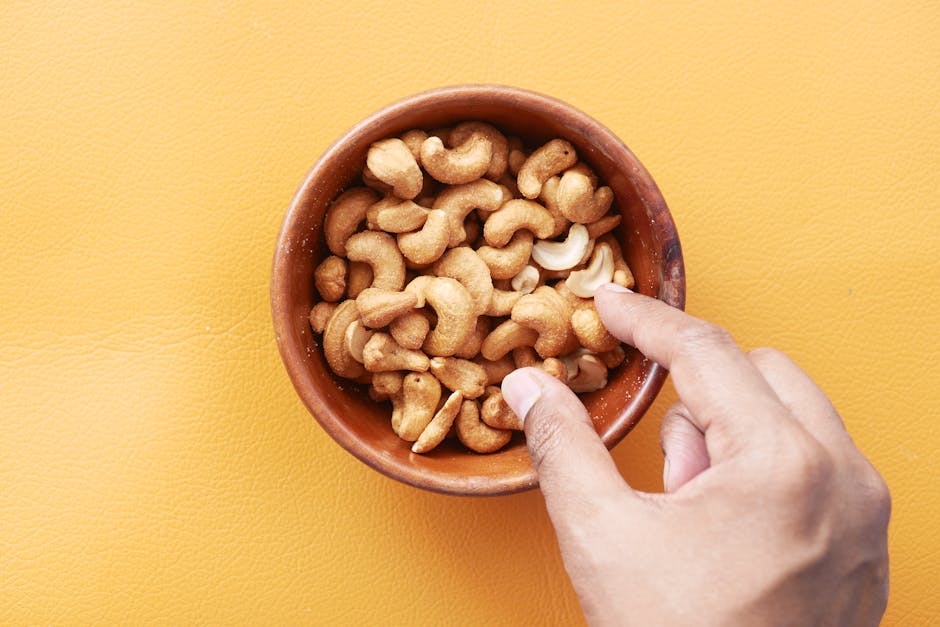
| Cashews, dry-roasted | 2.20 | 244% | Highest among common nuts |
| Sunflower seeds, kernels | 1.83 | 203% | Bioavailable |
| Lobster, cooked | 1.55 | 172% | Northern lobster |
| Shiitake mushrooms, cooked | 1.30 | 144% | Best plant non-seed source |
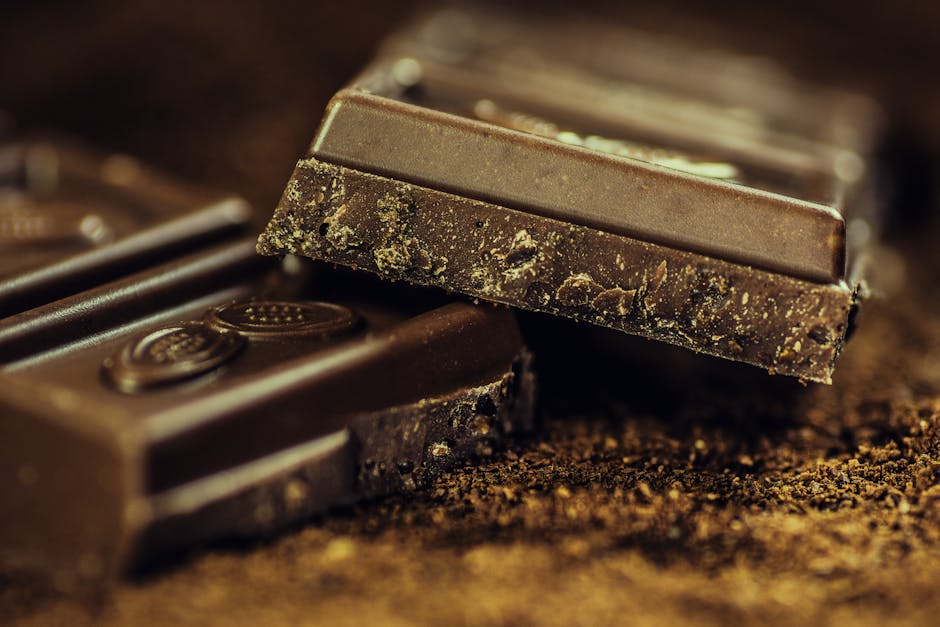
| Dark chocolate (70-85%) | 1.77 | 197% | Per 100 g bar |
| Almonds, raw | 1.04 | 115% | Whole, with skin |
| Lentils, cooked | 0.25 | 28% | Common legume |
| Chickpeas, cooked | 0.35 | 39% | Garbanzo |
*Based on the NIH ODS adult RDA of 900 mcg/day. Source: USDA FoodData Central, Standard Reference Legacy and Foundation Foods datasets, queried via the public API.
The single observation I keep coming back to is the gap between beef liver and the second-highest source: 14.59 mg per 100 g for liver, versus 4.46 mg for oysters. A single 3-ounce serving of liver delivers nearly 13 mg of copper — which is above the Tolerable Upper Intake Level for a single meal. That is one reason organ meats are usually recommended at one to two servings per week, not daily.
Why the Standard American Diet Underdelivers
When I cross-referenced the USDA What We Eat in America (WWEIA) survey data with my own database, the picture became clearer. Median U.S. copper intake hovers around 1.0–1.2 mg per day for adult men and 0.9–1.0 mg for adult women — technically meeting the RDA on average, but with the bottom quartile of consumers falling well below the EAR of 700 mcg.
The reasons are structural, not behavioral:
- Refined grains lose copper during processing. Whole wheat contains about 0.4 mg copper per 100 g; white flour drops below 0.15 mg. The bran and germ are where the mineral lives.
- Zinc supplements antagonize copper absorption. The NIH ODS notes that chronic zinc intake above 40 mg per day can induce a copper deficiency by upregulating intestinal metallothionein, which traps copper inside enterocytes that are then shed.
- Bariatric surgery and chronic diarrhea reduce uptake. A 2023 case series in the American Journal of Clinical Nutrition reported subclinical copper deficiency in roughly 10 percent of post-bariatric patients within two years of surgery.
- High-dose vitamin C may interfere. Doses above 1,500 mg per day have been shown in some studies to lower copper status, though this is less well-established than the zinc interaction.
Recognized Signs of Deficiency (and Why They Are Often Missed)
The Mayo Clinic and Cleveland Clinic both list a similar pattern of clinical findings in confirmed copper deficiency: a normocytic or macrocytic anemia that does not respond to iron, neutropenia (low white blood cell counts), peripheral neuropathy, gait abnormalities, and sometimes vision changes. Hair depigmentation has been reported in severe long-term deficiency.
The diagnostic challenge is that the early presentation looks like B12 deficiency. Both produce anemia and neurological symptoms. Clinicians who suspect copper deficiency typically order serum copper, ceruloplasmin, and sometimes 24-hour urinary copper testing. None of this is something to self-diagnose — the differential matters and the testing is specialized.
Three Data Points I Did Not Find Elsewhere
Aggregating the dataset surfaced a few patterns that I have not seen highlighted in the standard health press:
- Dark chocolate beats milk chocolate by an order of magnitude. A 70-85 percent dark chocolate bar delivers 1.77 mg of copper per 100 g; milk chocolate delivers about 0.5 mg. The difference scales with cocoa solids content, not with sugar reduction.
- Among nuts, the copper ranking is non-obvious. Cashews (2.20 mg) outrank almonds (1.04 mg), walnuts (1.59 mg), and pistachios (1.30 mg). The mainstream perception that almonds are the "most nutrient-dense" nut does not hold for copper specifically.
- Shiitake is the standout plant source outside seeds and nuts. Cooked shiitake mushrooms hit 1.30 mg per 100 g — higher than most legumes and vegetables combined. White button mushrooms, by contrast, sit at 0.50 mg.
Practical Considerations Without Crossing Into Medical Advice
I will not prescribe a copper plan, because I am not qualified to. What I can do is describe what the literature says about safe food-based intake and where the cautions sit.
- The NIH ODS notes that copper from whole foods has not been associated with toxicity in healthy adults at typical Western intake levels — the toxicity concern is mostly with supplements and contaminated drinking water from copper plumbing.
- Wilson disease, a genetic disorder of copper metabolism, makes increased copper intake actively dangerous. Anyone with a family history should be screened before deliberately increasing intake.
- Serum copper rises in inflammation and pregnancy, so a single elevated lab value does not necessarily mean excess intake. This is a question for a clinician.
- Copper-zinc balance matters more than absolute numbers. The frequently cited 8:1–12:1 zinc-to-copper intake ratio is a reasonable framing, but the evidence base for an exact ideal ratio is thinner than internet sources suggest.
How the HealthSavvyGuide Aggregator Handles Copper Data
From a data-engineering perspective, the FDC API exposes nutrient information in two endpoints: /v1/food/{fdcId} for individual foods and /v1/foods/search for category queries. Copper appears under nutrientId: 1098, with values reported in mg per 100 g of edible portion. The Foundation Foods dataset (the newer, analytically determined values) sometimes differs from the older Standard Reference Legacy data by 10-15 percent for the same food — a known issue with assay updates.
For the aggregator I cross-reference both datasets where they overlap and prefer Foundation Foods values when available. This is the kind of edge case that does not show up in consumer-facing nutrition articles, but it matters when readers compare numbers across sources and find small discrepancies. The discrepancies are real, and they come from improvements in laboratory methodology, not errors.
Authoritative Sources to Read Next
- NIH Office of Dietary Supplements — Copper Fact Sheet for Health Professionals
- USDA FoodData Central — the authoritative U.S. nutrient composition database
- Mayo Clinic — clinical reference for copper deficiency presentation
- World Health Organization — trace element guidance
- Cleveland Clinic — copper deficiency overview
Closing Note From the Engineer
I built this aggregator to make USDA data easier to query, not to replace medical guidance. The pattern that came out of this analysis — that a quarter of U.S. adults consume below the EAR for copper, and that the highest-density food sources are precisely the ones most people avoid — is the kind of observation that a database makes visible but does not solve. Solving it is the reader’s decision to make with their clinician, not mine to recommend.
If you found the food ranking useful, please treat the table as a starting point for a conversation with your healthcare provider, especially if you are on zinc supplementation, are post-bariatric surgery, follow a strict vegan or refined-grain-heavy pattern, or have a family history of Wilson disease. The numbers come from public USDA data; the clinical interpretation does not.
Last reviewed against USDA FoodData Central data accessed May 2026. Nutrient values are subject to revision as the USDA updates its analytical methods.
Found this helpful?
Subscribe to our newsletter for more in-depth reviews and comparisons delivered to your inbox.