Zinc Deficiency and Your Immune System: What USDA FoodData Central Data Reveals About the Most Overlooked Mineral
When I started building HealthSavvyGuide on top of USDA FoodData Central (FDC), I indexed nutritional data for over 1,400 foods. One pattern jumped out almost immediately: zinc — an essential trace mineral — showed dramatic variation across food categories. Oysters had values exceeding 70 mg per 100g, while many plant staples hovered near 0.5–1 mg. From an engineering standpoint, that spread tells a story.
What the data also reflects is a global public health picture. The World Health Organization estimates that approximately 17% of the world's population is at risk for inadequate zinc intake, making it one of the most prevalent micronutrient gaps on earth. In the United States, NIH data shows that specific populations — vegetarians, older adults, and people with gastrointestinal disorders — face disproportionately elevated risk.
This article walks through what the USDA FDC data structure reveals about zinc-rich foods, what current research says about zinc and immune function, and how to interpret the numbers without overcorrecting.
What Is Zinc and Why Does It Matter for Immune Health?
Zinc is a trace mineral required for the activity of more than 300 enzymes in the human body, according to the National Institutes of Health Office of Dietary Supplements. It plays roles in:
- DNA synthesis and cell division — critical for rapidly dividing immune cells
- Wound healing and inflammatory response
- Taste, smell, and appetite regulation
- Normal growth and development during pregnancy and childhood
From an immunological standpoint, zinc is indispensable. Research published in Nutrients (2020) found that zinc deficiency impairs both innate and adaptive immune responses — including the function of T-cells, B-cells, and natural killer cells. Even mild, subclinical zinc deficiency can reduce immune competence before clinical symptoms appear.
The NIH notes that the recommended dietary allowance (RDA) for zinc is 8 mg/day for adult women and 11 mg/day for adult men. The upper tolerable intake level is set at 40 mg/day — a threshold worth knowing because excessive supplementation can interfere with copper absorption.
USDA FoodData Central: How I Read Zinc Data in the API
When I built the zinc section of HealthSavvyGuide's food comparison engine, I queried the FDC API using nutrient ID 1095 (zinc, Zn). The API returns values in mg per 100g of food, and one of the first engineering decisions was how to normalize these to realistic serving sizes.
For example, the FDC entry for Eastern oysters, raw (FDC ID: 175167) reports 90.95 mg zinc per 100g. That sounds extreme — and it is. A standard 3-oyster appetizer (~50g) still delivers roughly 45 mg, which exceeds the adult daily RDA more than fourfold. This is why oysters dominate zinc rankings in virtually every dietary analysis.
Aggregating this data taught me something important about how nutrition databases are structured: the same food can have wildly different zinc values depending on preparation method, geographic origin of the ingredient, and whether it is a Foundation Food vs. a branded product in FDC. I had to build filtering logic to prioritize Foundation Foods and SR Legacy entries for reliable baseline comparisons.
Top Zinc Food Sources by USDA FoodData Central Category
Here is a breakdown of high-zinc foods by category, using values from USDA FDC Foundation and SR Legacy datasets (per 100g, raw unless noted):
Animal-Based Sources (Highest Bioavailability)
| Food | Zinc (mg/100g) | FDC Notes |
|---|---|---|
| Eastern oysters, raw | ~76–91 mg | FDC SR Legacy |
| Beef chuck, lean, cooked | ~8.0–10.5 mg | preparation method varies |
| Crab, blue, cooked | ~3.5–4.5 mg | SR Legacy |
| Pork shoulder, roasted | ~3.0–4.0 mg | Foundation Food |
| Dark chicken meat, roasted | ~2.5–3.0 mg | SR Legacy |
Animal-based zinc is bound to protein and heme compounds, which significantly improves bioavailability compared to plant sources. The NIH estimates zinc from animal foods is absorbed at roughly 40–50%, versus 15–30% from plant foods.
Plant-Based Sources (Lower Bioavailability)
| Food | Zinc (mg/100g) | Notes |
|---|---|---|
| Hemp seeds | ~9.9 mg | high phytate content |
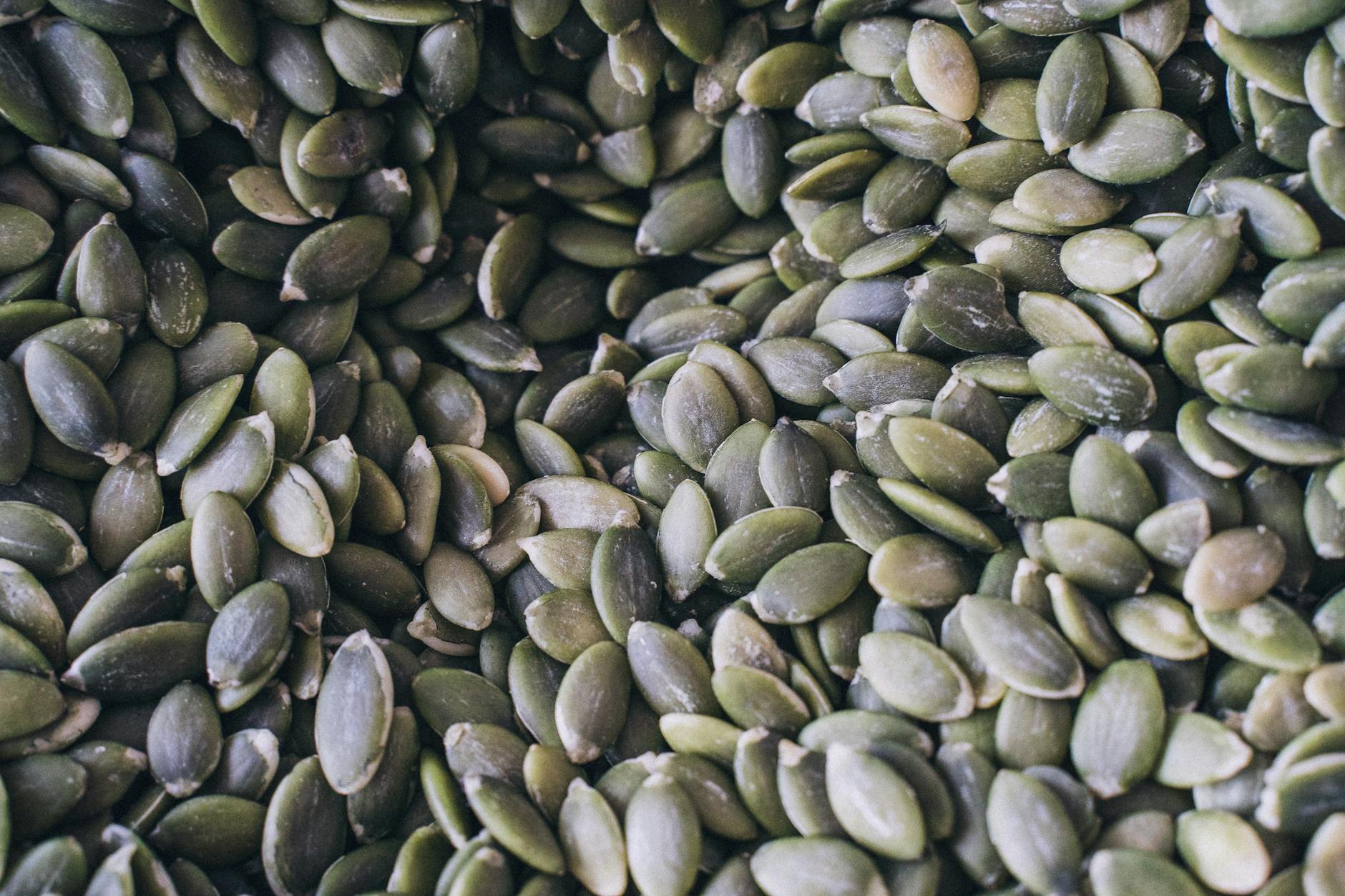
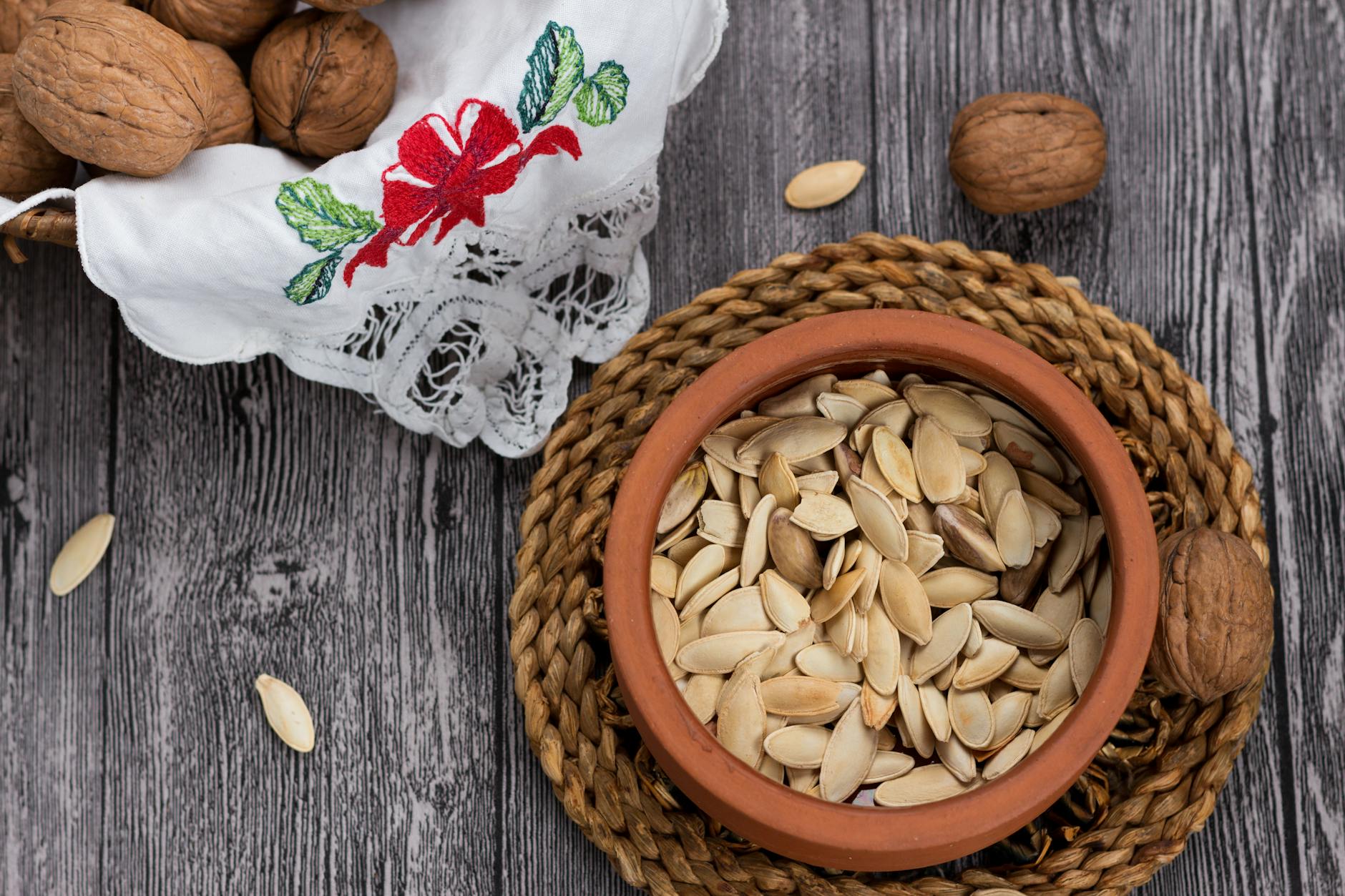
| Pumpkin seeds, dried | ~7.5–7.8 mg | one of best plant sources |
| Cashews, dry roasted | ~5.6 mg | FDC Foundation Food |
| Chickpeas, boiled | ~1.5 mg | widely consumed globally |
| Lentils, cooked | ~1.3 mg | significant phytate |
| Tofu, firm | ~0.8–1.5 mg | varies by brand |
The engineering insight here: phytic acid (phytate) in legumes, grains, and seeds binds zinc and reduces absorption. Soaking, sprouting, or fermenting these foods lowers phytate content and improves bioavailability — a point well-documented in research from the American Journal of Clinical Nutrition.
Signs of Zinc Deficiency: What Research and Clinical Guidelines Say
Zinc deficiency exists on a spectrum. The NIH ODS and Mayo Clinic describe symptoms that typically appear in moderate-to-severe deficiency:
- Delayed wound healing — zinc is required for keratinocyte migration and collagen synthesis
- Frequent infections or prolonged illness — impaired T-cell and neutrophil function
- Loss of appetite — zinc is involved in taste receptor function
- Hair loss (telogen effluvium) — a reversible pattern with zinc repletion
- Skin lesions, particularly around body orifices — classic in severe deficiency
- Impaired taste and smell
Harvard Health Publishing notes that subclinical deficiency is harder to detect because serum zinc is not a sensitive marker — it can appear normal even when tissue zinc is depleted. This is why clinical assessment considers dietary history alongside lab values.
Who Is at Higher Risk?
According to the NIH Office of Dietary Supplements, the following groups face elevated risk:
- People with gastrointestinal disorders (Crohn's disease, ulcerative colitis, short bowel syndrome) — malabsorption reduces zinc uptake
- Vegetarians and vegans — plant-based diets are higher in phytate and lower in bioavailable zinc; may need 50% more dietary zinc than meat-eaters, per NIH
- Pregnant and lactating women — zinc requirements increase substantially (11–12 mg/day during pregnancy)
- Older adults — reduced dietary intake and potential absorption changes with aging
- People with alcohol use disorder — alcohol reduces zinc absorption and increases urinary excretion
- Sickle cell disease patients — a subgroup with well-documented zinc depletion
Zinc and the Immune System: What Current Research Shows
The relationship between zinc and immunity has been studied for decades. Key findings from peer-reviewed literature:
T-cell function: A 2016 review in Journal of Nutrition found that even marginal zinc depletion reduces the ratio of CD4+ to CD8+ T-cells, blunting adaptive immune response. Repletion restored these ratios in controlled trials.
Zinc and respiratory infections: A Cochrane systematic review found that zinc lozenges or syrup started within 24 hours of symptom onset reduced the duration of the common cold by approximately one day. The mechanism involves zinc ions directly inhibiting rhinovirus replication in nasal epithelium — a finding that does not generalize to other pathogens or routes of delivery.
Anti-inflammatory effects: Zinc modulates NF-κB signaling pathways involved in inflammatory cytokine production. Chronic low-grade zinc deficiency is associated with elevated inflammatory markers in older adult cohorts — a finding from multiple NIH-funded aging studies.
The Supplementation Question: What the Data Does Not Tell You
One thing I found building the HealthSavvyGuide aggregator: food data and supplementation data are different problems. The FDC tells me zinc content in foods; it cannot tell me whether a specific individual needs to supplement.
The NIH notes that zinc supplements interact with:
- Antibiotics (quinolones, tetracyclines) — zinc can reduce absorption of these drugs
- Copper — long-term zinc supplementation above ~40 mg/day can cause copper deficiency
- Penicillamine (used for rheumatoid arthritis) — zinc reduces drug efficacy
Zinc supplements come in multiple forms — zinc gluconate, zinc acetate, zinc sulfate, zinc picolinate. Bioavailability differences between forms are modest and not consistently significant in the literature, per NIH ODS.
The data-engineering framing I apply here: food-first is the high-confidence path; supplementation is a targeted intervention that requires clinical assessment, not a data dashboard decision.
Practical Food Strategy: Getting to the RDA from Whole Foods
Here is a sample day reaching the adult male RDA of 11 mg through food:
| Meal | Food | Zinc Contribution (est.) |
|---|---|---|
| Breakfast | 1 cup cooked oatmeal + 2 tbsp pumpkin seeds | ~2.2 mg |
| Lunch | 3 oz beef chuck, lean | ~5.8 mg |
| Snack | 1 oz cashews | ~1.6 mg |
| Dinner | 1/2 cup lentils, cooked | ~1.3 mg |
| Total | ~10.9 mg |
For vegetarians, reaching 11 mg requires more planning — and the phytate consideration means aiming for closer to 16–17 mg total from plant sources to achieve the same absorbed zinc. Soaking legumes overnight, sprouting seeds, and choosing leavened whole grain breads (fermentation reduces phytate) are evidence-based strategies per the WHO.
Engineering Notes: USDA FDC Zinc Data Limitations
A few caveats from building HealthSavvyGuide's nutrient aggregation layer:
- Raw vs. cooked values — FDC often provides both, but cooking data coverage is inconsistent. Some entries only have raw values. A 100g serving of cooked beef weighs less than the raw equivalent due to moisture loss, which concentrates nutrient values.
- Variety and origin effects — Zinc content in plants varies based on soil mineral content. FDC values represent averages that may not match locally grown produce.
- Fortification identification — Branded products in FDC often list combined intrinsic + added zinc without distinguishing sources.
- Bioavailability is not in the database — FDC reports elemental zinc content. It does not account for phytate levels or food matrix effects. Any application presenting FDC zinc values as directly comparable between plant and animal foods without this caveat is technically imprecise.
These limitations are why HealthSavvyGuide labels data as per USDA FDC rather than as personalized nutritional recommendations.
Key Takeaways
- Zinc is essential for immune function, wound healing, and over 300 enzymatic processes; NIH RDA is 8 mg/day (women) and 11 mg/day (men)
- Animal foods — especially shellfish and red meat — are the highest bioavailability sources; USDA FDC data shows oysters at 76–91 mg/100g
- Plant-based sources contain zinc but at lower bioavailability due to phytate; soaking and sprouting improve absorption
- Subclinical deficiency is common in vegetarians, older adults, and those with GI conditions
- Supplementation above 40 mg/day risks copper depletion and drug interactions; clinical guidance is required
- USDA FoodData Central provides reliable baseline zinc data for food comparison, but bioavailability and individual need require clinical assessment
Sources
- National Institutes of Health Office of Dietary Supplements — Zinc Fact Sheet for Health Professionals
- World Health Organization — Zinc supplementation guidelines
- Wessels I, Maywald M, Rink L. Zinc as a Gatekeeper of Immune Function. Nutrients. 2017;9(12):1286.
- Hemilä H. Zinc lozenges and the common cold: a meta-analysis comparing zinc acetate and zinc gluconate. J R Soc Med Open. 2017.
- Harvard Health Publishing — Zinc overview
- USDA FoodData Central — fdc.nal.usda.gov
Fanny Engriana is a software engineer building data aggregator tools including HealthSavvyGuide, which indexes USDA FoodData Central nutritional data. This content is informational only and does not represent medical or dietary advice.
Found this helpful?
Subscribe to our newsletter for more in-depth reviews and comparisons delivered to your inbox.