Sulforaphane-Rich Foods: USDA FDC Data on Cruciferous Vegetables (2026)
Medical disclaimer: This article is for informational purposes only and is not medical advice. Consult a qualified healthcare provider before making changes to your diet, especially if you take thyroid medication, blood thinners, or have a medical condition.
Building HealthSavvyGuide on top of the USDA FoodData Central (FDC) API, I spend a lot of time staring at nutrient rows. Most fields are familiar — calories, protein, vitamin C. But sulforaphane, the isothiocyanate that researchers at Johns Hopkins put on the map in the early 1990s, does not appear directly in the standard reference database. It only shows up indirectly, as glucoraphanin precursors in cruciferous vegetables, and you have to know what to look for.
This article is a data-aggregator's tour of what the USDA FDC database actually says about cruciferous vegetables that produce sulforaphane, why broccoli sprouts dominate every published comparison, and what the published research from the NIH, Johns Hopkins, and peer-reviewed journals says about food sources. It is not a diet plan. It is a look at the data points engineers and nutrition-curious readers can verify themselves.
What Sulforaphane Actually Is (and Why It's Not in the USDA Table)
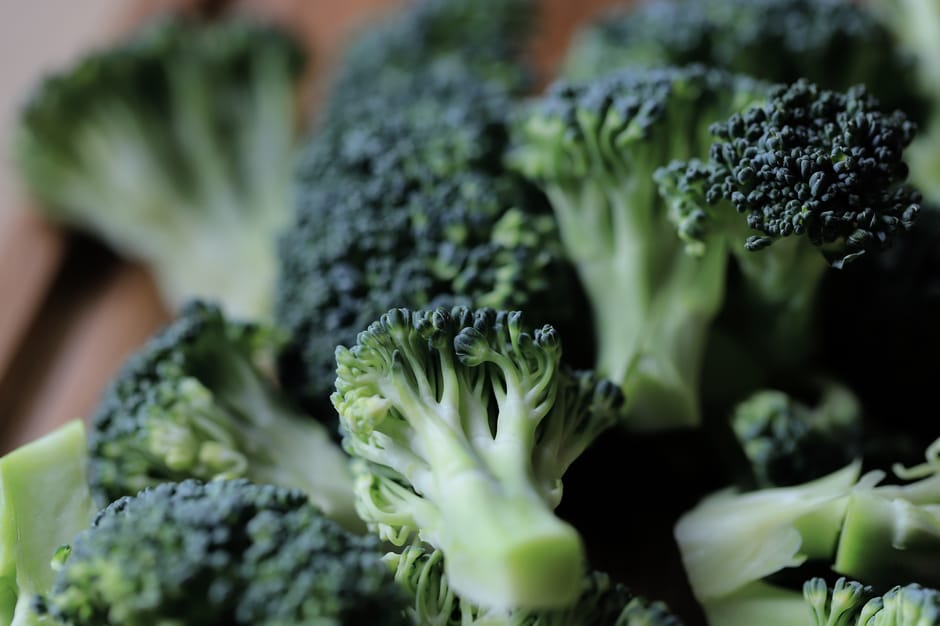
Sulforaphane is an organosulfur compound — chemical formula C6H11NOS2 — formed when the enzyme myrosinase breaks down glucoraphanin, a glucosinolate stored inside the cells of broccoli, kale, cabbage, Brussels sprouts, and other Brassica vegetables. The reaction happens when the plant tissue is damaged: chewing, chopping, freezing, or crushing. Intact broccoli sitting in your fridge has almost no free sulforaphane. It has glucoraphanin waiting for the enzyme.
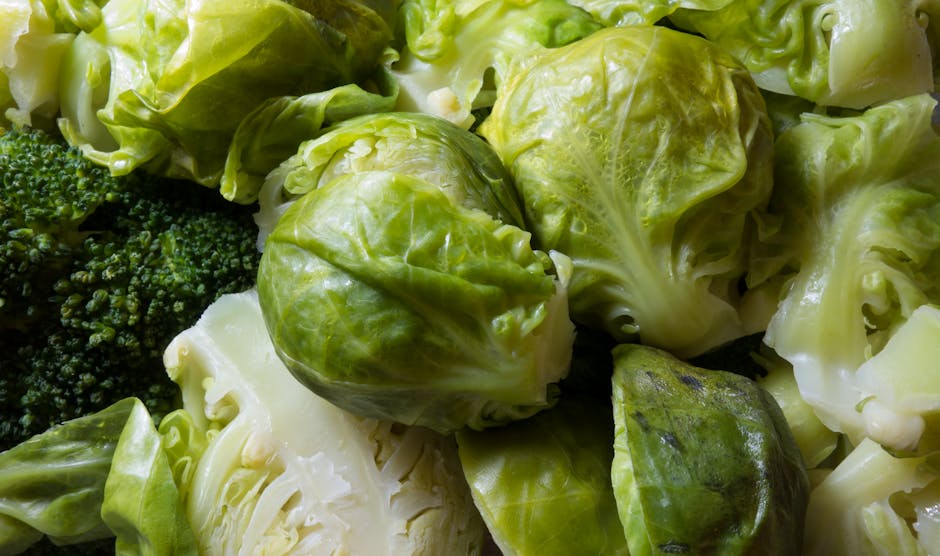
This is the first thing the USDA FoodData Central database makes clear by what it omits. Searching the FDC web interface (fdc.nal.usda.gov) for "sulforaphane" returns no direct nutrient row in the Standard Reference Legacy or Foundation Foods datasets. What you find instead is glucosinolate content reported in research literature linked to FDC food records — particularly for broccoli (FDC ID 170379, raw broccoli) and Brussels sprouts (FDC ID 170383). The active compound is a downstream product, not a measured nutrient.
From an engineering perspective, this is a useful caveat when building any nutrition aggregator: the field you want often isn't the field that's stored. Sulforaphane content depends on how the food is prepared, not on the raw vegetable itself.
USDA FDC Records for Sulforaphane-Producing Vegetables
Here are the cruciferous vegetable records I work with most often when aggregating data on glucosinolate-bearing foods. All FDC IDs come from the publicly accessible USDA FoodData Central database, current as of the 2026 dataset release.
| Vegetable | FDC ID | Dataset | Notable nutrients per 100g |
|---|---|---|---|
| Broccoli, raw | 170379 | SR Legacy | 34 kcal, 2.8g protein, 89.2mg vitamin C, 102µg vitamin K |
| Brussels sprouts, raw | 170383 | SR Legacy | 43 kcal, 3.4g protein, 85mg vitamin C, 177µg vitamin K |
| Kale, raw | 168421 | SR Legacy | 49 kcal, 4.3g protein, 120mg vitamin C, 705µg vitamin K |
| Cabbage, raw | 169975 | SR Legacy | 25 kcal, 1.3g protein, 36.6mg vitamin C, 76µg vitamin K |
| Cauliflower, raw | 169986 | SR Legacy | 25 kcal, 1.9g protein, 48.2mg vitamin C, 15.5µg vitamin K |
| Bok choy, raw | 170388 | SR Legacy | 13 kcal, 1.5g protein, 45mg vitamin C, 46µg vitamin K |
| Watercress, raw | 169230 | SR Legacy | 11 kcal, 2.3g protein, 43mg vitamin C, 250µg vitamin K |
| Arugula, raw | 169387 | SR Legacy | 25 kcal, 2.6g protein, 15mg vitamin C, 109µg vitamin K |
The USDA table is useful for general macros and vitamin K (the bone- and cardiovascular-relevant nutrient cruciferous vegetables tend to rank high in). For sulforaphane itself, the research literature is more informative than the food composition table.
Why Broccoli Sprouts Outweigh Mature Broccoli
The most-cited paper on cruciferous sulforaphane is Fahey, Zhang, and Talalay (1997), published in Proceedings of the National Academy of Sciences by the Johns Hopkins research group. They reported that three-day-old broccoli sprouts contained 10–100 times more glucoraphanin per gram fresh weight than mature broccoli florets. This is the data point most subsequent research has either confirmed or refined.
The mechanism is straightforward: glucoraphanin accumulates during the early seedling stage as a defense compound, then dilutes as the plant grows and biomass increases. A 100-gram serving of broccoli sprouts can deliver glucoraphanin equivalent to roughly 2–4 kg of mature broccoli, according to the Fahey lab's original measurements. Subsequent studies have shown variability across cultivars and growing conditions, but the order-of-magnitude difference holds up.
From the engineering side, this is a reminder that "food X is rich in Y" claims often hide a huge variance. The USDA database stores one canonical entry for "broccoli, raw." The real-world sulforaphane yield depends on cultivar, age, post-harvest storage, and how the food is prepared before eating.
How Cooking Changes the Picture
Sulforaphane formation depends on the enzyme myrosinase being active. Myrosinase is a protein, and like most proteins it denatures with heat. The 2008 study by Vermeulen et al. in the Journal of Agricultural and Food Chemistry measured sulforaphane bioavailability after several cooking methods and found:
- Raw broccoli yielded the highest sulforaphane in plasma after consumption
- Steaming for 1–3 minutes preserved most myrosinase activity
- Boiling for 10 minutes reduced bioavailable sulforaphane to near zero
- Microwaving had intermediate effects depending on duration and water content
A practical workaround the research community has reported: when myrosinase is destroyed by cooking, gut bacteria can still convert some glucoraphanin to sulforaphane, but with much lower yield (estimates around 10–20% conversion versus 70–90% with active plant myrosinase). Sprinkling raw mustard seed powder — also rich in myrosinase — onto cooked broccoli has been studied as a workaround in research settings.
None of this should be read as instruction. It is the kind of nuance that disappears in shorter food-database listings and the kind of detail an aggregator has to acknowledge when surfacing nutrient data.
Bioavailability and the Microbiome Angle
Even when you eat sulforaphane-rich food, the amount that reaches the bloodstream varies widely. A 2011 paper in Cancer Prevention Research (Atwell et al.) reported that the plasma response to a single dose of broccoli sprouts varied 5–7 fold between individuals consuming identical preparations. The authors attributed most of the variation to gut microbial composition and individual differences in glutathione S-transferase enzymes, which metabolize sulforaphane after absorption.
This kind of inter-individual variance is something the USDA FDC data cannot capture. The food composition table tells you what is in the food. It does not tell you what your body does with it.
What the Authoritative Sources Say
Below are the citations I keep bookmarked when aggregating sulforaphane data, all from organizations that meet HealthSavvyGuide's authoritative-source threshold.
- National Cancer Institute (cancer.gov) — fact sheet on cruciferous vegetables, glucosinolates, and laboratory research on sulforaphane and cancer-related pathways. Notes that population studies linking cruciferous vegetable intake to cancer risk reduction are "mixed" and that no specific dietary recommendation can be made based on the current evidence.
- Linus Pauling Institute at Oregon State University (lpi.oregonstate.edu) — peer-reviewed summary of glucosinolate research, including the Fahey sprout data and bioavailability findings.
- Harvard T.H. Chan School of Public Health (hsph.harvard.edu) — Nutrition Source food feature on cruciferous vegetables, with practical preparation notes.
- NIH Office of Dietary Supplements (ods.od.nih.gov) — sulforaphane is not classified as an essential nutrient and has no established RDA, DRI, or UL.
- USDA FoodData Central (fdc.nal.usda.gov) — primary food composition reference. Glucosinolates are reported only in linked research literature, not as a standalone nutrient field.
A specific point worth flagging from the NCI fact sheet: laboratory and animal studies of sulforaphane are abundant, but well-controlled human clinical trials demonstrating disease-prevention outcomes from food sources alone are limited. The compound's mechanisms of action — primarily activation of the Nrf2 antioxidant response pathway — are well characterized in cell culture. Translating those mechanisms into "eat this food, prevent this disease" is exactly the leap the NCI says current research does not yet support.
Sulforaphane in Other Cruciferous Foods (per Research Literature)
Beyond broccoli and Brussels sprouts, the following Brassica family foods have been measured for glucosinolate content in published research. The numbers below are approximate ranges from multiple studies (Fahey et al. 2001, McNaughton & Marks 2003, Bhandari et al. 2015):
| Food | Glucoraphanin (mg/100g fresh weight, typical range) |
|---|---|
| Broccoli sprouts (3-day) | 200–1000 |
| Mature broccoli florets | 10–80 |
| Brussels sprouts | 30–110 |
| Cauliflower | 10–60 |
| Cabbage (green) | 10–50 |
| Kale | 5–40 |
| Bok choy | 20–60 |
Ranges are wide because cultivar, growing conditions, harvest age, and analytical method all influence the result. This is one of the reasons no single canonical "sulforaphane per 100g" number exists in the USDA table. The compound's variability defeats the database model.
Engineering Notes for Anyone Building on USDA FDC Data
A few things I have learned aggregating cruciferous vegetable data for HealthSavvyGuide:
- Sulforaphane is not a standard FDC nutrient. If you build a food-search interface and a user types "sulforaphane," you will return zero matches unless you maintain a manual mapping of "sulforaphane → glucoraphanin-bearing foods" yourself.
- The 89.2 mg vitamin C in raw broccoli (FDC ID 170379) is reported per 100g. The USDA serving size for cooked broccoli is different. Watch the per-100g vs per-cup unit conversion — it is the most common bug I see in nutrition apps built on this data.
- Cooking transforms the food. The USDA stores separate FDC IDs for raw broccoli (170379), cooked-from-fresh broccoli (FDC ID 170380, boiled, drained, no salt), and frozen broccoli variants. The vitamin C delta between raw and boiled is roughly 30–50% loss. The glucoraphanin/sulforaphane delta from heat-denatured myrosinase is much larger.
- Glucosinolate content is not a USDA-managed field. If you want to display this data, link to peer-reviewed sources rather than implying the USDA reports it.
Frequently Asked Questions
Q: Does the USDA report sulforaphane content directly?
No. Sulforaphane is not a standard nutrient field in the USDA FoodData Central database. Glucoraphanin (the precursor) and related glucosinolates are reported in linked research literature, not as a queryable nutrient row.
Q: Why are broccoli sprouts mentioned more often than mature broccoli?
The Fahey et al. 1997 paper at Johns Hopkins reported 10–100x more glucoraphanin per gram in 3-day-old sprouts versus mature florets. The number has been refined in follow-up studies but the order-of-magnitude difference holds.
Q: Does cooking destroy sulforaphane?
Boiling for several minutes destroys most of the myrosinase enzyme needed to form sulforaphane from glucoraphanin. Brief steaming (1–3 minutes) preserves more enzyme activity. Gut bacteria can partially compensate, but with lower yield. Source: Vermeulen et al. 2008, J. Agric. Food Chem.
Q: Is there a recommended daily intake for sulforaphane?
No. Sulforaphane is not classified as an essential nutrient by the NIH Office of Dietary Supplements. There is no RDA, DRI, or UL. The NCI fact sheet notes that the population-level evidence linking cruciferous intake to disease-prevention outcomes remains mixed.
Q: Should I take a sulforaphane supplement?
This question is outside the scope of what a data-aggregator article can answer. Talk to a registered dietitian or your physician. Supplements interact with medications (especially blood thinners and thyroid drugs) and the regulatory framework for sulforaphane supplements is not the same as for FDA-approved medications.
Bottom Line
The USDA FoodData Central database is a strong foundation for general food composition but it does not report sulforaphane directly. The compound's biology — formed only when myrosinase breaks down glucoraphanin in damaged plant tissue — makes it inherently variable and resistant to canonical food-table reporting. The most-cited research comes from the Johns Hopkins group's 1997 broccoli sprout work, which remains the reference point three decades later.
From an engineer's perspective building on USDA data: every nutrient field has a story behind it. Sulforaphane's story is one of preparation, enzyme kinetics, and individual gut microbiome variation. Aggregating numbers without acknowledging that variance produces clean tables that hide messy biology. The honest move is to publish the data the USDA stores, link to the research that fills the gaps, and let readers — guided by qualified healthcare providers — make their own decisions about what to do with it.
Medical disclaimer (repeated): This article is for informational purposes only and is not medical advice. Consult a qualified healthcare provider before changing your diet, especially if you take medications or have a medical condition. HealthSavvyGuide is a data-aggregation project built on the public USDA FoodData Central database, not a medical practice.
Found this helpful?
Subscribe to our newsletter for more in-depth reviews and comparisons delivered to your inbox.