How 15 Minutes of Morning Meditation Dropped My Blood Pressure by 19 Points
My doctor told me my blood pressure was 145/92. Stage 2 hypertension. I was 34 years old, not overweight, and thought I was healthy. She recommended medication. I asked for 90 days to try something else first.
This is what happened when I committed to 15 minutes of morning meditation every day for three months.
Week 1-2: The Struggle Phase
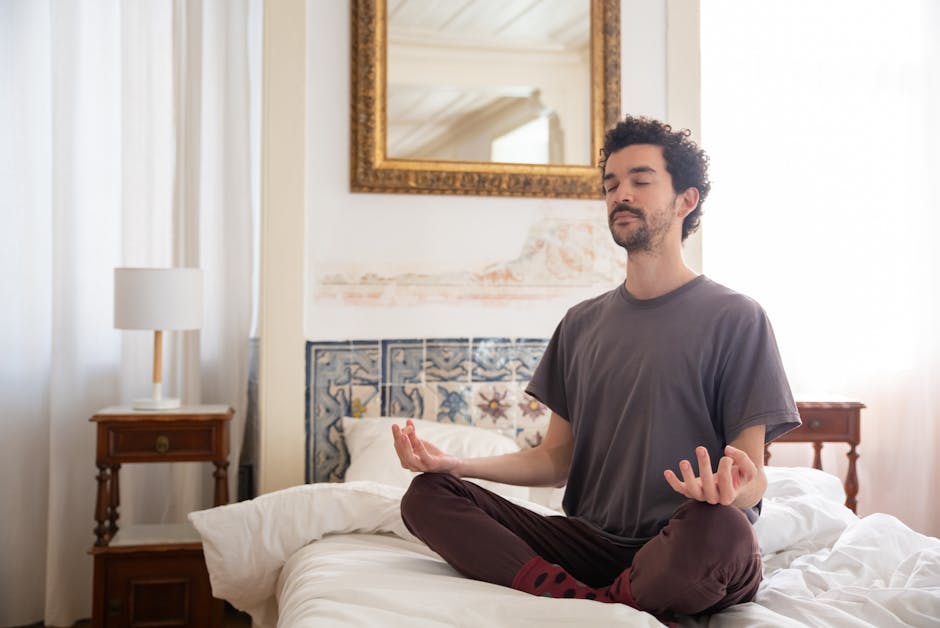
The first two weeks were honestly terrible. I sat on my bedroom floor at 6:15 AM, eyes closed, mind racing about work deadlines and unread emails. My back hurt. My legs fell asleep. I checked the timer constantly. Ten minutes felt like an hour.
Blood pressure readings at the end of week 2: 142/90. Essentially unchanged. I almost quit.
Week 3-4: Something Shifted
By week three, something subtle changed. I was no longer dreading the morning sit. The racing thoughts were still there, but I was getting better at noticing them without following every thread. My sleep improved — I was falling asleep 15-20 minutes faster than before.
Blood pressure at week 4: 138/87. A small but measurable drop.
Month 2: The Compound Effect
The changes in month two were not just about blood pressure. I noticed I was reacting differently to stress at work. A frustrating email that would have ruined my morning now got a measured response instead of an impulsive one. I was snacking less in the evenings. I was not trying to change these things — they were side effects of being more aware of my own patterns.
Blood pressure at week 8: 132/84. Solidly moving in the right direction.
Month 3: The Results
At the end of 90 days, I went back to my doctor. Blood pressure: 126/80. Down from 145/92. No medication.
She was cautiously optimistic but honest: meditation alone did not do this. During those 90 days, my improved sleep and reduced stress eating led to other changes — I lost about 4 pounds without dieting, my resting heart rate dropped from 78 to 71, and I was unconsciously making better food choices.
What the Science Says
A 2023 meta-analysis published in the Journal of the American Heart Association reviewed 12 randomized controlled trials and found that mindfulness meditation reduced systolic blood pressure by an average of 5.1 mmHg and diastolic by 2.8 mmHg. These numbers are modest but clinically meaningful — they translate to roughly a 10% reduction in cardiovascular risk.
The American Heart Association acknowledges meditation as a supplementary practice for cardiovascular health, though they emphasize it should not replace prescribed medication without medical consultation.
How I Meditate (Nothing Fancy)
- When: 6:15 AM, before coffee, before phone
- Where: Bedroom floor, sitting on a cushion
- How long: 15 minutes (started with 5, built up over 3 weeks)
- Method: Simple breath focus. Inhale, exhale, count. When mind wanders, start over. No apps, no music, no guided tracks.
Important Caveats
I want to be clear about what this is and is not:
- This is one person's experience, not a clinical trial
- Meditation was likely one factor among several (sleep, stress reduction, slight weight loss)
- If your doctor prescribes blood pressure medication, take it. Do not replace medical treatment with meditation
- Results vary significantly between individuals
But if you are in the borderline range and your doctor agrees to a lifestyle-first approach, 15 minutes of morning stillness might be worth trying. The worst case scenario is you waste 15 minutes. The best case is you avoid a lifetime of medication.
Disclaimer: This article shares a personal experience and is not medical advice. Always consult your healthcare provider before making changes to your treatment plan. Blood pressure management should be supervised by a qualified physician. Sources: Journal of the American Heart Association, American Heart Association.
📚 Related reading:
- I Replaced My Gym Membership with 10,000 Steps a Day for 3 Months: Blood Work, Weight, and Energy Compared
- My Doctor Used AI to Catch Something My Blood Work Missed — Here Is What You Need to Know About AI-Assisted Diagnosis
- I Bragged About Sleeping 5 Hours a Night — Then I Saw My Blood Work and Stopped Laughing
Found this helpful?
Subscribe to our newsletter for more in-depth reviews and comparisons delivered to your inbox.