A Massive New Review Just Found Marijuana Does Not Help Anxiety Depression or PTSD — Here Is What the Research Actually Shows and What to Try Instead
My Neighbor Swears His Nightly Joint Cured His Anxiety and I Did Not Have the Heart to Argue
Greg — that is my upstairs neighbor, the one who does tai chi on his balcony every morning at 6:15 AM, rain or shine — pulled me aside in the parking garage last Thursday to tell me about his "anxiety protocol." He quit his Lexapro six months ago, switched to a THC-CBD blend he buys at the dispensary down on Commonwealth Ave, and insists he has never felt better.
"The pharmaceutical industry does not want you to know this," he said, leaning in conspiratorially, smelling faintly of patchouli and conviction. "Cannabis is nature's anxiolytic."
I nodded politely. I did not argue. But I had spent the previous two hours reading a massive systematic review that had just dropped — one of the largest analyses ever conducted on cannabis and mental health — and the findings say something very different from what Greg believes.
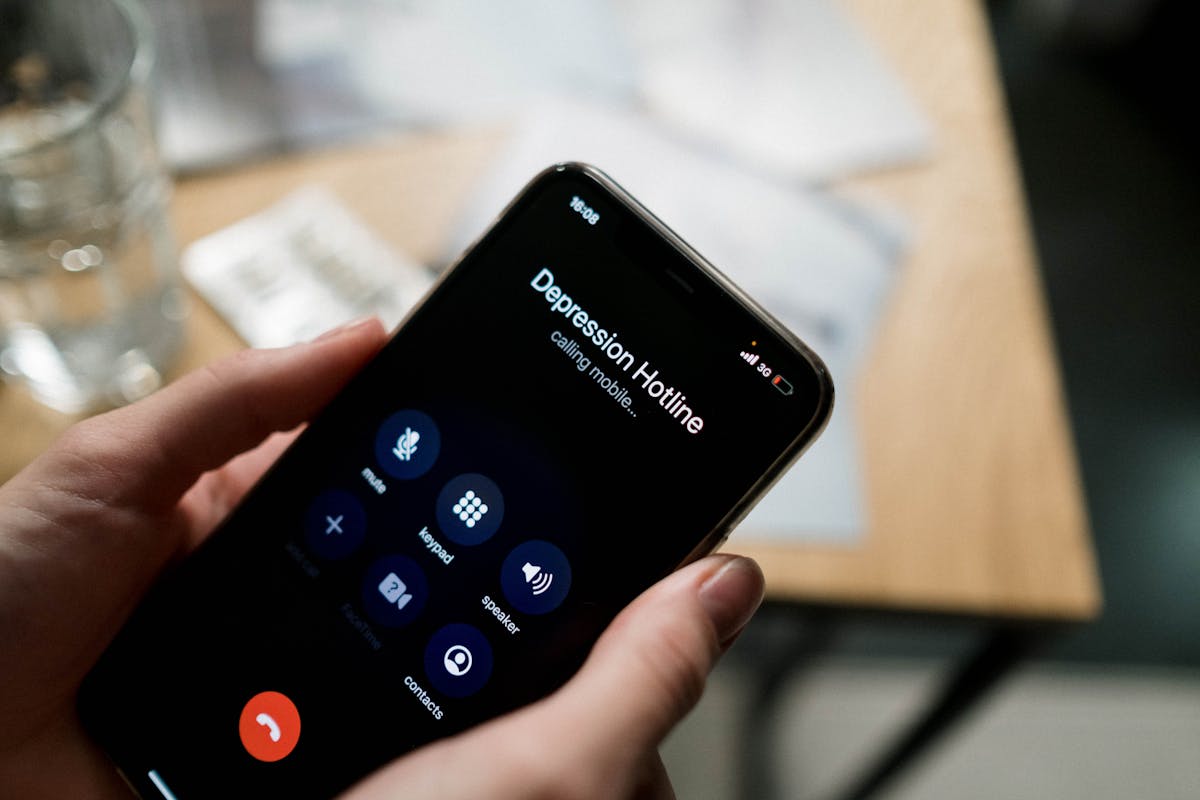
Important: This article discusses mental health treatments and medications. It is for informational purposes only and does not constitute medical advice. Do not start, stop, or change any medication or treatment without consulting a licensed healthcare provider. If you are experiencing a mental health crisis, contact the 988 Suicide and Crisis Lifeline (call or text 988) or go to your nearest emergency room.
What the Study Actually Found
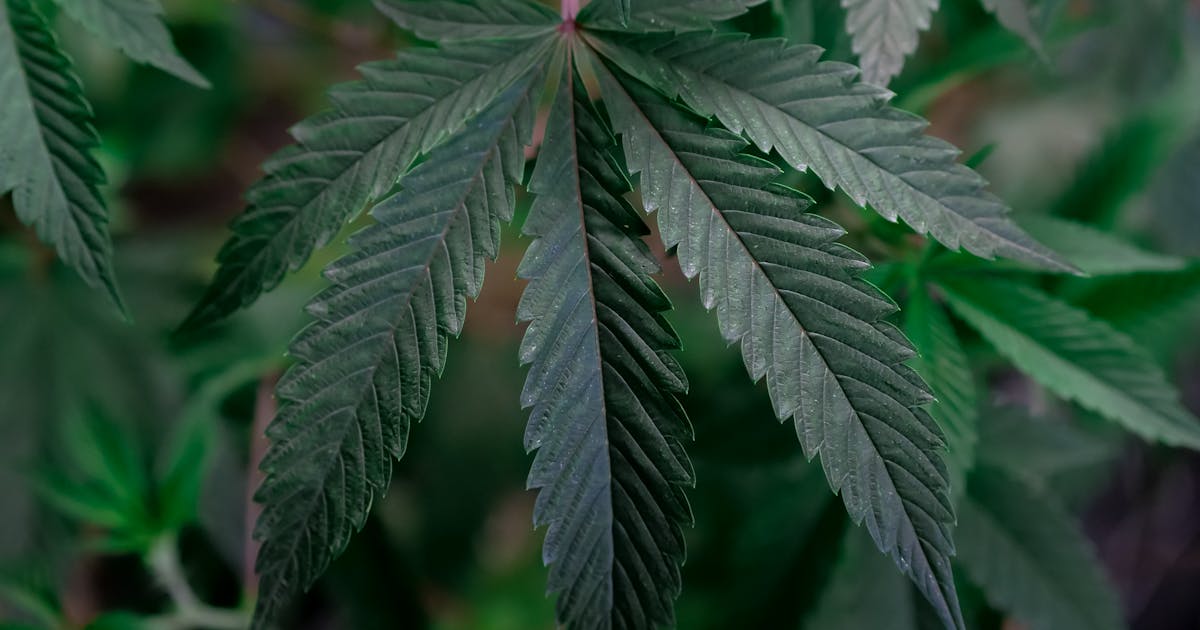
A comprehensive systematic review — reported by CNN on March 16, 2026 — analyzed data across multiple randomized controlled trials examining whether cannabis and cannabinoid products effectively treat anxiety disorders, depression, PTSD, and other mental health conditions.
The headline finding: marijuana does not appear to ease anxiety, depression, or PTSD based on the weight of available clinical evidence.
Let me be clear about what "does not appear to ease" means in research terms. It does not mean "is definitely useless." It means that when researchers pooled the data from rigorous controlled trials — the kind where participants are randomly assigned to receive either cannabis products or placebo, and neither they nor the researchers know which is which — the cannabis groups did not show statistically significant improvements compared to placebo in most measures.
The Specific Findings That Matter
Here is what the review found across the major conditions:
- Generalized Anxiety Disorder (GAD): No significant improvement over placebo in randomized trials. Some patients reported subjective improvement, but objective measures and clinician ratings did not show meaningful differences.
- Major Depressive Disorder: Insufficient evidence of benefit. Some preclinical (animal) studies showed promise with certain cannabinoid compounds, but human trials have not reproduced those results consistently.
- PTSD: Mixed results. A few small trials showed modest benefit for specific symptoms (particularly nightmares and sleep disruption), but the overall evidence was rated as low quality due to small sample sizes and methodological limitations.
- Social Anxiety: Very limited data. One or two small trials showed some acute anxiolytic effect from CBD specifically (not THC), but the evidence base is too thin to draw conclusions.
Why So Many People Believe It Works — And They Are Not Lying
Here is where this gets nuanced, and where I part ways with both the "cannabis cures everything" crowd and the "just say no" crowd.
Greg is not making up his experience. When he says he feels better since switching from Lexapro to cannabis, I believe him subjectively. But there are several phenomena that explain the disconnect between individual experience and clinical evidence:
1. The Placebo Effect Is Enormous in Mental Health Research
In anxiety and depression trials, placebo response rates regularly hit 30-45%. That means roughly a third of people who receive a sugar pill report significant improvement. Cannabis has the added benefit of actually producing psychoactive effects — you feel something happening — which amplifies the placebo response even further. Your brain is very, very good at convincing itself that something is working when it expects something to work. (Speaking of things that mess with your brain, we recently covered how social media before bed destroys your sleep quality — another case where subjective feelings do not match the data.)
2. Acute Relief Is Not the Same as Treatment
THC produces short-term euphoria and relaxation. If you smoke a joint and feel less anxious for two hours, that is a real pharmacological effect. But treating an anxiety disorder means reducing overall anxiety levels, frequency of panic attacks, and functional impairment over weeks and months — not just feeling mellow for an evening. The systematic review specifically looked at sustained treatment effects, not acute subjective relief.
3. Self-Selection Bias
The people who continue using cannabis for anxiety are, by definition, the ones who feel it works for them. The ones who tried it and found it made their anxiety worse (which happens frequently — THC can actually increase anxiety and paranoia in many users) stopped using it and do not show up in dispensary testimonials. You are only hearing from the winners.
My friend Rachel, a therapist in Denver, puts it more bluntly: "I see patients every week who are convinced cannabis helps their anxiety. I also see patients whose cannabis use is clearly making their anxiety worse, but they cannot see it because the acute relief masks the long-term pattern. The plural of anecdote is not data."
What the Evidence Actually Supports for Anxiety and Depression
If cannabis is not the answer, what is? Here is what decades of rigorous research consistently supports:
First-Line: Cognitive Behavioral Therapy (CBT)
Meta-analyses consistently show CBT is effective for anxiety disorders, with effect sizes of 0.73-1.37 (that is a large effect in clinical terms). According to the American Psychological Association, CBT has the strongest evidence base of any psychotherapy for anxiety and depression. The benefits persist long after treatment ends — something medication alone often cannot claim.
The challenge? Finding a good CBT therapist, affording sessions, and actually doing the homework (because yes, there is homework). But the evidence is unambiguous.
First-Line Medication: SSRIs and SNRIs
Selective serotonin reuptake inhibitors (SSRIs like sertraline, escitalopram) and serotonin-norepinephrine reuptake inhibitors (SNRIs like venlafaxine, duloxetine) remain the most evidence-supported medications for anxiety and depression. According to guidelines from the National Institute of Mental Health (NIMH), these medications show consistent benefit over placebo in large, well-designed trials with effect sizes typically ranging from 0.3-0.5.
Are they perfect? No. Side effects are real (weight gain, sexual dysfunction, emotional blunting). They take 4-6 weeks to reach full effect. But the evidence base is massive — hundreds of trials, millions of patients, decades of data.
Exercise: The Most Underrated Intervention
A 2023 umbrella review published in the British Journal of Sports Medicine found that physical activity was 1.5 times more effective than medication or cognitive behavioral therapy for reducing symptoms of depression, anxiety, and distress. The most effective protocols: 150 minutes per week of moderate-intensity exercise (brisk walking counts).
I know. "Exercise more" is the most annoying advice in the world. But the data is frankly staggering. A 30-minute walk five days a week outperforms most medications in head-to-head comparisons. My therapist — yes, the cybersecurity writer has a therapist, and if that surprises you, we need to talk about stigma — our piece on how societal distrust damages mental health explains why therapy matters more than ever — once told me: "If exercise came in pill form, it would be the most prescribed drug in history."
Mindfulness-Based Stress Reduction (MBSR)
An 8-week structured mindfulness program that has shown consistent benefit for anxiety in multiple randomized trials. According to research published in JAMA Internal Medicine, mindfulness meditation programs demonstrated moderate evidence of improved anxiety, depression, and pain outcomes.
What About CBD Specifically?
This is where it gets interesting. Some evidence suggests that cannabidiol (CBD) — the non-psychoactive compound in cannabis — may have anxiolytic properties separate from THC. A 2019 study published in The Permanente Journal found that CBD decreased anxiety scores in 79.2% of patients and improved sleep in 66.7%. However, the study had no placebo control group, which is a significant limitation.
The FDA-approved CBD medication Epidiolex (for epilepsy) is prescribed off-label by some psychiatrists for anxiety, but evidence for this use is still preliminary. More rigorous trials are needed before CBD can be recommended as a standalone anxiety treatment. According to the Substance Abuse and Mental Health Services Administration (SAMHSA), individuals should always discuss supplement and cannabis use with their healthcare provider.
The Uncomfortable Truth About Self-Medication
Here is what I wish someone had told Greg before he quit his Lexapro: self-medicating a diagnosed anxiety disorder with cannabis is a gamble. Not because cannabis is uniquely dangerous (alcohol is arguably worse by most measures), but because:
- You lose the dose precision of pharmaceutical treatment. An edible from the dispensary can vary wildly in actual THC content.
- You lose clinical monitoring. When Greg was on Lexapro, his psychiatrist tracked his symptoms, adjusted doses, and watched for side effects. Now? He is dosing himself based on vibes.
- THC tolerance builds quickly. The "relaxation" effect that worked at 5mg three months ago now requires 15mg. That escalation curve is real and well-documented.
- Cannabis use disorder is a recognized condition in the DSM-5, affecting roughly 9% of cannabis users, according to NIDA (National Institute on Drug Abuse). That number rises to approximately 17% for those who start using in adolescence.
I am not anti-cannabis. I live in a state where it is fully legal and I genuinely believe adults should be able to make their own choices. But "making your own choice" should involve looking at the actual data, not just dispensary marketing and Reddit testimonials.
What I Actually Told Greg
Nothing, initially. I am not his doctor. I am not his therapist. I am the guy who lives one floor down and occasionally borrows his socket wrench.
But last weekend, over beers (the irony of discussing substance use while drinking is not lost on me), I mentioned the systematic review casually. "Hey, did you see that big study about cannabis and anxiety? The results were pretty mixed."
He got quiet for a second. Then: "I mean, yeah, but studies do not capture everything, right? I know what works for my body."
And honestly? That is a fair response. Individual variation is real. The systematic review tells us about population-level effects — what works for most people in controlled conditions. It does not tell us what works for Greg specifically.
But it does suggest that if you are considering cannabis for anxiety and have not tried it yet, evidence-based treatments like CBT, SSRIs, and regular exercise should be your first, second, and third options. Cannabis, at best, is plan D — and the latest evidence suggests even that might be generous.
I think Greg heard me, even if he did not change his mind. He did mention he was thinking about starting therapy again. Baby steps.
If you are struggling with sleep alongside anxiety — and many people are — read our guide on the science behind screen time and sleep quality. And for health businesses looking to build a trustworthy online presence, wardigi.com specializes in professional web solutions.
Medical Disclaimer: This article is for educational and informational purposes only. It does not constitute medical advice, diagnosis, or treatment. Always seek the advice of your physician, psychiatrist, or other qualified healthcare provider with any questions you may have regarding a medical condition or treatment. Never disregard professional medical advice or delay in seeking it because of something you have read in this article. Sources: CNN reporting on systematic review (March 16, 2026), National Institute of Mental Health (NIMH), National Institute on Drug Abuse (NIDA), SAMHSA, American Psychological Association, British Journal of Sports Medicine (2023), JAMA Internal Medicine, The Permanente Journal (2019), DSM-5.
Found this helpful?
Subscribe to our newsletter for more in-depth reviews and comparisons delivered to your inbox.
Related Articles