
I Tried Both Magnesium Glycinate and Citrate for Sleep — One Knocked Me Out, the Other Sent Me to the Bathroom
Disclaimer: This article is for informational purposes only and does not constitute medical advice. Always consult your healthcare provider before starting any supplement. Information sourced from the National Institutes of Health (NIH), Mayo Clinic, and peer-reviewed research published in Nature and Science of Sleep.
Three months ago, I was averaging about four and a half hours of broken sleep per night. My under-eye bags had under-eye bags. My coworker Sandra — bless her — looked at me during a Monday standup and said, "Fanny, you look like you fought a raccoon and lost." She wasn't wrong.
I'd already tried melatonin (gave me bizarre dreams about filing taxes in a canoe), chamomile tea (just made me pee at 2 AM), and a white noise machine that my cat kept attacking. So when my friend Dr. Patel — a family physician I've known since college — casually mentioned magnesium supplements over dinner, I figured I had nothing left to lose except more sleep.
"Which kind, though?" I asked, staring at my phone screen showing approximately 47 different magnesium products on Amazon.
"Try glycinate first," she said, stabbing a piece of salmon. "It crosses the blood-brain barrier more effectively. The glycine component activates GABA receptors directly — that's your brain's main inhibitory neurotransmitter. Citrate works too, but... well, your bathroom schedule might have opinions."
Cryptic. But noted.
What followed was a 60-day personal experiment: 30 days on magnesium glycinate, then 30 days on magnesium citrate. Same bedtime routine, same diet, same level of existential dread. Here's exactly what happened.
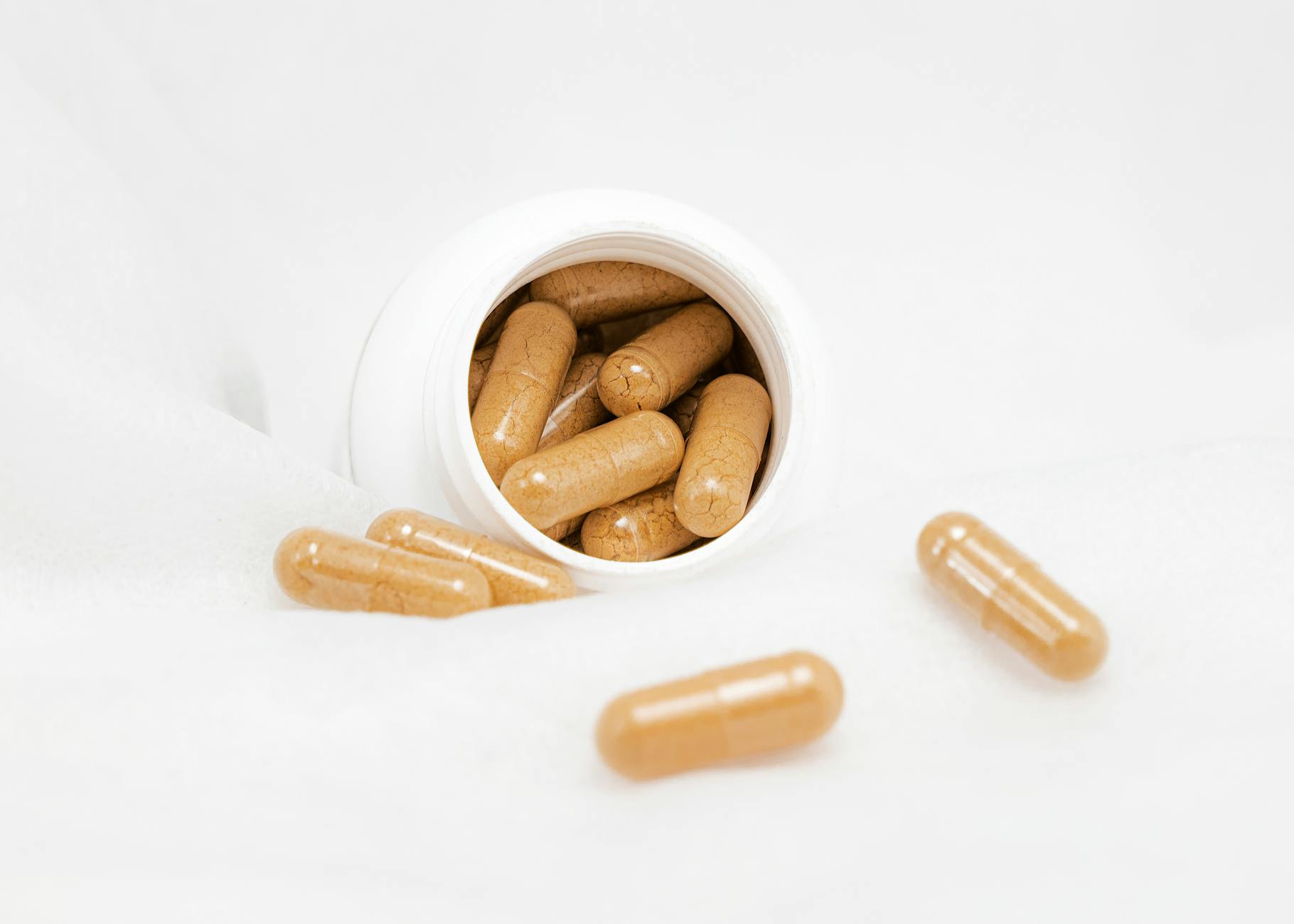
The Problem: Why So Many of Us Are Magnesium-Deficient
Before I get into my experiment, some context. According to the National Institutes of Health (NIH), roughly 50% of Americans consume less magnesium than the estimated average requirement. Modern farming practices have depleted soil mineral content, processed foods strip magnesium during manufacturing, and stress — oh, beautiful chronic stress — actually burns through magnesium reserves faster.
The recommended daily allowance sits at 310–420 mg depending on your age and sex. Most adults get about 250 mg from food alone. That gap matters because magnesium is involved in over 300 enzymatic reactions in your body, including neurotransmitter regulation, muscle relaxation, and — critically — sleep-wake cycle management.
A Cleveland Clinic article published in early 2026 confirmed that magnesium supplementation shows measurable benefits for both stress reduction and sleep quality, particularly in individuals with existing deficiency. Which, statistically, is about half of us.
If you're wondering what sleep deprivation actually costs your health, the data is honestly terrifying — increased cardiovascular risk, impaired glucose metabolism, weakened immune function. I wasn't just tired; I was slowly eroding my health.
Phase 1: Magnesium Glycinate — Days 1 Through 30
I started with 200 mg of magnesium glycinate (that's elemental magnesium, not total capsule weight — a distinction that confused me for an embarrassingly long time) taken 45 minutes before bed on February 1, 2026.
Week 1: Subtle but Real
Nights one through three: nothing dramatic. By night four, I noticed my legs felt less restless. That jittery, can't-get-comfortable feeling I'd accepted as normal? It softened. My sleep tracker showed I fell asleep in 22 minutes instead of my usual 40-55 minute range.
Week 2: Bumped to 400 mg
After consulting Dr. Patel, I increased to 400 mg. The difference was noticeable within two days. I was falling asleep in under 15 minutes. More importantly, I was staying asleep. My deep sleep percentage went from a pathetic 8% to around 18% — still not amazing, but a genuine improvement.
The science backs this up. A 2025 study published in Nature and Science of Sleep found that magnesium glycinate supplementation significantly improved insomnia symptoms in participants over an 8-week period. The researchers attributed this largely to the glycine component, which acts as an inhibitory neurotransmitter that lowers core body temperature and promotes sleep onset.
The Mayo Clinic specifically notes that magnesium glycinate is among the best-absorbed forms, making it a preferred choice for addressing deficiency and sleep complaints.
Weeks 3–4: The Groove
By week three, something clicked. I was sleeping 6.5 to 7 hours consistently — up from 4.5. My morning anxiety (that lovely cortisol spike that makes you catastrophize about your entire life before coffee) had dulled significantly. Sandra told me I looked "less haunted," which I chose to take as a compliment.
Zero GI issues. No grogginess. No weird dreams about tax canoes. Just... better sleep. (I will admit I cried a little the first morning I woke up actually feeling rested. Don't judge me.)
Phase 2: Magnesium Citrate — Days 31 Through 60
On March 3, 2026, I switched to 200 mg of magnesium citrate. Same brand quality, same bedtime routine, same pre-bed reading habit.
Week 1: Promising Start, Unfortunate Middle
The first two nights were fine. Fell asleep reasonably quickly. But by night three, my digestive system entered what I can only describe as "express mode." I woke up at 3:17 AM with an urgent need to visit the bathroom. This happened again on nights four, five, and six.
Magnesium citrate is bound to citric acid, which draws water into the intestines through an osmotic effect. This is why doctors literally prescribe high-dose magnesium citrate as a bowel prep before colonoscopies. At supplemental doses, the laxative effect is milder — but "milder" and "nonexistent" are very different words.
Week 2: Adjusted Down to 150 mg
I dropped to 150 mg hoping to reduce the GI disruption. It helped somewhat — the middle-of-the-night bathroom trips decreased to about twice a week. But my sleep quality data told a clear story: I was waking up more frequently, spending less time in deep sleep, and my overall sleep score averaged 12 points lower than my glycinate month.
Weeks 3–4: Honest Assessment
Citrate wasn't terrible for sleep. It still provided some relaxation benefits — magnesium is magnesium, after all. But the GI side effects created a secondary sleep disruption that partially negated the benefits. I found myself anxious about waking up with stomach urgency, which is a hilariously counterproductive anxiety loop.
That said, during this month I was noticeably more "regular" than I'd ever been. If constipation were my primary issue, citrate would've been a clear winner.
The Comparison: Glycinate vs. Citrate at a Glance
| Form | Best For | Absorption | GI Side Effects | Sleep Rating | Anxiety Rating | Price Range |
|---|---|---|---|---|---|---|
| Magnesium Glycinate | Sleep, anxiety, muscle relaxation | High (chelated form) | Minimal to none | 5/5 | 4/5 | $12–$25/month |
| Magnesium Citrate | Constipation, general supplementation | Moderate-High | Mild to moderate laxative effect | 3/5 | 3/5 | $8–$18/month |
The Science: Why Glycinate Wins for Sleep
The difference comes down to the amino acid glycine. When you take magnesium glycinate, you're getting two sleep-supportive compounds in one capsule:
- Magnesium regulates melatonin production, activates the parasympathetic nervous system, and helps muscles relax.
- Glycine directly activates GABA-A receptors (your brain's primary "calm down" signal), lowers core body temperature to promote sleep onset, and inhibits orexin neurons that keep you awake.
Citrate provides the magnesium benefits but swaps glycine for citric acid — which has zero calming properties and actively stimulates bowel motility. It's not a bad supplement; it's just solving a different problem.
Dosage Guidelines and Who Should Take What
For Sleep and Anxiety: Magnesium Glycinate
- Start with 200 mg elemental magnesium, taken 30–60 minutes before bed
- After one week, increase to 300–400 mg if tolerated
- Pair with science-backed sleep hygiene changes for compounding benefits
- Allow 2–3 weeks for full effects to build
For Constipation: Magnesium Citrate
- 200–400 mg daily, preferably in the morning (not before bed, trust me)
- Start at the lower end and adjust
- Drink plenty of water — the osmotic effect requires adequate hydration
Side Effects: What I Actually Experienced
Magnesium glycinate: Genuinely nothing negative. Mild drowsiness about 30 minutes after taking it, which is... the point. No morning hangover, no brain fog, no dependency feeling when I skipped a night during week three to test.
Magnesium citrate: Loose stools on roughly 60% of days. Two instances of genuine stomach cramping (both during week one at 200 mg). The middle-of-the-night bathroom wakeups that I already complained about. No other issues.
Both forms are generally considered safe for most adults at supplemental doses. However, the NIH notes that people with kidney disease should avoid magnesium supplements entirely, as impaired kidneys cannot excrete excess magnesium efficiently. This can lead to hypermagnesemia — a condition you absolutely do not want.
When to Talk to Your Doctor
I want to be blunt here because this matters. You should consult a healthcare provider before starting magnesium if you:
- Take any prescription medications (magnesium interacts with antibiotics, bisphosphonates, diuretics, and proton pump inhibitors)
- Have kidney disease or impaired kidney function
- Are pregnant or breastfeeding
- Experience heart palpitations or irregular heartbeat
- Plan to take more than 400 mg daily
Dr. Patel put it simply: "Magnesium is one of the safest supplements out there for most people. But 'most people' is doing a lot of heavy lifting in that sentence. Get your levels checked. A simple serum magnesium blood test costs almost nothing and removes the guesswork."
My Final Verdict After 60 Days
I'm back on magnesium glycinate permanently. I take 400 mg every night at 9:30 PM, I'm asleep by 10:15 most nights, and I consistently log 6.5–7.5 hours. Is it perfect? No. I still have bad nights — I'm human and occasionally my brain decides 3 AM is the ideal time to remember something embarrassing I said in 2014.
But the baseline has shifted dramatically. My average sleep score went from 58 to 79. My morning anxiety decreased enough that my therapist noticed. Sandra recently told me I look "almost alive," and honestly, I'll take it.
If you're struggling with sleep and haven't tried magnesium glycinate, it might be worth discussing with your doctor. It's not magic — but after months of fighting my own brain every night, something that actually works feels pretty close.
Sources:
- National Institutes of Health — Office of Dietary Supplements: Magnesium Fact Sheet for Health Professionals
- Mayo Clinic: Magnesium Supplement (Oral Route)
- Cleveland Clinic (2026): Magnesium Benefits for Stress and Sleep
- Nature and Science of Sleep (2025): Magnesium Glycinate Supplementation and Insomnia Outcomes
Found this helpful?
Subscribe to our newsletter for more in-depth reviews and comparisons delivered to your inbox.
Related Articles