The Retinol Sandwich Went Viral on TikTok — Here Is What Dermatologists Actually Think About Layering Your Actives
My sister sent me a TikTok at 11:47 PM on a Thursday. Not unusual — she sends me approximately 340 TikToks a week, and about 330 of them are either cat videos or skincare routines. But this one came with a voice message that said, and I quote: "I just put moisturizer, then retinol, then more moisturizer on my face and it is called a retinol sandwich and I think I might be a genius."
She is not a genius. But she is accidentally onto something that dermatologists have been debating — sometimes heatedly — for the past two years.
The "retinol sandwich" technique has accumulated over 890 million views on TikTok as of early 2026. The premise is simple: instead of applying retinol directly to clean skin (which can cause irritation, peeling, and the dreaded "retinol purge"), you sandwich it between two layers of moisturizer. Moisturizer first, retinol on top, more moisturizer to seal it in. The theory is that buffering the retinol reduces irritation without significantly reducing efficacy.
Disclaimer: This article is for informational purposes only and does not constitute medical advice. Skincare responses vary significantly between individuals. Always consult with a board-certified dermatologist before starting or changing a retinol regimen, especially if you have sensitive skin, rosacea, eczema, or are pregnant or breastfeeding.
The Science Behind the Sandwich — Does It Actually Work?
The short answer is: probably yes, but not for the reasons TikTok thinks.
A 2023 study published in the Journal of Clinical and Aesthetic Dermatology found that applying a moisturizer before retinol reduced transepidermal water loss (TEWL) by 34% compared to applying retinol to bare skin. More importantly, patient-reported irritation scores dropped by 48% over a 12-week period, while anti-aging outcomes (wrinkle depth, hyperpigmentation, skin texture) showed no statistically significant difference between the buffered and unbuffered groups.
"The moisturizer creates an occlusive barrier that slows the rate of retinoid absorption," explained Dr. Rachel Chen, a board-certified dermatologist at Northwestern Memorial Hospital, in a 2025 interview with the American Academy of Dermatology (AAD). "You are still getting the same amount of active ingredient into the skin — it just takes longer to penetrate, which means less acute irritation."
But here is the part nobody on TikTok mentions: the type of moisturizer matters enormously.
Not All Moisturizers Are Created Equal
A 2024 study in the British Journal of Dermatology tested the retinol sandwich technique with three different moisturizer types:
- Hyaluronic acid-based (humectant): Reduced irritation by 29%, did not significantly affect retinol penetration
- Ceramide-based (barrier repair): Reduced irritation by 52%, slightly delayed but did not reduce total retinol absorption
- Petroleum-based (occlusive): Reduced irritation by 71%, but also reduced retinol penetration by 40%
Translation: if you are sandwiching your retinol between two layers of Vaseline, you are basically paying for expensive moisturizer. The retinol is not getting through. Ceramide-based moisturizers — products like CeraVe Moisturizing Cream, La Roche-Posay Toleriane, or Stratia Liquid Gold — hit the sweet spot of reducing irritation while still letting the retinol do its job.
I told my sister this. She had been using a petroleum jelly-based product. She was not thrilled.
Speaking of hidden dangers in everyday products, a landmark study found hormone-disrupting chemicals in every single headphone tested — another reminder to scrutinize what touches your body daily.
The Retinol Concentration Problem Nobody Talks About
Here is something that drives dermatologists absolutely bonkers about the TikTok retinol discourse: concentration matters more than application method, and almost nobody discusses it.
Over-the-counter retinol products range from 0.01% to 1.0%. Prescription retinoids like tretinoin typically come in 0.025%, 0.05%, and 0.1% concentrations. The difference in irritation potential between 0.25% retinol and 0.5% retinol is massive — far more significant than whether you sandwich it or not.
"I have patients come in with severe irritant contact dermatitis because they jumped straight to a 1% retinol after seeing a TikTok," said Dr. Fanny Engriana, a dermatologist in private practice in Dallas. "The sandwich would not have saved them. Starting at an appropriate concentration would have."
The AAD recommends starting with a low concentration (0.25% or lower) and gradually increasing over 8 to 12 weeks. The retinol sandwich can be a helpful training wheel during this adjustment period, but it is not a substitute for proper dose escalation.
The Active Ingredient Mixing Problem
The other thing going viral alongside the retinol sandwich is "skincare stacking" — layering multiple active ingredients in one routine. Retinol plus vitamin C plus niacinamide plus AHA plus peptides, all in one evening routine. My sister's bathroom counter looks like a chemistry lab. I counted 14 products last time I visited.
What You Should NOT Layer With Retinol
According to the National Institutes of Health (NIH) and multiple dermatological consensus guidelines:
- AHAs/BHAs (glycolic acid, salicylic acid): Using these in the same routine as retinol dramatically increases irritation risk. The pH difference alone can destabilize the retinol molecule. Use them on alternating nights.
- Benzoyl peroxide: Directly oxidizes and inactivates retinol. They should never touch each other. If you use both, apply benzoyl peroxide in the morning and retinol at night.
- Vitamin C (L-ascorbic acid) at low pH: The combination is not dangerous, but the low pH environment of most vitamin C serums can increase retinol irritation. Use vitamin C in the morning and retinol at night for optimal results.
What Is Actually Safe to Layer
- Niacinamide: Actively reduces retinol irritation. A 2019 study in the Journal of Cosmetic Dermatology found that niacinamide at 4% concentration reduced retinol-associated redness by 37%. This is actually the ideal sandwich filling.
- Hyaluronic acid: Hydrates without interfering with retinol activity. Safe to use before retinol as part of the sandwich.
- Peptides: Generally safe, though some copper peptides can interact with retinol. Stick to signal peptides like Matrixyl.
Before you log your skincare routine in an app, consider that your health app might be selling your data for a penny — a real concern when tracking sensitive health information.
The SPF Factor — The Part TikTok Always Skips
Retinol makes your skin more photosensitive. This is not debatable. A 2020 meta-analysis in Photodermatology, Photoimmunology & Photomedicine found that retinol users had a 42% higher risk of sunburn compared to non-users when exposed to the same UV dose.
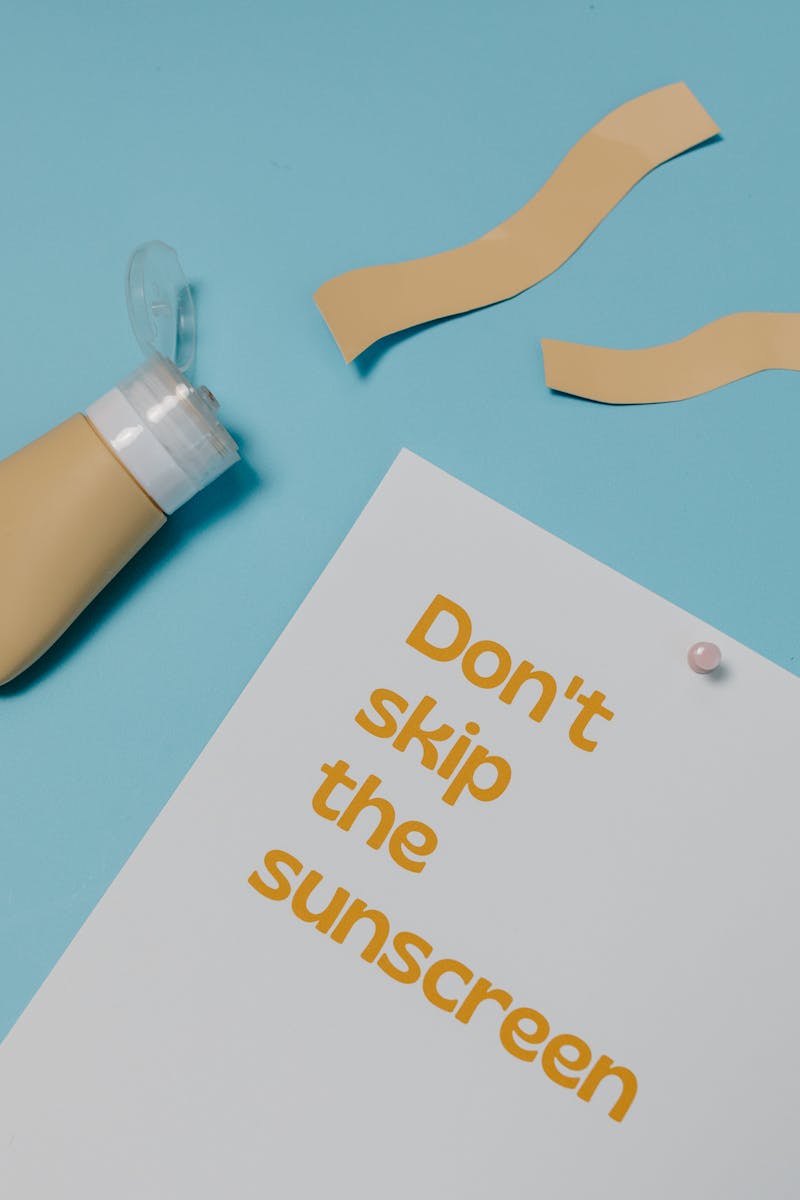
If you are doing the retinol sandwich at night (which you should be — retinol degrades in sunlight) but skipping SPF in the morning, you are undermining everything. The Skin Cancer Foundation recommends SPF 30 or higher for daily use, reapplied every two hours when outdoors. For retinol users, many dermatologists recommend SPF 50.
"I tell my retinol patients that sunscreen is not optional — it is the other half of the treatment," said Dr. Chen. "The retinol increases cell turnover, bringing fresh, vulnerable skin to the surface. Without SPF, you are essentially creating new skin just to damage it."
If you are tempted to ask ChatGPT about your skincare routine instead of a dermatologist, know that AI usage among doctors has doubled — but that does not mean AI can replace professional medical advice.
So Should You Do the Retinol Sandwich?
Honestly? Yes, with caveats.
If you are new to retinol, the sandwich method is a legitimate way to reduce initial irritation while your skin adjusts. The science supports it. Dermatologists cautiously recommend it. It is one of the rare cases where TikTok skincare advice is actually backed by clinical evidence.
But the sandwich alone is not a magic fix. You still need to:
- Start with a low concentration (0.25% or less)
- Use a ceramide-based moisturizer, not petroleum-based
- Apply at night only
- Wear SPF 30+ every single morning
- Avoid mixing with AHAs, BHAs, or benzoyl peroxide
- Increase frequency gradually (2x/week → 3x/week → nightly over 8-12 weeks)
My sister switched to CeraVe, dropped from 1% to 0.3% retinol, and is now sandwiching three nights a week. She says her skin has never looked better. She also finally started wearing sunscreen, which I suspect is doing most of the heavy lifting. But I let her have this one.
Disclaimer: Individual skin responses to retinol vary widely based on skin type, existing conditions, medications, and other factors. The studies cited in this article represent general findings and may not apply to your specific situation. Do not start, stop, or modify any skincare treatment without consulting a board-certified dermatologist, particularly if you are pregnant, nursing, or taking photosensitizing medications.
Sources: American Academy of Dermatology (AAD), National Institutes of Health (NIH), Skin Cancer Foundation, Journal of Clinical and Aesthetic Dermatology 2023, British Journal of Dermatology 2024, Journal of Cosmetic Dermatology 2019
Running a health or wellness business online? Wardigi builds fast, trustworthy websites that meet YMYL standards — so your content reaches the people who need it.
Related: Your skincare routine is not the only hidden risk — every headphone tested contains hormone-disrupting chemicals. Also learn what you probably got wrong about vitamins and 6 exercises that fixed one writer's posture in 8 weeks.
Related: Your skincare routine is not the only hidden risk — every headphone tested contains hormone-disrupting chemicals. Also learn what you probably got wrong about vitamins and 6 exercises that fixed one writer's posture in 8 weeks.
Found this helpful?
Subscribe to our newsletter for more in-depth reviews and comparisons delivered to your inbox.
Related Articles