Qatar Just Shut Down 30 Percent of the World's Helium Supply — And Your Next MRI Scan Could Be the Casualty
My neighbor Karen — a radiology tech at a regional hospital outside Portland — texted me last weekend with something that had nothing to do with neighborhood gossip for once. "We just got a memo about helium rationing. They're saying we might have to limit MRI appointments starting next month."
I thought she was exaggerating. She wasn't.
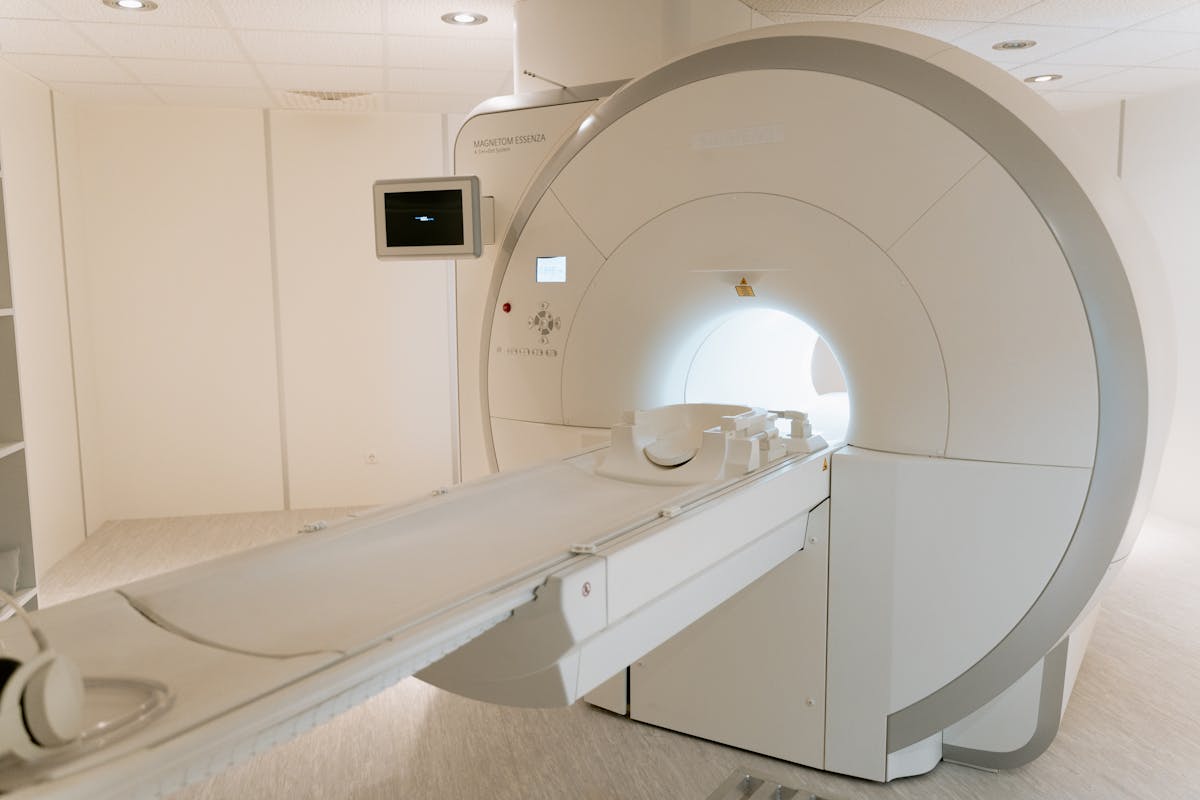
Qatar, which supplies roughly 30% of the world's helium, has shut down production at its major facility. The semiconductor industry is scrambling — SK hynix has already announced diversification plans — but there's a quieter crisis brewing in hospitals, clinics, and diagnostic centers that most people haven't heard about yet. Because helium isn't just for party balloons and funny voices. It's the reason your MRI machine works at all.
Why MRI Machines Need Helium (More Than You Think)
Here's the part that surprised even me. MRI machines use superconducting magnets that need to be cooled to approximately -269°C (about 4 degrees above absolute zero). The only practical way to achieve that temperature is with liquid helium. A typical MRI machine contains between 1,500 and 2,000 liters of the stuff, and while modern machines are better at recycling it, they still need regular top-ups.
Dr. Patel, a diagnostic radiologist I spoke with at a teaching hospital in Chicago, explained it in terms I could actually understand: "Think of helium as the blood supply of an MRI machine. Without it, the magnet warms up, loses superconductivity, and the machine becomes a very expensive piece of modern art. We call that a quench event, and it costs $30,000 to $100,000 to recover from."
A quench event. Even the terminology sounds like something you'd rather not experience.
The Qatar Shutdown — What Happened
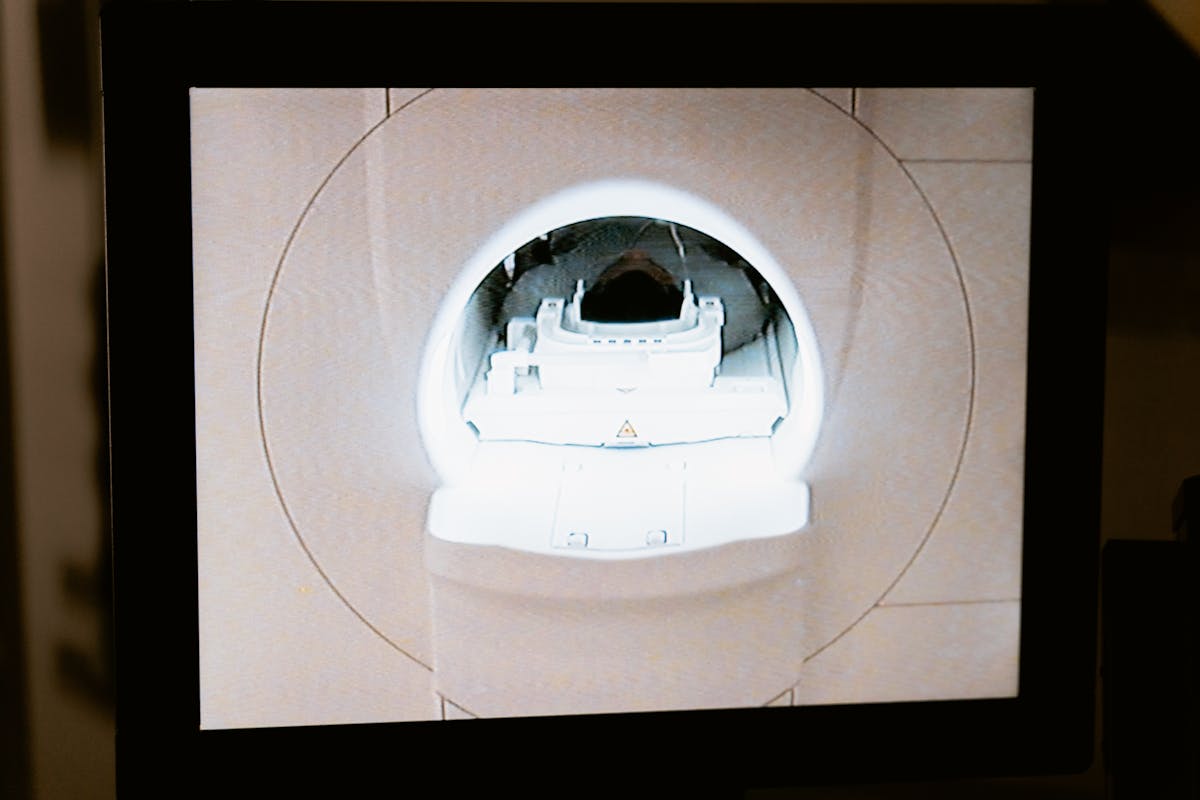
Qatar's Ras Laffan facility — operated by QatarEnergy — is one of the largest helium production sites in the world. The shutdown, which began in early March 2026, removed approximately 30% of global supply from the market virtually overnight. The stated reason involves maintenance and infrastructure upgrades, but the timing has caught downstream industries off guard.
Tom, a medical equipment procurement specialist at a hospital network in the Midwest, told me the impact was nearly immediate. "We have contracts with helium suppliers that were supposed to carry us through Q2. Our supplier called us on March 6th and said they could only fulfill 60% of our order. When I asked what happens if we can't get the rest, there was a long pause before they said 'we're working on it.'"
That long pause is now echoing through hospitals across the country.
The Two-Week Clock That Should Worry Everyone
According to reporting from Tom's Hardware, the semiconductor industry — which also depends on helium for chip fabrication — is operating on approximately a two-week buffer. Medical facilities typically maintain similar reserves, though some smaller clinics have even less.
Sandra, a hospital administrator at a 400-bed facility in Ohio, shared numbers that paint a worrying picture. "We perform about 45 MRI scans per day. Each scan contributes roughly $2,800 in revenue. If we have to reduce capacity by even 30% because of helium shortages, that's $37,800 per day in lost revenue — and more importantly, those are 14 patients per day who don't get the diagnostic imaging they need."
The revenue loss is significant, but the patient impact is what keeps Sandra up at night. MRI scans aren't elective luxuries. They diagnose strokes, detect tumors, evaluate spinal injuries, and monitor chronic conditions. Delaying an MRI can mean delaying a diagnosis, which can mean delaying treatment, which can mean outcomes that no spreadsheet captures.
Who Is Most Vulnerable
Large academic medical centers will likely weather this better than smaller facilities. They have bigger helium reserves, longer-term contracts, and the purchasing power to compete when supply is tight. The facilities most at risk are:
Rural hospitals and clinics. Many operate a single MRI machine with minimal helium reserves. If their supplier can't deliver, they have no backup.
Outpatient imaging centers. These independent facilities often operate on thin margins and rely on just-in-time helium delivery. Rachel, who manages a three-location imaging network in Tennessee, told me she's already rescheduling non-urgent scans to conserve helium. "I'm making triage decisions about diagnostic imaging based on gas supply. That's not in any healthcare management textbook."
Veterinary MRI facilities. Yes, animals get MRIs too — particularly for neurological conditions in dogs and horses. These facilities are lowest priority in the helium supply chain and will likely be first to feel the pinch.
What Patients Should Know
If you have an MRI scheduled in the next few weeks, don't panic — but don't assume everything is business as usual either. Here's practical guidance:
Keep your appointment. Don't cancel preemptively. Your facility may have adequate reserves, and canceling could push you further back in the queue if delays do materialize.
Ask about wait times. If your appointment gets rescheduled, ask specifically whether it's related to helium supply. Knowing the reason helps you advocate for yourself.
Understand alternatives. Not every scan requires an MRI. CT scans, ultrasounds, and X-rays don't use helium. Your doctor may be able to substitute depending on the clinical question. (Though Dr. Patel was quick to note: "There is no substitute for MRI in many neurological and soft-tissue evaluations. Period.")
Document delays. If your MRI is delayed and you believe it's affecting your care, document the dates and communicate with your physician. This creates a record that can be important for insurance disputes or continuity of care.
The Longer-Term Picture
The helium problem isn't new — this is actually the fourth major helium shortage since 2006. But each shortage has been worse than the last, and the dependency on a handful of production facilities (Qatar, the US Bureau of Land Management, Algeria, and Russia) makes the supply chain inherently fragile.
Newer MRI machines from Siemens and Philips are designed to use significantly less helium — some models operate with as little as 7 liters compared to the 1,500+ liters in older machines. But replacing a hospital's MRI fleet is a multi-million dollar decision that takes years to implement. (Derek, a medical device sales rep I know, laughed when I asked about the upgrade timeline: "I have hospitals running 15-year-old MRI machines because a new one costs $3 million. They're not upgrading because of a helium memo.")
The gap between where the technology is heading and where most hospitals currently are is measured in years and millions of dollars. In the meantime, patients and providers are navigating a supply chain that was never designed to handle a 30% supply shock.
Karen texted me again yesterday. "They just canceled two MRI slots tomorrow. First time that's ever happened here." She didn't add a commentary. She didn't need to.
Important Disclaimer: This article is for informational purposes only and does not constitute medical advice. Always consult your healthcare provider about diagnostic imaging decisions. If you are experiencing a medical emergency, call 911 or your local emergency number immediately. Sources include the National Institutes of Health (NIH), American College of Radiology (ACR), U.S. Bureau of Land Management helium program data, World Health Organization (WHO) medical device guidelines, and reporting from Tom's Hardware and industry analysts.
Found this helpful?
Subscribe to our newsletter for more in-depth reviews and comparisons delivered to your inbox.
Related Articles