I have a confession: until about four months ago, my idea of "meal prep" was buying a rotisserie chicken from Costco and eating it over three days with whatever sauce was in the fridge. Ranch on Monday. Sriracha on Tuesday. Both on Wednesday because at that point, who cares.
Then I interviewed a registered dietitian named Dr. Keiko Tanaka for another article, and she said something that stuck: "The biggest nutrition mistake is not eating badly. It is eating randomly. Your body cannot build anything useful from chaos."
That conversation turned into a challenge: could I actually meal prep for a full month? Not the Instagram-perfect kind with color-coded containers and overnight oats that look like they belong in a museum. Real meal prep. For someone who would rather chew glass than spend four hours in a kitchen on Sunday.
Week 1: The Catastrophic Overcommitment
I made every rookie mistake possible.
I found a meal prep plan online that promised "21 meals in 2 hours." It required 47 ingredients. I spent $186 at the grocery store (my normal weekly food budget is about $80). I bought meal prep containers — 28 of them, because apparently I thought I was feeding a football team.
Sunday afternoon, I started cooking. Two hours? Try four and a half. By the time I finished, my kitchen looked like a crime scene, I had burned the quinoa (how do you burn quinoa? You walk away to watch one YouTube video, that is how), and I was so exhausted from the prep that I ordered pizza for dinner.
Total meals actually eaten from that batch: 11 out of 21. The rest went bad because I overestimated how much chicken and rice a human being can eat before wanting to cry.
Week 2: The Course Correction
I called Dr. Tanaka. She laughed at me. Then she gave me advice that changed everything:
"Prep ingredients, not meals. Cook three proteins, two grains, and three vegetables. Mix and match during the week. It takes 90 minutes, not four hours, and you do not get bored because every plate is different."
Game changer. That Sunday I made:
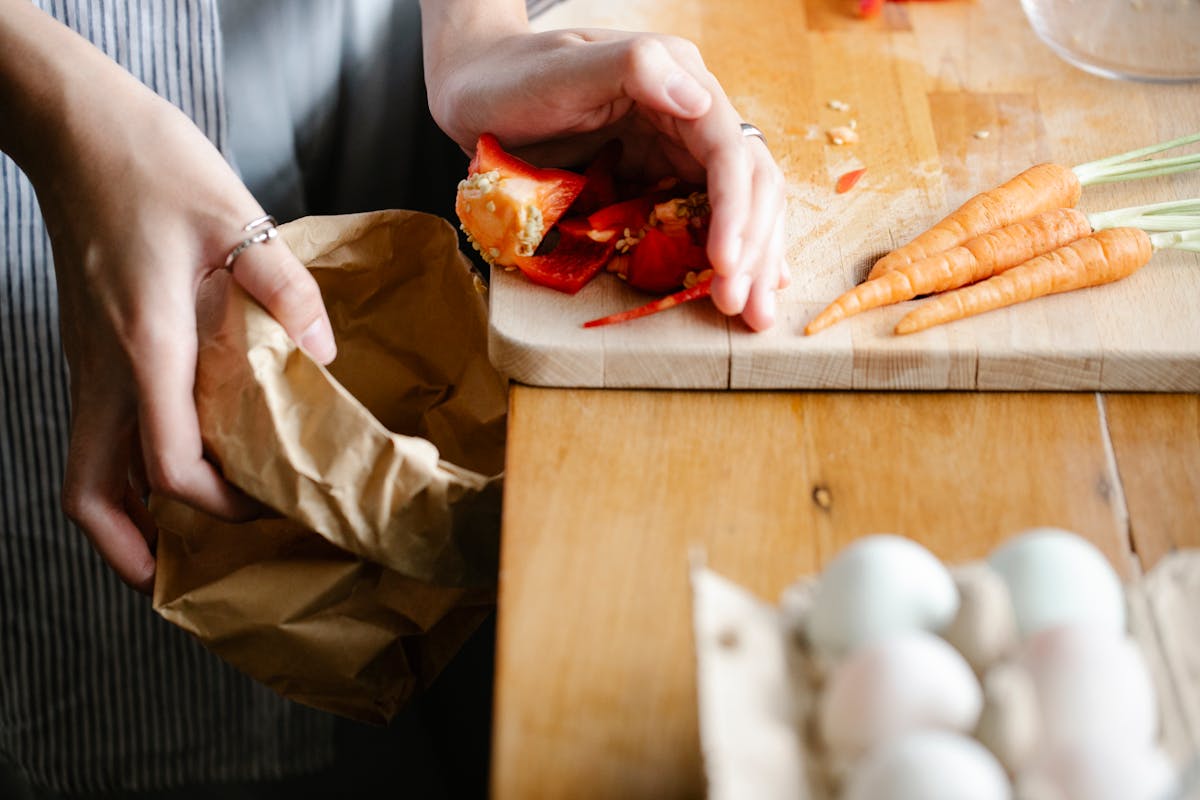
- Proteins: Baked chicken thighs (seasoned with just salt, pepper, garlic), ground turkey with taco seasoning, hard-boiled eggs
- Grains: Brown rice, whole wheat pasta
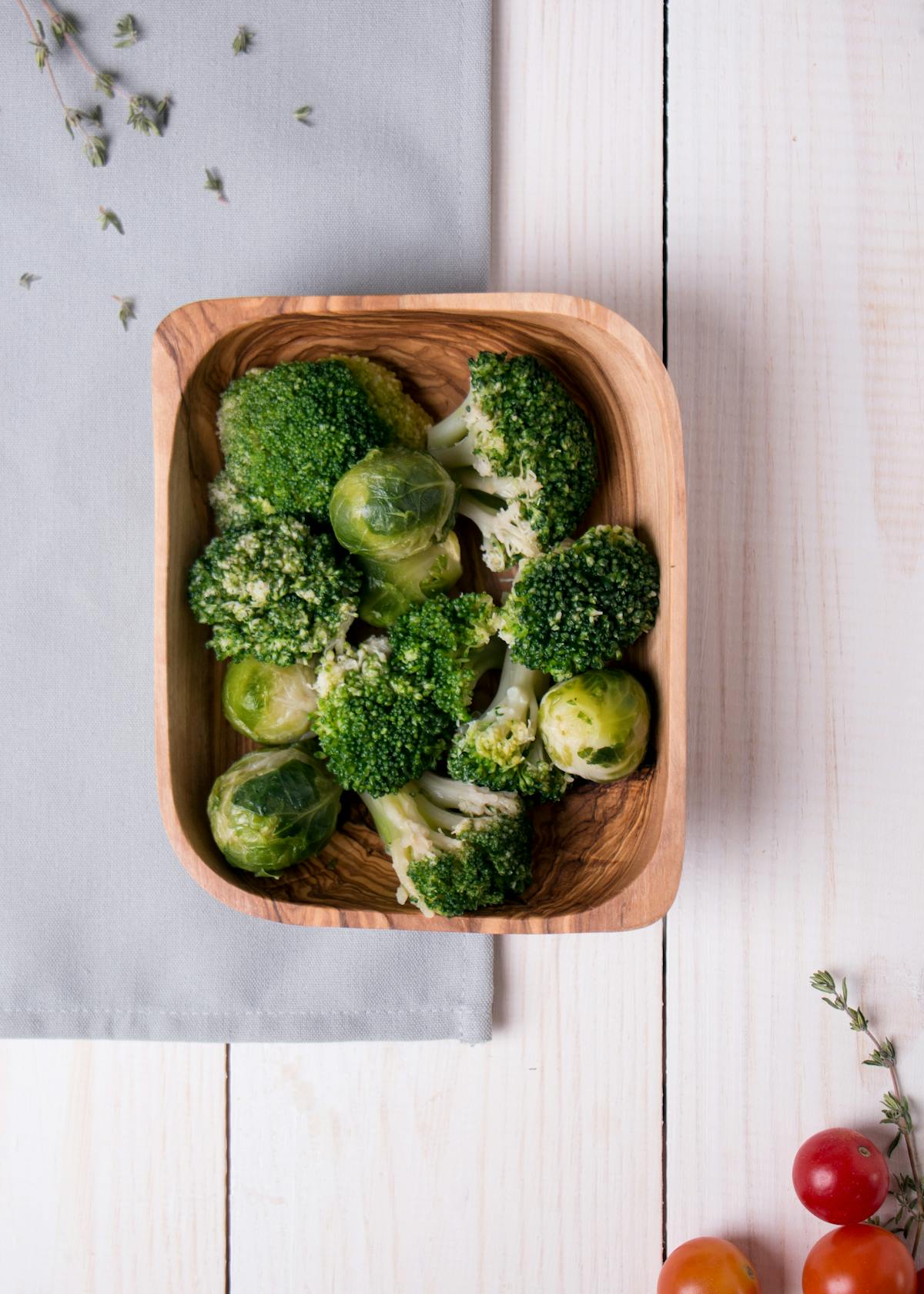
- Vegetables: Roasted broccoli, sauteed bell peppers, raw spinach (for salads)
Time: 1 hour 20 minutes. Cost: $62. And suddenly I had mix-and-match options for the entire week. Tuesday lunch was chicken + rice + broccoli. Wednesday was turkey + pasta + peppers. Thursday was an egg + spinach + rice bowl with hot sauce.
Not one meal was the same. I ate all of it.
Week 3: Finding the Rhythm
By week three, something clicked. I stopped dreading Sunday prep. It became almost... meditative? (My girlfriend says I am being dramatic. Maybe. But there is something genuinely satisfying about having your entire week of food sorted in 80 minutes.)
I added a few upgrades based on what Dr. Tanaka suggested:
- Sauces in small containers — teriyaki, chimichurri, tahini. Different sauce = different meal, even with the same base ingredients
- One "treat" prep item — energy balls, homemade granola bars, or banana muffins. Something to grab instead of vending machine garbage at 3 PM
- Pre-washed and chopped salad greens — the $4 bag of pre-washed spinach is worth every penny because it removes the one step that made me skip salads entirely
Week 4: The Results (With Actual Numbers)
After 30 days, here is what changed:
| Metric | Before Meal Prep | After 30 Days |
|---|---|---|
| Weekly food spend | $80-110 (groceries + takeout) | $55-65 (groceries only) |
| Takeout orders/week | 4-5 | 1 (Friday treat) |
| Time cooking/week | ~3 hrs (scattered) | ~1.5 hrs (one batch) |
| Meals skipped/week | 3-4 (usually lunch) | 0-1 |
| Energy levels (1-10) | 5-6 | 7-8 |
| Weight change | — | -4 lbs (not intentional) |
The weight loss surprised me. I was not trying to lose weight. But when you stop eating random takeout and actually eat balanced meals consistently, your body just... adjusts. Dr. Tanaka was not surprised: "Consistency matters more than perfection. A boring-but-balanced week beats an erratic week of superfoods and skipped meals every time."
The 5 Rules That Actually Stuck
After a month of trial and error, here is my minimal-effort meal prep system:
- Prep ingredients, not complete meals. Cook 3 proteins, 2 grains, 3 vegetables. Mix during the week.
- Sauces are everything. Same chicken + rice tastes completely different with teriyaki vs chimichurri vs hot sauce. Keep 4-5 sauces on rotation.
- Cap your prep at 90 minutes. If it takes longer, you are making it too complicated and you will quit by week 3.
- Always make one snack item. Energy balls take 10 minutes and save you $15/week in vending machine shame.
- Friday is takeout night. No guilt. Sustainability means not being a monk about it.
Who Should NOT Meal Prep
Honestly? If you genuinely enjoy cooking every day and it does not stress you out, skip meal prep. It is a tool for people who either hate cooking, are too busy, or keep defaulting to bad options because they are tired at 7 PM. If that is not you, keep doing what works.
Also, if you have a history of disordered eating, rigid meal structures can sometimes trigger unhealthy patterns. Talk to a healthcare provider before making major changes to how you relate to food. This is important and I am not qualified to navigate that with you.
Disclaimer: This article shares one person’s experience and general nutrition information. It is not medical or dietary advice. Consult a registered dietitian or healthcare provider before making significant dietary changes. Sources: Academy of Nutrition and Dietetics (eatright.org), USDA Dietary Guidelines for Americans 2020-2025, American Journal of Preventive Medicine meal frequency studies.